
Conservation Materials and Specialist Systems
At Stoneline Heritage Restoration, material selection is guided by the needs of the building rather than by a standard product list.
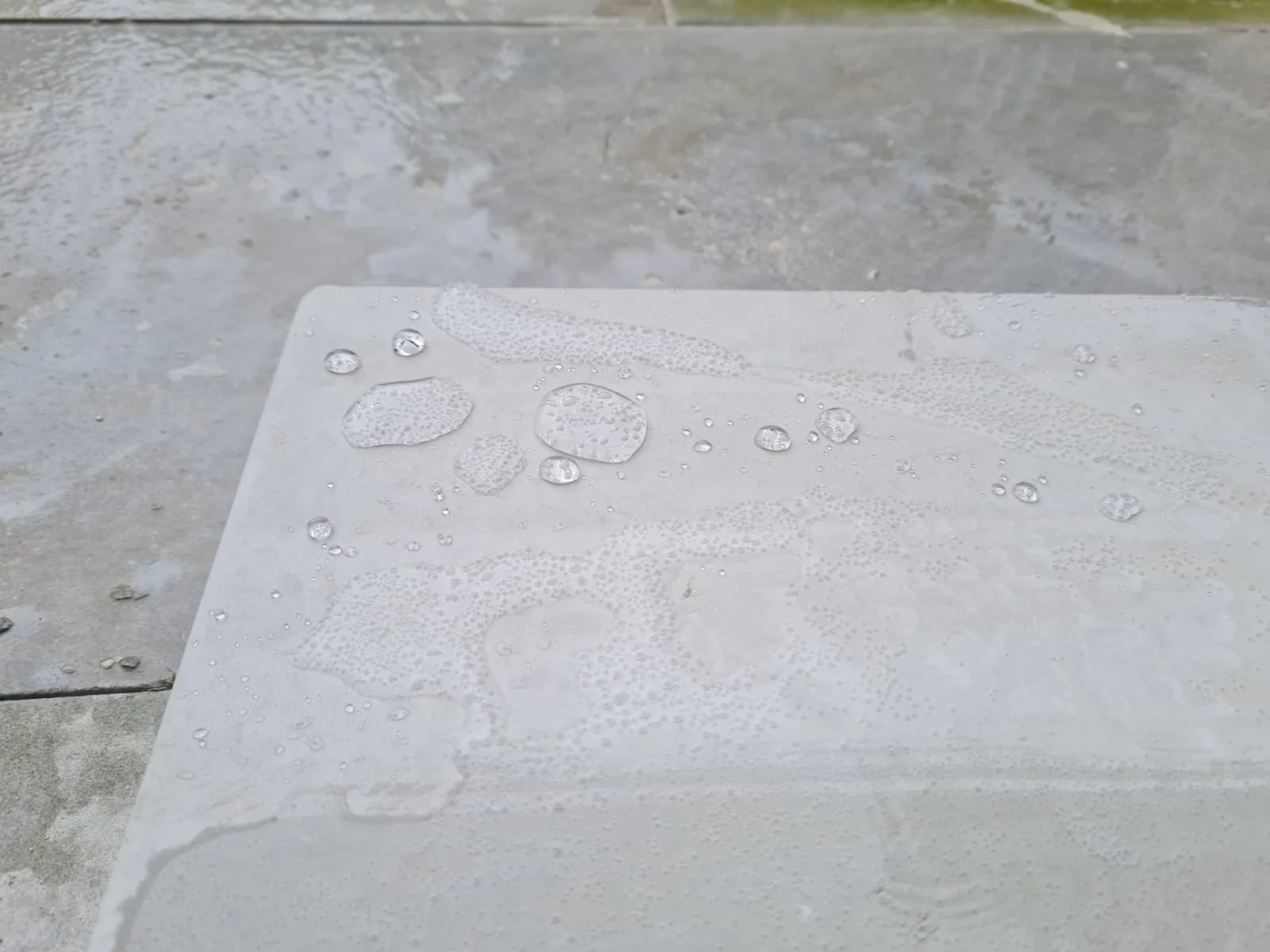
We combine traditional lime-based materials and established restoration techniques with proven European conservation systems selected for heritage and older buildings. Our material selection is supported by specialist product knowledge, supplier guidance and proven European conservation systems suited to stone, masonry, timber, façade protection and heritage repair works.
This allows us to select materials based on substrate condition, moisture behaviour, salt contamination, exposure and long-term compatibility with the original building fabric.
Our approach is not to apply a one-size-fits-all system, but to assess each project individually and select materials that are compatible, breathable and suited to long-term preservation.
Assessment Before Treatment
Successful restoration begins with understanding the building.
Before recommending a material or repair method, we assess the condition of the substrate, the cause of deterioration, previous repairs, moisture movement, salt contamination and environmental exposure.
Where required, sample areas may be prepared to test cleaning methods, mortar colour, surface finish, absorption behaviour, consolidation treatments or protective systems before broader works are undertaken.
This assessment-led approach helps ensure that repairs are not only visually sympathetic, but also physically compatible with the original construction.
Careful Cleaning & Surface Preparation
Cleaning is often one of the first stages of restoration, but it must be carried out with care. Dirt, pollution, biological growth, soot, old coatings and surface deposits can trap moisture and contribute to deterioration. At the same time, aggressive cleaning can permanently damage historic stone, brick, plaster and decorative surfaces.
Depending on the substrate and type of contamination, we may use specialist chemical cleaners, poultices, biological growth treatments, graffiti removal systems, low-impact mechanical methods or waterless peel-off cleaning systems.
The objective is not to make historic surfaces look artificially new, but to remove harmful or visually disruptive deposits while preserving the character, texture and integrity of the original material.
Waterless Peel-Off Cleaning Systems
For delicate interiors, decorative surfaces, sandstone, stucco, brick, plaster and other sensitive substrates, waterless peel-off cleaning systems may be used where appropriate.
These systems are applied as a paste and removed once cured, lifting soot, dust and surface contamination with minimal water use. This can be particularly useful where moisture, runoff, dust or aggressive mechanical cleaning would create unnecessary risk.
Waterless cleaning methods are selected carefully and tested first where required, especially on fragile, decorative or heritage-significant surfaces.
Desalination & Salt Reduction
Salt contamination is one of the most common causes of deterioration in historic masonry. As moisture moves through stone, brick, mortar or render, soluble salts can crystallise within the pores of the material, leading to surface loss, crumbling mortar, plaster failure and ongoing decay.
Where appropriate, desalination compresses or poultices may be used to reduce harmful salt concentrations in porous building materials. These treatments are temporary, non-destructive and reversible, making them suitable for sensitive conservation work.
Desalination is often used alongside moisture management, breathable repair systems and compatible mortars to reduce the risk of future deterioration.
Stone Consolidation & Strengthening
Natural stone can lose strength over time through weathering, salt attack, moisture ingress, pollution and previous incompatible repairs.
Where original stone remains significant but weakened, consolidation may be used to stabilise the material and help extend its service life. This may include European stone strengthening systems or other compatible conservation materials selected according to the stone type, porosity, weathering profile and condition.
The aim is to preserve as much original stone as possible, rather than replacing historic fabric unnecessarily.
For more complex deterioration, specialist consolidation systems may also support microcrack filling, surface stabilisation, backfilling and localised repair where suitable.
Lime Mortars, Grouts & Compatible Repairs
Historic buildings require repair materials that work with the original construction.
Dense cement-based materials can trap moisture, restrict natural movement and place stress on softer masonry. In many heritage buildings, lime-based and mineral repair systems are more appropriate because they allow the building fabric to breathe and move naturally.
We use compatible mortars, grouts and mineral repair systems for repointing, stone repair, brick repair, rendering, plastering, cavity filling and selected consolidation works.
Where required, repair materials can be matched to the existing substrate in terms of strength, porosity, permeability, colour and texture.
Stone Replacement & Re-Profiling
Where original stone has deteriorated beyond conservation, carefully considered replacement or re-profiling may be required.
This may include localised stone indent repairs, mineral restoration mortars, profile repair or reproduction of damaged decorative elements. Replacement is only considered where conservation alone is not sufficient.
The objective is to preserve the architectural character and structural performance of the building while avoiding unnecessary loss of original material.
Historic Renders, Limewash & Mineral Finishes
Traditional renders, limewash and mineral finishes play an important role in both the appearance and performance of historic buildings.
We undertake lime rendering, limewash, mineral coatings and breathable finish systems selected to remain compatible with the existing building fabric. These finishes help maintain traditional character while supporting vapour permeability and natural moisture movement.
Where appropriate, traditional materials may be combined with modern European conservation systems to achieve a durable and sympathetic result.
Hydrophobisation & Breathable Protection
Protective treatments may be used where appropriate to reduce water ingress and improve the durability of vulnerable masonry, stone, render and façade surfaces.
We use breathable water-repellent systems, including silane and siloxane-based treatments, where suitable for the substrate and exposure conditions. These systems are selected to reduce liquid water absorption while allowing water vapour to escape naturally from the building fabric.
This is particularly important for heritage and older buildings, where trapped moisture can contribute to salt movement, decay and further deterioration.
Biological Growth, Graffiti & Paint Removal
Biological growth, graffiti, paint layers and previous surface coatings can affect both the appearance and performance of masonry, stone and rendered surfaces.
We use specialist removal systems selected according to the substrate, coating type and level of contamination. This may include biological growth treatment, graffiti removal, paint stripping, peel-off cleaning systems and carefully controlled cleaning methods.
Particular care is taken where historic surfaces, decorative finishes or soft stone are involved.
Timber Repair & Protection
Where timber elements form part of a heritage or older building, repair and protection methods must be selected carefully.
Our approach focuses on retaining sound original timber wherever practical, stabilising affected elements and carrying out like-for-like repairs where replacement is necessary.
Protective coatings, timber treatment systems and compatible repair materials may be used where appropriate to improve durability while maintaining the appearance and performance of the timber.
Concrete, Waterproofing & Structural Protection
Some heritage and older-building projects also require concrete remediation, structural protection or waterproofing works, particularly where water ingress, corrosion, cracking or long-term exposure have affected the building fabric.
Where appropriate, we may use mineral waterproofing systems, repair mortars, injection systems or protective coatings selected for the specific substrate and exposure conditions.
These methods are considered carefully so they do not conflict with the moisture behaviour of surrounding historic masonry, stone, render or timber elements.
Our material selection is guided by four principles.
By combining traditional craftsmanship, European conservation knowledge and specialist modern materials, Stoneline Heritage Restoration delivers restoration works that respect the character, structure and history of each building.
Discuss a materials specification with us.
Architects, consultants and builders — we're happy to walk through compatible mortar mixes, cleaning trials and repair options for your project.