
Brick Repairs & Repointing in Sydney
We provide brick repairs, mortar replacement, repointing and tuckpointing for heritage and older buildings across Sydney. We assess deteriorated joints and damaged brickwork, then select compatible mortars and repair methods to preserve the building’s appearance and character.
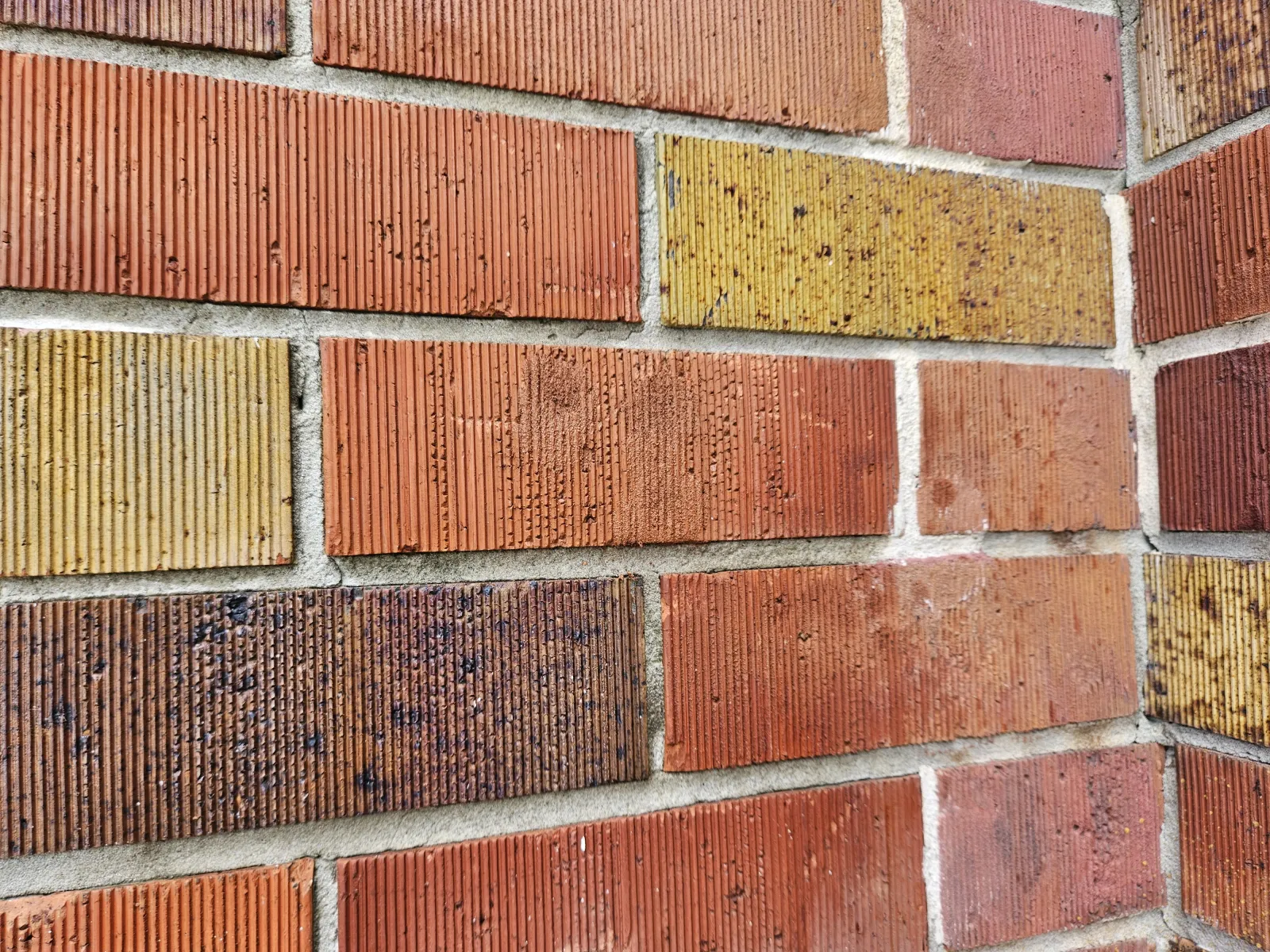
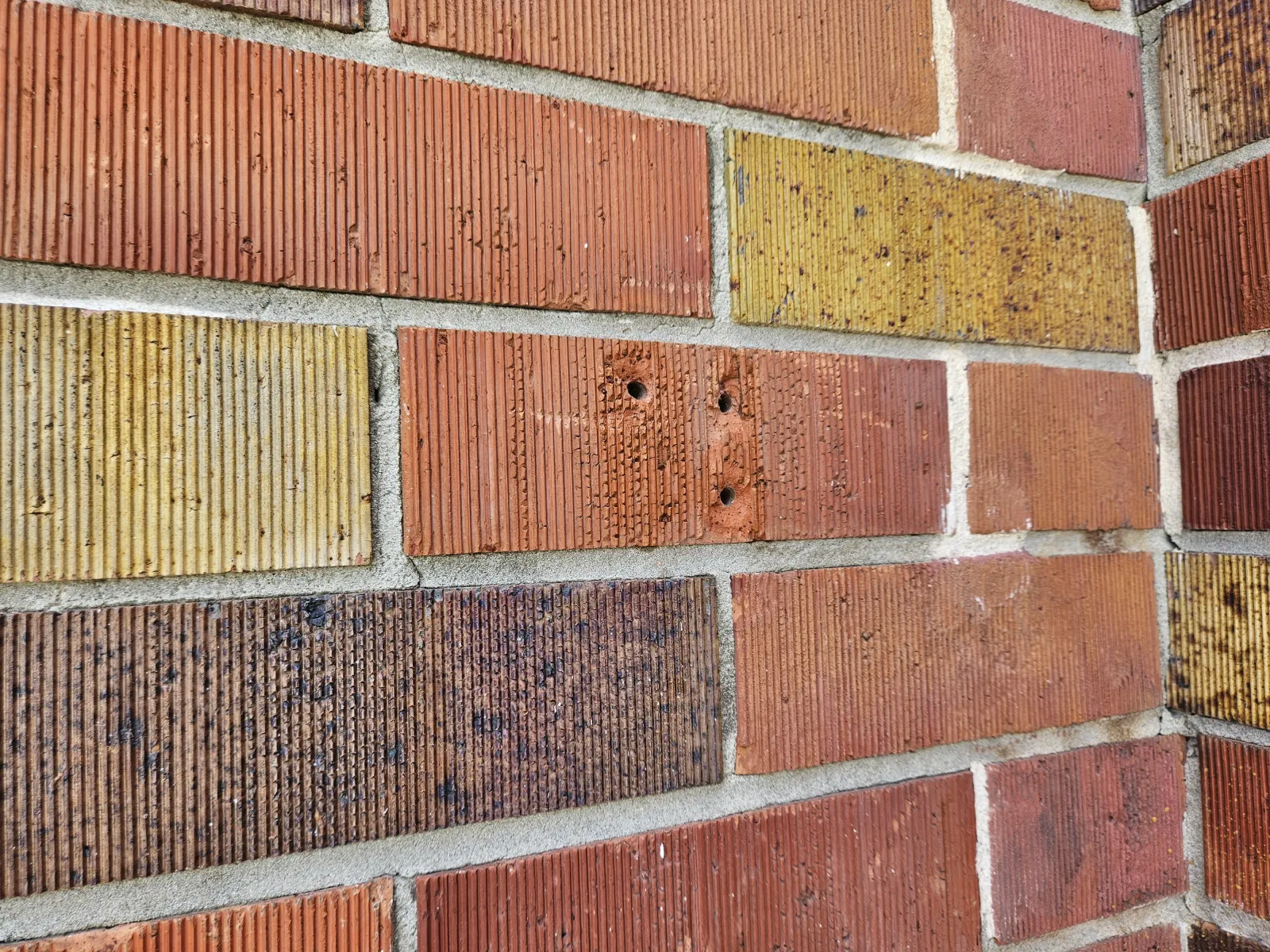
Historic brickwork requires repair methods and materials that are compatible with the original construction. At Stoneline Heritage Restoration, we undertake brick repairs, mortar replacement, repointing and conservation works using techniques appropriate to the age, condition and significance of the building.
Every project begins with an assessment of the existing masonry to ensure repairs preserve both the appearance and long-term performance of the structure.
Lime Mortars & Traditional Masonry
The performance of historic masonry depends as much on the mortar as it does on the bricks themselves.
Many restoration failures result from the use of hard cement-based mortars in buildings originally constructed with lime mortars. While cement may appear stronger, it often traps moisture, restricts the natural movement of the masonry and accelerates deterioration of the surrounding brickwork.
Where appropriate, our masonry relies on traditional lime-based mortars rather than modern cement. Carefully matched to the original construction, these mortars provide the correct strength, permeability and flexibility, allowing the building to breathe and perform as it was originally intended.
When the appropriate mortar is used, it often eliminates the need for repetitive and costly repairs by remaining compatible with the existing masonry and supporting its long-term performance.
Brick Repairs & Repointing
Mortar joints naturally deteriorate over time as they are exposed to weather, moisture and environmental conditions. Repointing is not simply a cosmetic repair—it is an essential part of protecting masonry and maintaining the structural integrity of the wall.
We undertake brick repairs and repointing using carefully selected materials and traditional techniques that respect the age and character of the building. Particular attention is given to joint profiles, mortar composition, colour matching and workmanship to ensure repairs integrate seamlessly with the existing masonry.
Stucco & Decorative Masonry
Historic brick buildings often incorporate decorative stucco, mouldings and architectural ornaments that contribute significantly to their character.
Our restoration works include both traditional on-site moulding techniques and the reproduction of historic stucco profiles and decorative elements where original features have deteriorated or been lost. New work is carefully matched to the original design, ensuring repairs remain sympathetic to the building's architectural style.
Breathability & Long-Term Performance
Historic buildings were designed to regulate moisture through breathable materials. Successful restoration requires an understanding of how moisture moves through the building fabric and how repair materials interact with the original construction.
Particular attention is given to moisture movement, vapour permeability and long-term durability. By selecting compatible materials and conservation-led repair methods, we help protect historic masonry while reducing the likelihood of future deterioration.
A Conservation-Led Approach
Our objective is not simply to replace damaged mortar or repair brickwork, but to preserve the integrity and character of the building as a whole.
By combining traditional craftsmanship with modern conservation knowledge, we deliver repairs that remain faithful to the original construction while providing lasting performance for generations to come.
Recent work in this category.
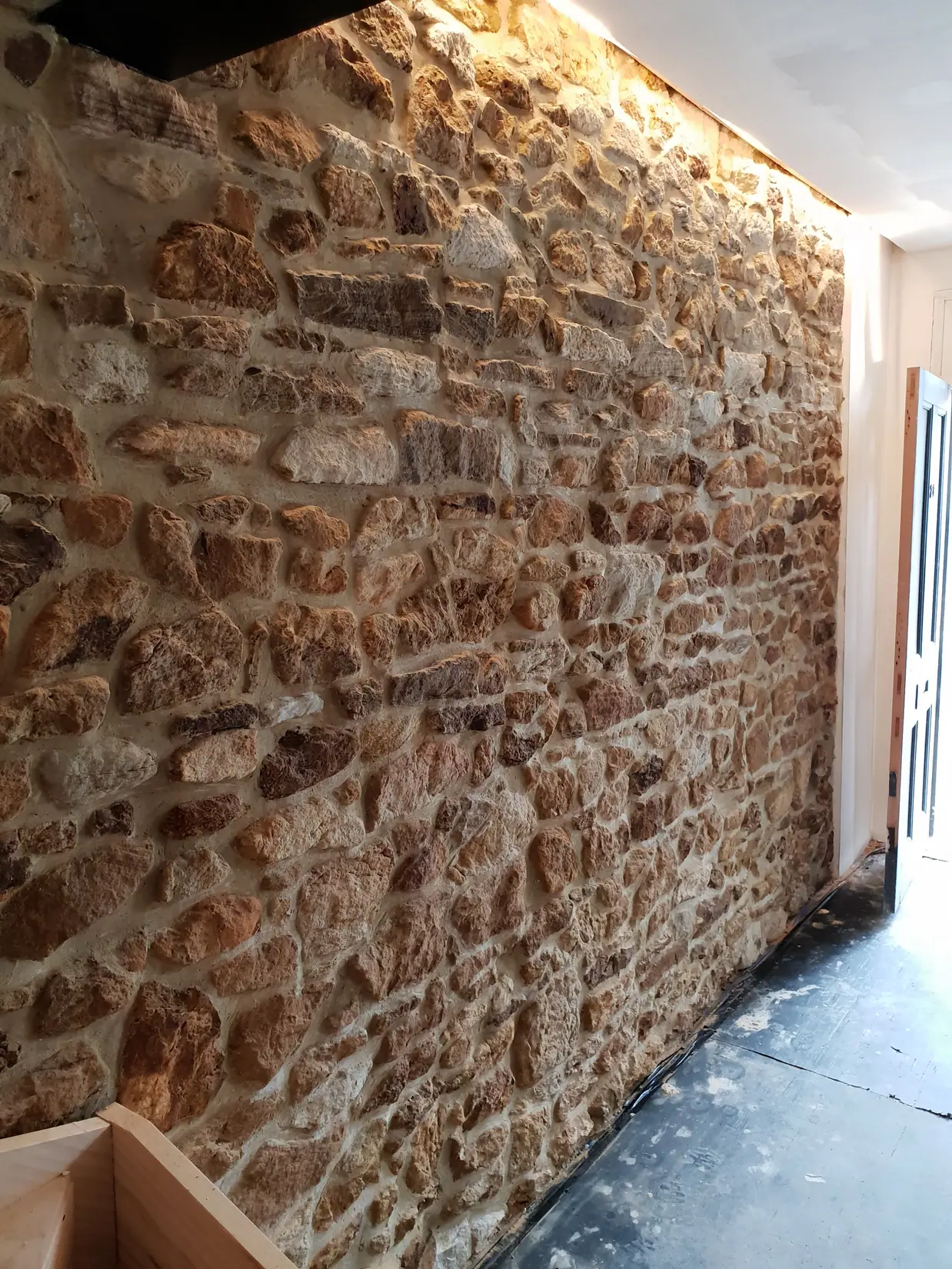
Sandstone base wall repointed
A render-finished home on a rubble-sandstone base — perished joints and an old cement patch raked out and repointed with a matched mortar, leaving the stone clean and the coursing crisp.
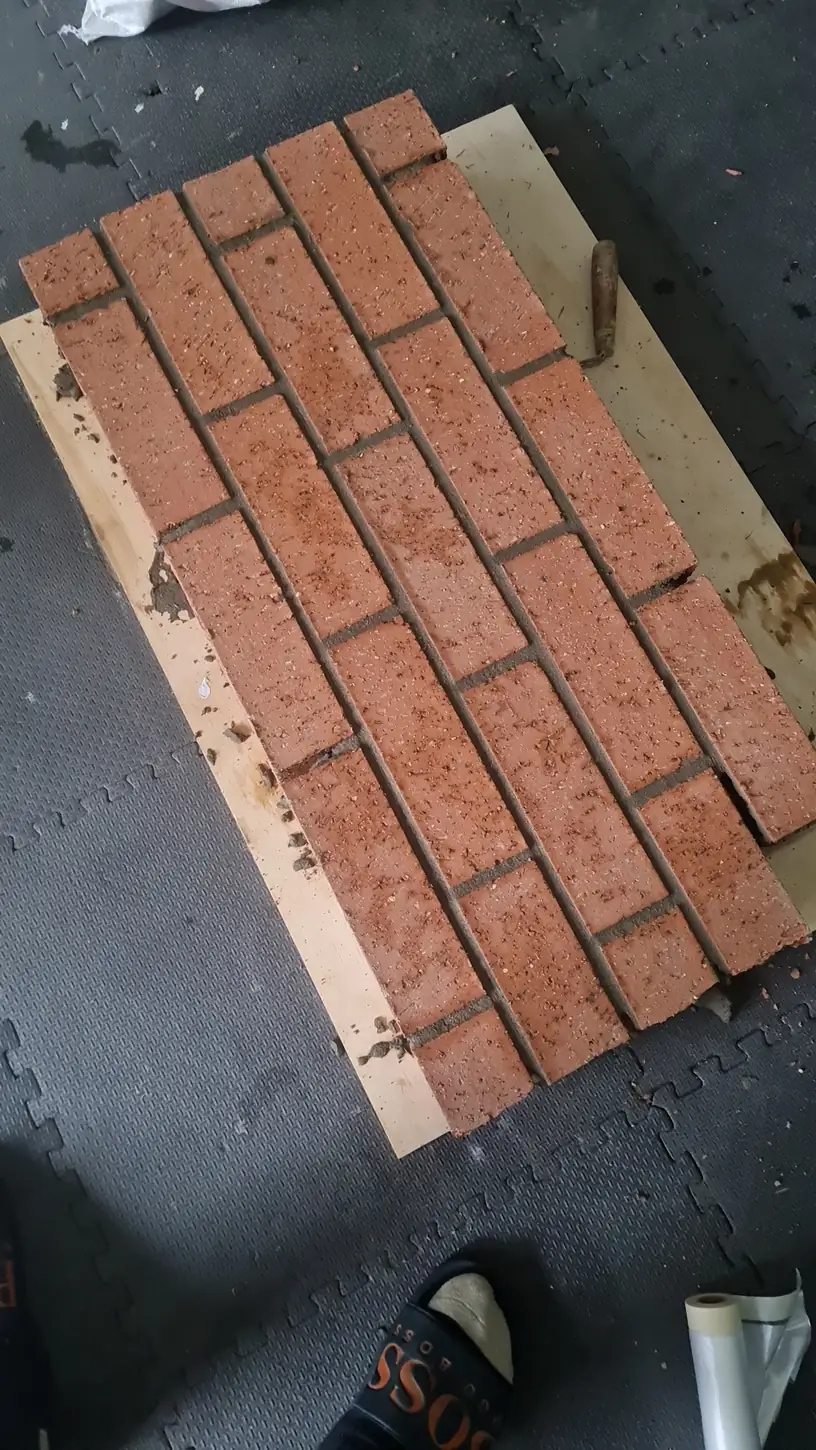
Brick & mortar match panel
Selecting replacement bricks and trialling the mortar colour and joint profile on a sample panel before any repair — so new work disappears into the original wall instead of patching over it.
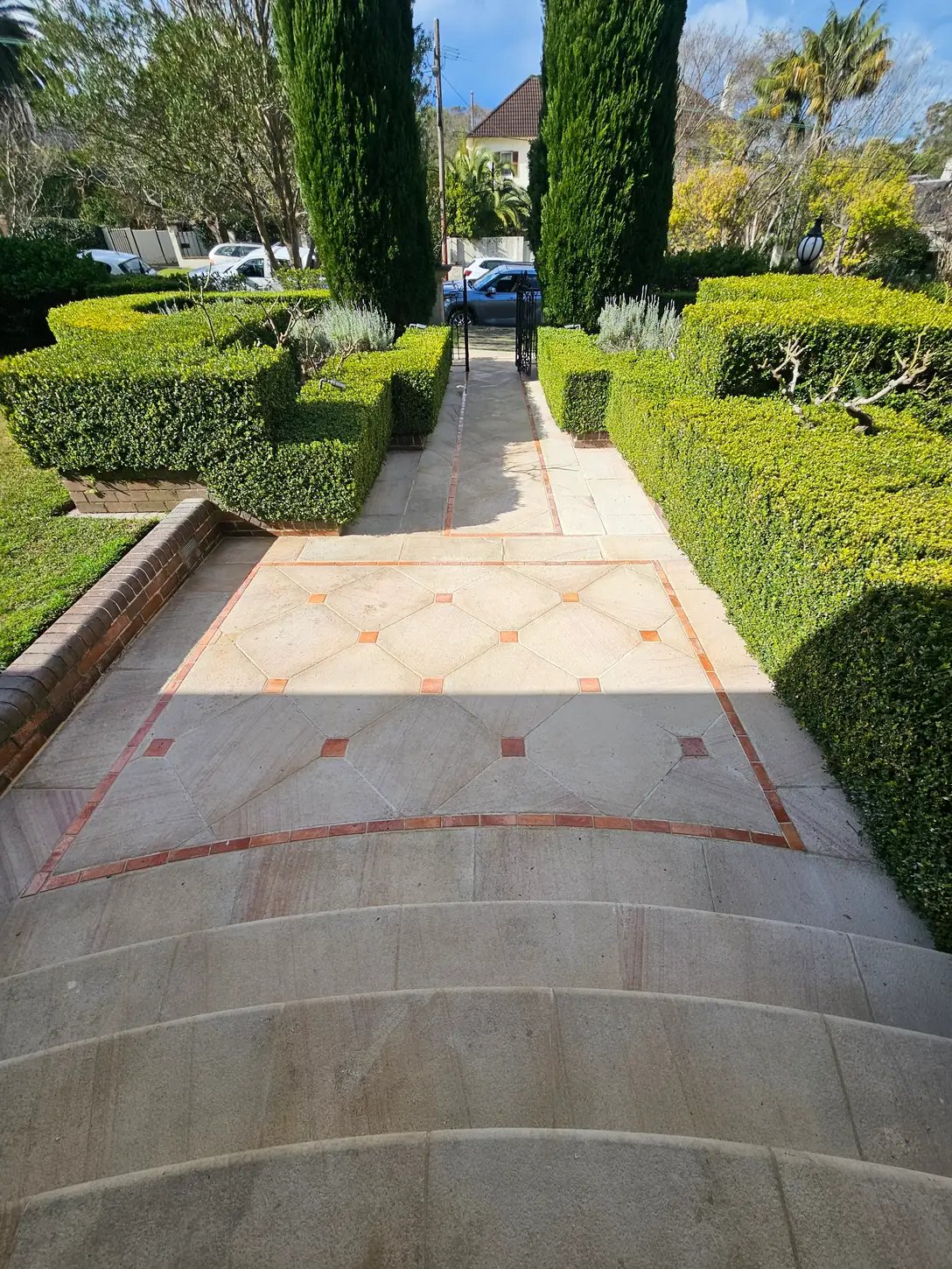
Terracotta-banded entry paving
A formal sandstone entry forecourt laid with terracotta brick banding and a geometric diamond inlay — units cut and set to fine, even joints, the brick borders framing the stone.
Common questions
What is the difference between repointing and tuckpointing?
Repointing replaces failing mortar in the joint with a compatible mix. Tuckpointing adds a fine secondary lime line for the refined look seen on many Victorian and Federation terraces.
Should old brickwork be repointed in cement or lime mortar?
Older brick was usually laid in softer, breathable lime mortar. We match the mortar by hardness, permeability and appearance — cement is often too hard and can crack the brick face under stress.
How do I know my brickwork needs repointing?
Common signs are recessed or powdery joints, stepped cracking, spalling brick faces and salt deposits near the base of the wall. We assess before recommending works.
Get a specialist assessment for brick, mortar & repointing.
Send photos and a short description — we'll come back with a method we'd recommend assessing on site, and what we'd need to confirm before quoting.