Fixing cracks in brick walls starts with reading the crack — not with the first bag of mortar. On older Sydney and NSW brickwork, a hairline opening in a soft joint is a different problem from a stepped crack that widens after rain, or a split that runs through several bricks above a lintel. Filling every gap as if it were failed pointing can hide movement, trap moisture, or leave the real defect untouched.
This article is a supporting guide under our brick repointing services pillar. It explains how owners and strata usually sort cosmetic joint openings from cracks that need broader assessment, when brick repair or repointing is enough, and when to stop and seek structural or damp advice. Quotes and method still live on our brick repairs and repointing service page.
What a crack in brickwork can mean
Brick walls crack for many reasons. Common ones on heritage and older houses include:
Weathered joints that open as mortar erodes — often local, often addressed by compatible repointing.
Thermal and moisture movement — small seasonal openings that remain stable.
Settlement or foundation movement — stepped cracks, doors that stick, floors that tilt.
Failed lintels or concentrated loads — cracks radiating from openings.
Corrosion of embedded metal — jacking and cracking as steel expands.
Earlier hard cement repairs — stress transferred into soft brick faces, sometimes with new cracks beside dense patches.
No single “crack filler” suits all of these. The repair follows the cause.
Hairline joints versus cracks you should not ignore
Often manageable as masonry repair after assessment:
Open mortar only, bricks still sound and aligned.
Local weathering on an exposed elevation, sheltered walls still intact.
Old, stable cracks that have been painted over for years without change (still photograph and monitor).
Arrange prompt assessment and keep clear of loose masonry when you see:
Cracks that widen, lengthen or appear suddenly.
Bulging, leaning or hollow-sounding panels.
Stepped cracks through multiple courses, especially near corners or openings.
Cracks with ongoing damp, salts or active flaking.
Loose bricks above paths, entries or balconies.
If white powder accompanies cracking, separate salt or damp diagnosis from joint repair — see white powder on brick and sandstone.
DIY versus professional — where homeowners go wrong
Search interest in DIY crack repair is real. A careful owner can monitor a stable hairline, improve drainage, and keep gutters clear. Packing a structural crack with dense cement “to hold it” is a different act: it can stiffen one zone, push movement elsewhere, and make later diagnosis harder.
DIY is a poor investment when:
the crack is active or associated with movement
hard cement must be removed without damaging arrises
height or public access is involved
decorative tuckpointing is part of the finish
you cannot tell whether the opening is joint failure or brick fracture
In those cases, a failed patch often creates a larger professional job.
Assessment before anyone prices “crack stitching” or “repointing”
A useful site conversation records:
Pattern — vertical, horizontal, stepped, diagonal; through brick or joint only.
History — when noticed; after drought, storms, nearby excavation, or plumbing works.
Change — tape, photos dated over weeks/months if safe to wait; otherwise escalate.
Moisture — gutters, overflows, ground levels, previous coatings.
Earlier repairs — cement bands, sealed cracks, replaced bricks.
Only then does the scope choose between mortar repair, unit replacement, lintel advice, damp treatment or structural referral. NSW heritage fabric often rewards patience: retain sound material; intervene where performance has failed.
Diagnose movement versus damp and salts before repair
When fixing cracks in brick walls, separate three common causes before anyone prices a patch:
Movement — stepped cracks, progressive opening, distortion at openings or corners. Mortar fill alone will not hold. Refer for structural advice when the pattern is active.
Damp and salts — cracking or edge loss with white powder, soft faces, or damp that returns after rain. Treat moisture paths and salt behaviour first; see white powder on brick and sandstone. Joint repair without drainage correction often fails again.
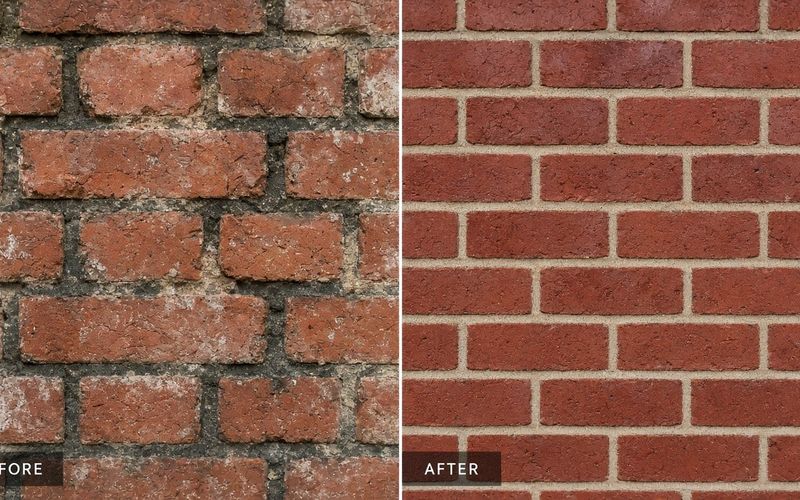
Weathered joints only — open mortar, bricks still aligned and sound. Compatible repointing or local brick repair may be enough.
Do not chase rising damp as a headline product. Diagnosis belongs in the assessment; commercial work still resolves through brick repairs and repointing.
When to call a specialist — not only a pointing quote
Call assessment-led help when cracks widen, panels bulge, salts keep returning, hard cement must be cut out, decorative tuckpointing is involved, or access needs scaffolding. Send elevation and close-up photographs, note whether the crack is changing, and ask for cause before method — not a metre rate alone. Stoneline’s quote path for that work remains the brick repairs and repointing service page, with method context on the brick repointing services pillar.
When repointing helps — and when it does not
Compatible mortar repair restores joints that no longer shed weather. It can close openings that are simply missing pointing. It cannot:
correct ongoing foundation movement
replace a failed lintel by itself
make a bulging panel stable
undo damage from trapped moisture without addressing the moisture path
If the brief is “fixing cracks in brick walls” and the wall is out of plumb, treat pointing as one possible line item inside a larger plan — not the plan.
For how professional pointing is sequenced when joints are the true defect, see our pillar on why professional brick repointing is worth getting right and the cost/mortar deep-dive on lime mortar repointing.
Mortar choice still matters after the crack diagnosis
Even when the crack is “only” joint failure, the repair mix must suit soft historic brick. Hard, dense cement can look neat in a filled crack while concentrating stress at the brick face. Lime-based mortars are often appropriate because permeability and small movement suit traditional construction — but “lime” is a family of materials, not a single bag name. Ask what evidence supports the mix for *your* wall. Our brickwork mortar guide covers compatibility in more depth.
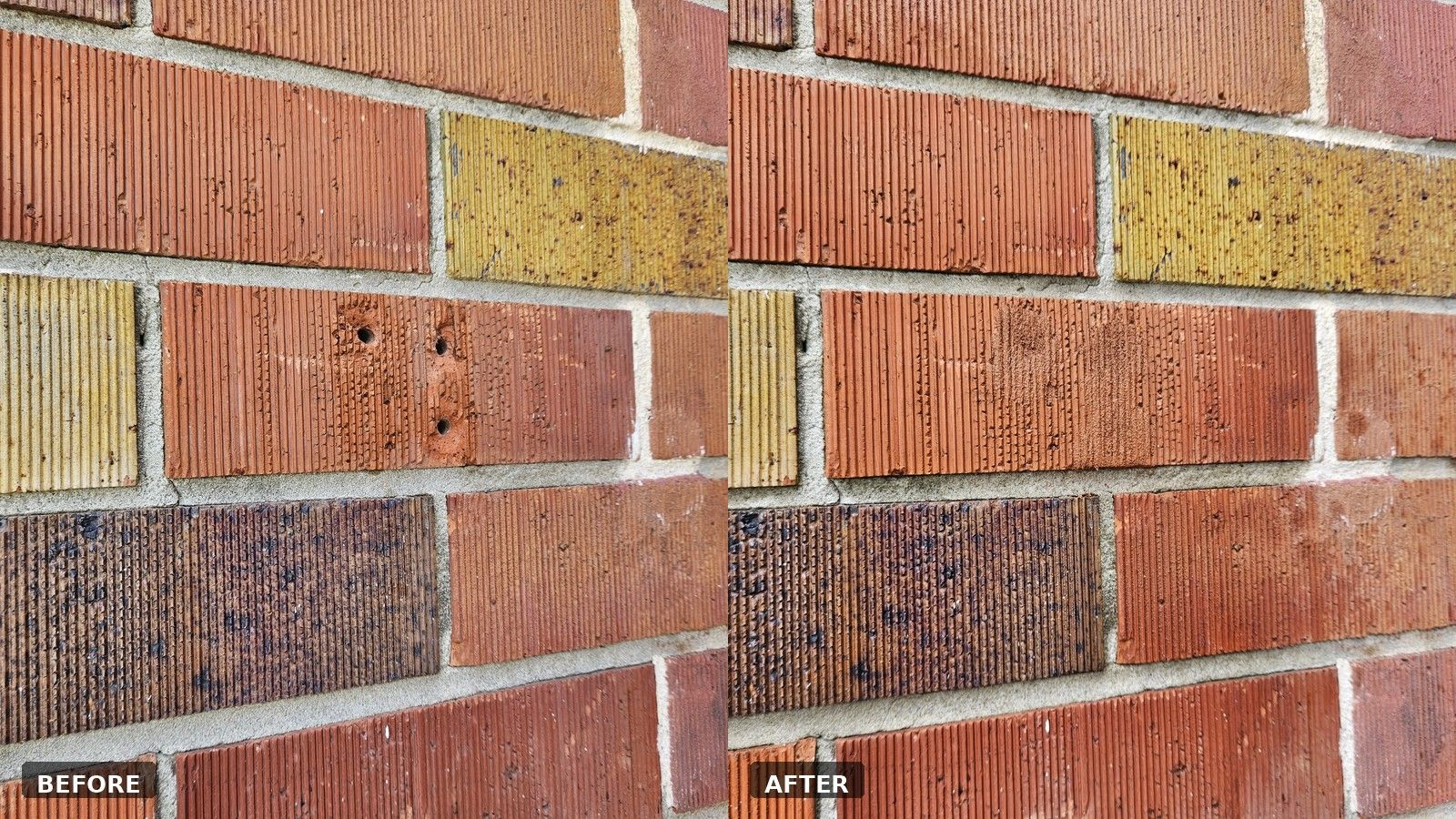
Where cracks have been filled with incompatible material already, removal should be trialled. Forcing out firmly bonded filler can damage bricks; sometimes leaving a stable imperfect patch is less harmful than aggressive chasing — that decision belongs in assessment.
Monitoring, making safe and staged work
Not every crack needs emergency rebuilding. Many older walls carry historic cracks that have been stable for decades. Sensible staging looks like:
Make safe — temporary support or exclusion if units are loose.
Diagnose — cause, not only cosmetics.
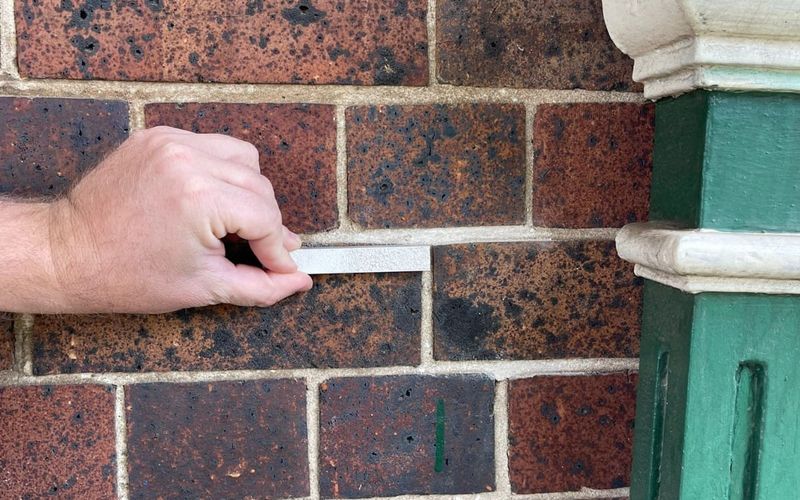
Sample — agree appearance and mortar on a trial area where pointing is part of the cure.
Repair — joints, units, or referred structural works as required.
Maintain — gutters, overflows, early re-inspection after storms.
Strata and heritage-listed properties may also need approval pathways before visible façade changes. That is separate from the technical method, but it affects programme and documentation.
Choosing help in Sydney without “near me” theatre
Local capacity matters for site visits and access knowledge. It does not establish method. Prefer contractors who will describe the crack pattern in plain language, say what they will *not* fix with mortar alone, approve samples where pointing is proposed, and involve other specialists when movement or structure is in play.
Stoneline Heritage undertakes assessment-led brick, mortar and repointing for heritage and older buildings across Sydney and NSW. Send elevation and close-up photographs, note whether the crack is changing, and ask for a method that starts with diagnosis.
Reading crack patterns on Sydney terraces and freestanding houses
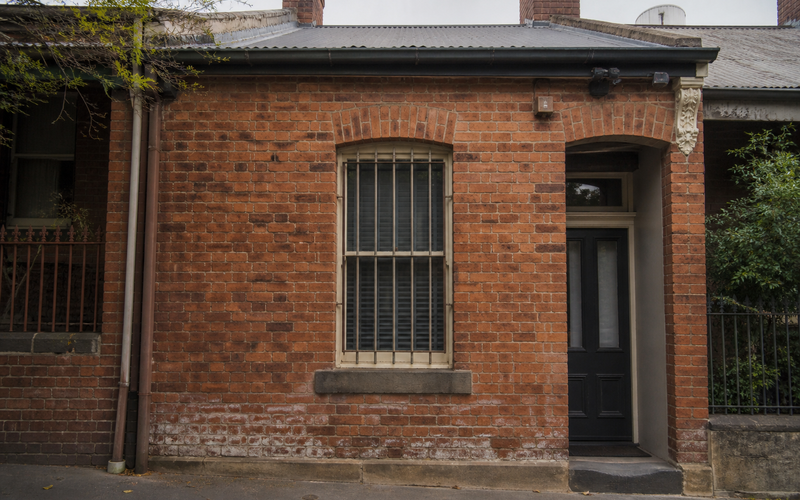
Terrace rows share party walls and often show similar crack families: settlement at ends of rows, movement at bay windows, and openings above lintels where timber or steel has decayed. Freestanding Federation houses more often show corner cracks, verandah junction cracks and chimney-related openings. The pattern is a clue; it is not a diagnosis on its own.
Take dated photographs from the same positions. A crack that looks alarming in raking afternoon light may be unchanged for years. Conversely, a fine line that lengthens after heavy rain deserves faster attention. Simple tell-tales or pencil marks across a crack can help owners monitor safely — they do not replace professional judgement when movement is obvious.
Interior cracks in plaster sometimes track external masonry movement; sometimes they are only finish failure. Correlate inside and outside before assuming the brick wall is the primary defect.
Temporary making-safe while you wait for assessment
If bricks are loose above a footpath, entry or balcony, exclusion and temporary support matter more than matching mortar colour. Soft barriers, temporary props designed by someone competent, or careful removal of imminent fall hazards may be required. Do not rely on expanding foam, silicone or a smear of cement as “holding” overhead masonry.
Record what was removed or propped. Heritage fabric that is taken down for safety should be labelled and stored for possible reinstatement once the cause is understood.
How contractors should talk about cracks in a quote
A useful quote for crack-related work states:
which cracks are included and which are excluded
whether the work is monitoring, pointing, stitching, lintel repair or referral
mortar specification where joints are being renewed
access and protection
what happens if opening the wall reveals corroded metal or failed arches
Vague line items such as “crack repairs — provisional” without a method are hard to compare and easy to expand on site. Ask for plain English. If two quotes differ wildly, the scopes usually differ — not only the margin.
After repair: what “success” looks like
Success is a wall that sheds weather, retains as much original fabric as practicable, and no longer shows active opening at the treated defects. It is not a promise that no crack will ever appear elsewhere on an ageing building. New openings after nearby excavation, drought cycles or plumbing leaks need fresh assessment rather than blame on the last mortar batch.
Keep a simple maintenance log: dates of inspection, photos, gutter cleans, and any new defects. That record is valuable for strata minutes and for the next contractor who attends.
Frequently asked questions
Should I fill every crack in a brick wall?
No. Sound historic cracks that are stable may be monitored. Active, widening or structural cracks need assessment before filling.
Is fixing cracks in brick walls the same as repointing?
Only when the opening is failed joint mortar. Cracks through bricks, stepped movement cracks and lintel failures are different briefs.
Can DIY crack repair work?
Monitoring and basic maintenance can. Packing active cracks with hard cement usually creates bigger problems on soft masonry.
When should I call a structural engineer?
When cracks are active, associated with distortion, appear suddenly after nearby works, or when a mason flags movement beyond masonry repair.
Will lime mortar stop my wall cracking again?
Compatible mortar reduces damage from inappropriate hard patches. It does not stop foundation movement or failed lintels by itself.