Brickwork mortar is the material in the joints that beds bricks, takes small movement and — when compatible — helps the wall manage moisture. On older Sydney and NSW façades, mortar choice is not a colour preference. A hard, dense cement repair can look crisp while trapping damp and concentrating stress on soft historic brick. A well-matched lime-based mix can look quieter and last longer because it works with the wall rather than against it.
This guide explains what brickwork mortar is doing, how lime and cement behave differently in heritage fabric, and what to ask before anyone rakes a whole elevation. It sits under our brick repointing services pillar and supports the service page for brick repairs and repointing. For cost factors and a longer lime-focused discussion, see Brick Repointing in Sydney: Costs, Mortar and Repairs.
What brickwork mortar is for
In traditional masonry, mortar is meant to be the sacrificial, workable part of the wall. Bricks (or stones) are usually harder and more valuable to retain. Joints weather first; they are designed to be renewed. When joints are replaced with something much harder and less permeable than the original bed, the brick faces often become the next sacrificial surface — spalling, flaking and edge loss follow.
Good brickwork mortar therefore aims to:
bed and point with appropriate strength for the units
remain permeable enough for the construction type
accommodate small movement without cracking the bricks
match colour, texture and joint profile so the façade still reads as one building
“Stronger” is not automatically better.
Lime versus cement — a practical heritage view
Many Victorian and Federation brick walls in Sydney were built with lime-rich mortars. Modern bagged cement mortars became common later because they set faster and feel robust. On soft historic brick, that robustness is often the problem.
Cement-rich repairs tend to be denser and less flexible. They can:
trap moisture behind the face
create hard points that stress soft arrises
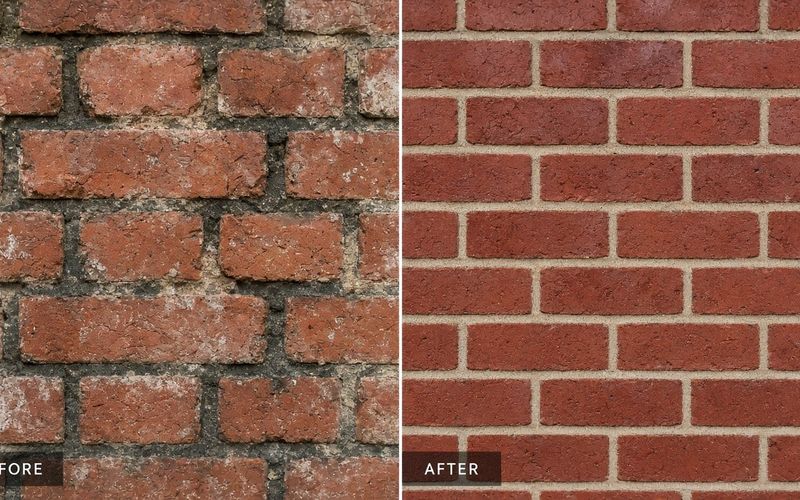
read as bright grey bands that dominate the brick
Lime-based mortars (non-hydraulic and hydraulic families) are often chosen for older masonry because they allow breathability and small movement. They still require specification: binder type, sand grading, mix ratio, additives if any, and curing. A bag labelled “heritage” is marketing language, not a wall-specific specification.
NSW heritage practice and conservation guidance consistently favour compatible, evidence-led mixes over one-size cement patches. The Environment NSW heritage maintenance materials guidance is a useful public reference for owners who want to understand why mixes and methods are documented on significant fabric.
Minimal intervention — renew what has failed, retain what is sound
Conservation-led brickwork mortar work is not a whole-façade makeover by default. Sound original pointing should stay. Failed joints are raked and renewed with a compatible mix. Dense cement “upgrades” and impermeable coatings are not progress on soft historic brick — they often shorten the life of the units you meant to protect.
That minimal-intervention stance is why this guide stays distinct from our deeper lime mortar repointing cost guide: here the focus is compatibility decisions across repair scopes; there the focus is lime practice and cost factors for repointing programmes. Both point to the same money page for brick repairs and repointing.
Colour, texture and joint profile — why samples matter
Owners often judge mortar by wet colour on the day. Dry colour beside original work is what the street will see. Texture (coarse or fine sand), tooling (flush, weathered, recessed) and joint width change how brickwork reads from the footpath.
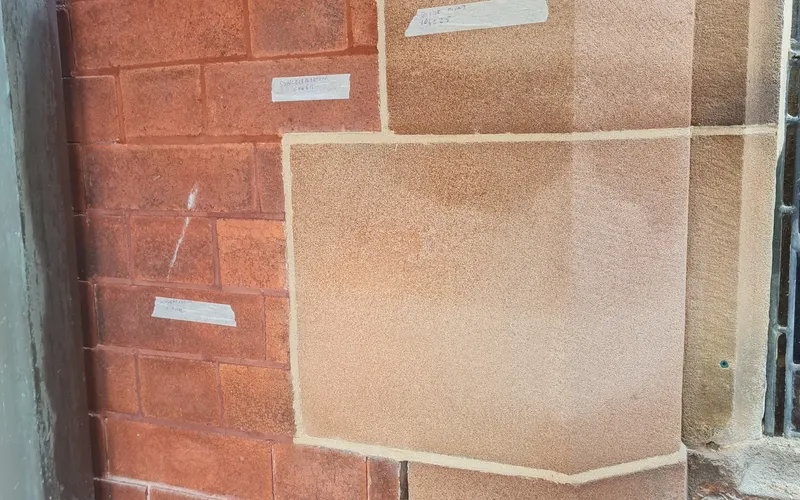
Agree a sample panel, let it dry, and view it in the same light as adjoining original pointing before the main elevation proceeds. Decorative finishes such as tuckpointing are a separate craft: a fine lime line over a coloured joint bed, not ordinary joint fill priced by the metre.
Matching strength to the brick — not to a slogan
Compatible mortar is matched to the brick and the surviving original mortar where evidence remains. Soft, porous bricks generally need softer, more permeable joints. Hard engineering bricks in later work may tolerate different approaches — but many “repairs” on mixed façades wrongly apply one modern mix everywhere.
Questions worth asking:
What evidence from the wall supports this mix?
How will failed hard cement be removed without damaging bricks?
Will sound original pointing be retained?
How is colour and profile approved?
What curing and weather protection is included?
Our service work on lime mortars and traditional masonry starts with that assessment rather than a uniform product choice.
Mortar repair, pointing and repointing — related but not identical
Pointing is the finished face of the joint. Repointing renews failed pointing. Mortar repair may also include bedding replaced bricks or local rebuilding. Search phrases blur these terms; scopes should not.
If the wall mainly needs joint renewal, see professional brick repointing. If units are loose or spalled, see brick repair on older Sydney homes. If cracks suggest movement, see fixing cracks in brick walls before anyone specifies a mortar as the cure.
When hard cement is already in the wall
Many Sydney façades already carry twentieth-century cement pointing over nineteenth-century brick. Removal can be beneficial where the hard joint is damaging soft faces — but aggressive chasing can destroy arrises. Trial areas matter. Sometimes a stable imperfect patch is left because removal would cause more harm than good. That is a conservation judgement, not a square-metre slogan.
Salts and damp often show first at the base of walls. Do not confuse salt deposits with a mortar-colour problem; start with efflorescence guidance when white powder is the dominant symptom.
Specifying brickwork mortar without overclaiming
Honest specification talks about:
binder and sand
intended strength and permeability relative to the masonry
preparation depth and joint profile
sample approval
protection and curing
It does not promise that one mix will “last forever” or raise property value. Compatible repair reduces the chance of repeating failure for the wrong reason. Cost still moves with access, extent, removal of hard pointing and labour — detailed in our lime mortar and cost factors article.
Practical maintenance after mortar works
Keep gutters and overflows clear. Avoid dense clear coatings that seal soft masonry. Inspect after storms for new open joints. Small early repairs usually cost less than waiting for a whole elevation to fail again. SPAB-style preventative maintenance thinking applies as well in Australian exposure as in the climates where that guidance was written: retain sound fabric; renew what has failed.
Working with Stoneline on mortar decisions
Stoneline Heritage specifies and places compatible mortars as part of assessment-led brick, mortar and repointing across Sydney and NSW. Bring photographs of dry and wet elevations, note earlier cement patches, and ask for a sample before the main works. Locality gets someone to site; mortar compatibility protects the brick.
Sands, binders and why site-mixed still needs control
Heritage mortar work is not romantic hand-mixing for its own sake. Sand grading and cleanliness affect colour and workability. Binder choice affects early strength and long-term permeability. Batching by shovel “feel” alone produces variation across an elevation that shows as mottling when dry.
Whether mortar is site-mixed or prepared under controlled conditions, the same rules apply: consistent proportions, clean water, and protection from rapid drying or wash-out. Hot Sydney summers and sudden southerlies can ruin a carefully specified mix if curing and protection are skipped.
Pigments, if used, should be stable and dosed carefully. Over-pigmented joints often fade unevenly. Many successful matches rely more on sand colour and tooling than on heavy pigment.
Joint profiles common on Sydney brickwork
Flush, weathered, recessed and struck joints each throw light differently across the brick face. Victorian and Federation work often used profiles that kept the brick dominant and the joint quiet. Wide, ribbon-like cement joints reverse that relationship and make repairs conspicuous.
When repointing, match the surviving original profile where it remains. Do not impose a modern “neat” ribbon because it is faster to tool. Decorative tuckpointing adds a further layer: a fine white (or contrasting) line that must be priced and skilled separately from ordinary pointing.
Testing and evidence without over-labbing every cottage
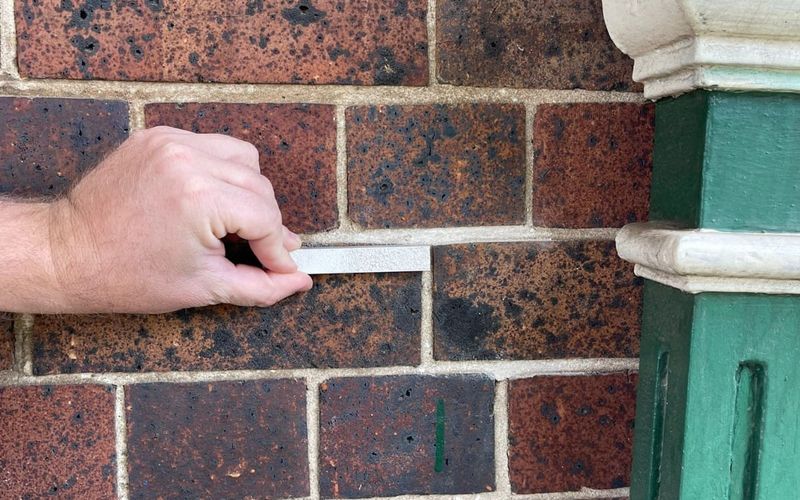
Not every terrace needs laboratory mortar analysis. Many decisions follow visual evidence, hand testing of relative hardness, and trial panels. On highly significant fabric, or where previous failures are unexplained, laboratory characterisation of original mortar can justify a tighter specification.
Owners should be wary of both extremes: refusing any investigation when failures repeat, and commissioning expensive tests that never change the on-site method. Ask what decision the test will inform.
Documentation worth keeping after mortar works
Retain:
mix description as placed
sample panel photos (wet and dry)
elevation records of areas treated
product batch notes where proprietary binders were used
curing and weather conditions of note
Future trades — and future you — will thank you when a small patch is needed five years later.
Relating mortar choice to the wider repair programme
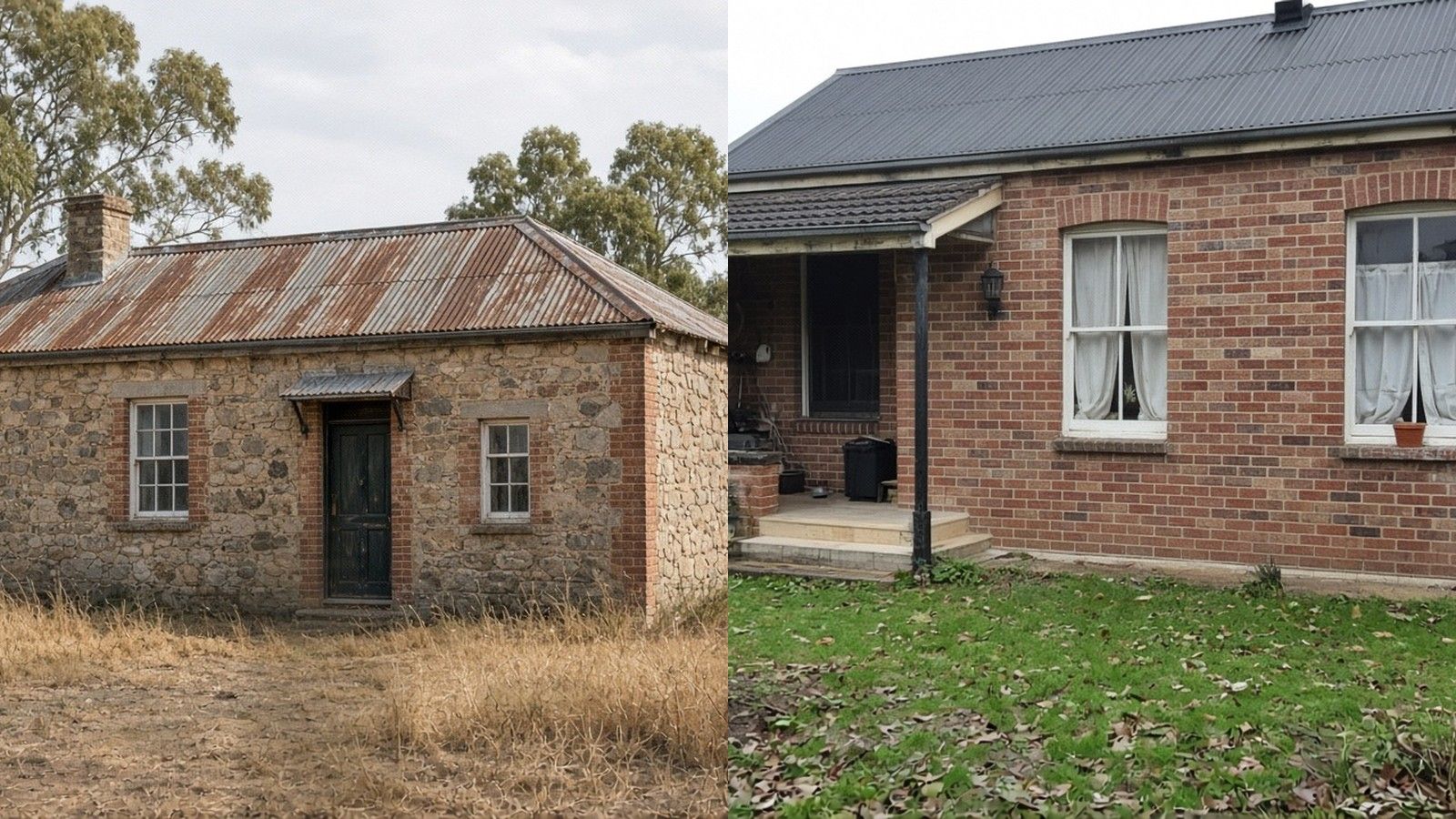
Brickwork mortar decisions should sit inside the same programme as brick replacement, drainage correction and any crack monitoring. Specifying a beautiful lime mix while leaving a failed gutter to soak the new joints wastes both money and goodwill. Equally, rebuilding with cement “for speed” on one bay while lime-pointing the next creates a façade that weathers differently within a few seasons.
Write the mortar specification into the same document as the sample approval and the elevation schedule. That keeps strata votes, heritage officers and site supervisors aligned on what “match existing” actually meant on the day.
Frequently asked questions
What is brickwork mortar?
The joint material that beds and points bricks. On older walls it should suit the brick’s strength and moisture behaviour — not merely look neat when wet.
Should I use cement or lime on a Federation brick house?
Often a lime-based approach is more compatible, but the right answer follows evidence from the wall and a specified mix — not a single product name.
Is “heritage mortar” enough as a specification?
No. Ask for binder, sand, ratio, strength intent, sample and curing — documented for your elevation.
Why does new mortar look the wrong colour?
Wet colour misleads; sand and tooling matter; samples should be judged dry beside original work.
How does this differ from your lime mortar repointing guide?
That guide focuses on repointing costs and lime practice in depth. This article frames brickwork mortar compatibility across repair decisions and links out for cost detail.