
Tuckpointing for Sydney Terraces & Heritage Brickwork
Tuckpointing is a traditional finish used on many Victorian and Federation brick façades in Sydney. A coloured mortar fills the joint, then a fine lime putty line is struck to give a crisp, even joint appearance. We specify tuckpointing only where the surviving evidence — or a clear heritage brief — calls for it. Where joints simply need sound, compatible mortar, standard repointing is the correct repair.
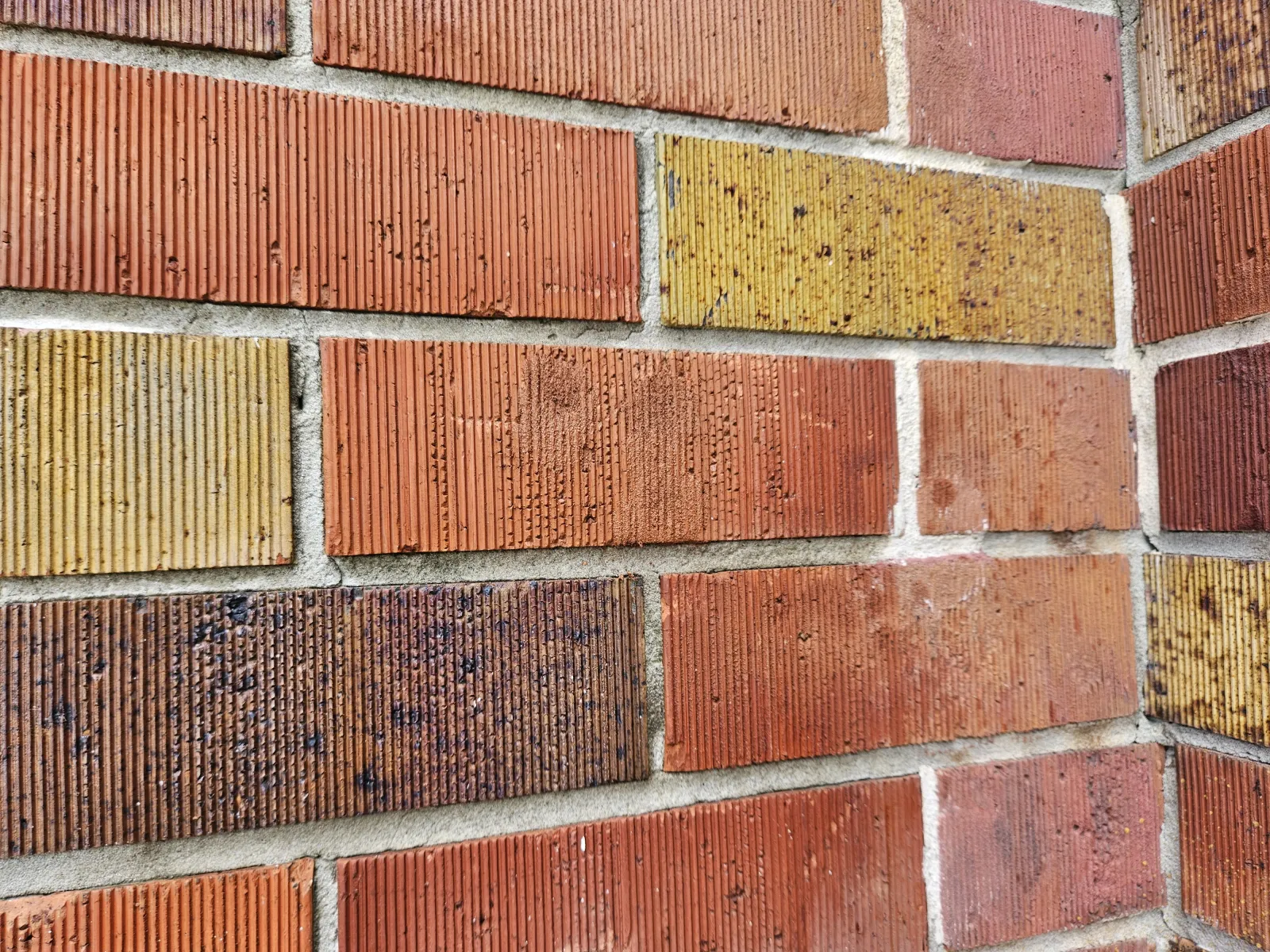
In tuckpointing, the joint is packed with a mortar matched to the brick colour, then a narrow lime line (the “tuck”) is applied and cut clean. The result reads as precise, regular joints — the look often seen on carefully finished terrace fronts. It is slower and more specialised than straightforward repointing, and it depends on sound brick edges and a compatible base mortar.
Specify the finish the building evidence supports.
Tuckpointing vs repointing
Repointing replaces failed or inappropriate mortar so the wall can shed water and move with the brick. Tuckpointing adds the decorative lime line on top of a suitable joint fill. Many Sydney terraces need repointing first; only some need the full tuckpointed finish reinstated. For a plain-language comparison, see our note on repointing vs tuckpointing for Sydney terraces. For structural joint repair without the fine line, see brick repointing & repairs.
When Sydney terraces need it
Consider tuckpointing when:
- Surviving elevations still show a fine lime line and the brief is to reinstate that finish.
- A heritage listing or conservation advice specifies matching the original tuckpointed appearance.
- Brick faces are sound enough to take a crisp line without heavy cutting back into soft arrises.
If joints are open, powdery or previously filled with hard cement — and there is no clear tuckpointed evidence — start with diagnosis and compatible repointing. Decorative finish comes after the wall is stable and breathable.
Mortar compatibility
Older Sydney brickwork was typically laid in softer lime mortar. Hard Portland cement pointing can stress soft bricks and trap moisture. For tuckpointing we use compatible lime-based fills and a lime putty line suited to the brick and exposure. Colour matching of the joint fill matters; the white or off-white line is struck to a consistent width. We do not treat “tuckpointing” as a cosmetic skim over cement-rich joints that are already damaging the brick.
Process
- Assess — joint condition, prior repairs, brick hardness, moisture/salt, and whether a tuckpointed finish is evidenced or required.
- Trial — sample bay for mortar colour, line width and finish before committing the elevation.
- Rake and prepare — remove failed or incompatible pointing to a sound depth without damaging brick edges.
- Fill — place compatible coloured mortar; allow appropriate set.
- Tuck — apply and cut the fine lime line; protect and cure as required by conditions.
- Handover — note materials and maintenance expectations for the façade.
Related services & reading
Brick repointing & repairs — when the joint needs sound mortar without the fine line.
Repointing vs tuckpointing: what your Sydney terrace needs — practical decision guide.
Salt damp & rising damp — if fretting brick or salt at the base is driving joint failure, treat moisture and salts as part of the scope.
What affects the cost of tuckpointing?
Cost depends on elevation condition, access, trial requirements and how much inappropriate pointing must be removed before a compatible lime-based system can be placed. Soft brick edges, prior cement repairs and moisture or salt issues can also change the scope.
Send photographs of the street elevation and a short description. We advise whether tuckpointing, repointing, or moisture-related work should lead the scope before preparing a quote.
Common questions
Is tuckpointing the same as repointing?
No. Repointing replaces the mortar in the joint. Tuckpointing adds a fine lime line over a coloured joint fill for a refined traditional appearance.
Do all Sydney terraces need tuckpointing?
No. Many need compatible repointing only. We recommend tuckpointing where the original finish or the heritage brief calls for it.
Can you tuckpoint over old cement pointing?
Not as a lasting repair. Failed or overly hard cement should be assessed and usually removed so a compatible lime-based system can be used.
How do you price tuckpointing?
By elevation condition, access, trial requirements and how much inappropriate pointing must be removed. Site assessment comes before a firm quote.
Get a specialist assessment for tuckpointing.
Send photos and a short description of the elevation — we will advise whether tuckpointing, repointing, or moisture-related work should lead the scope.