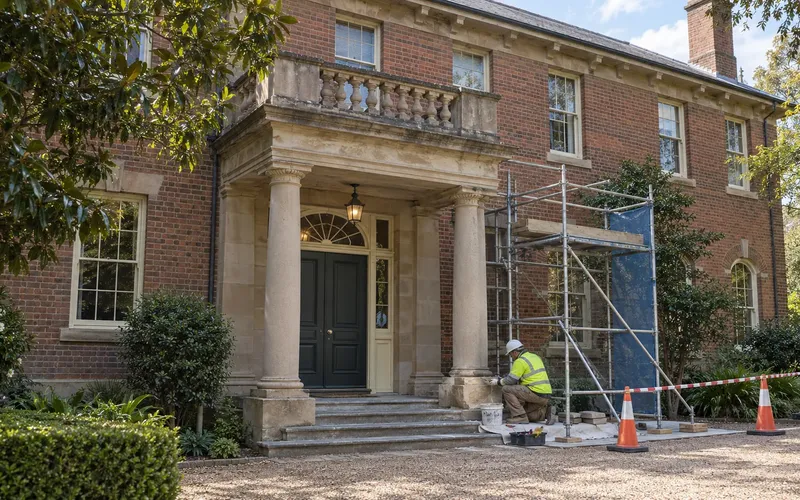
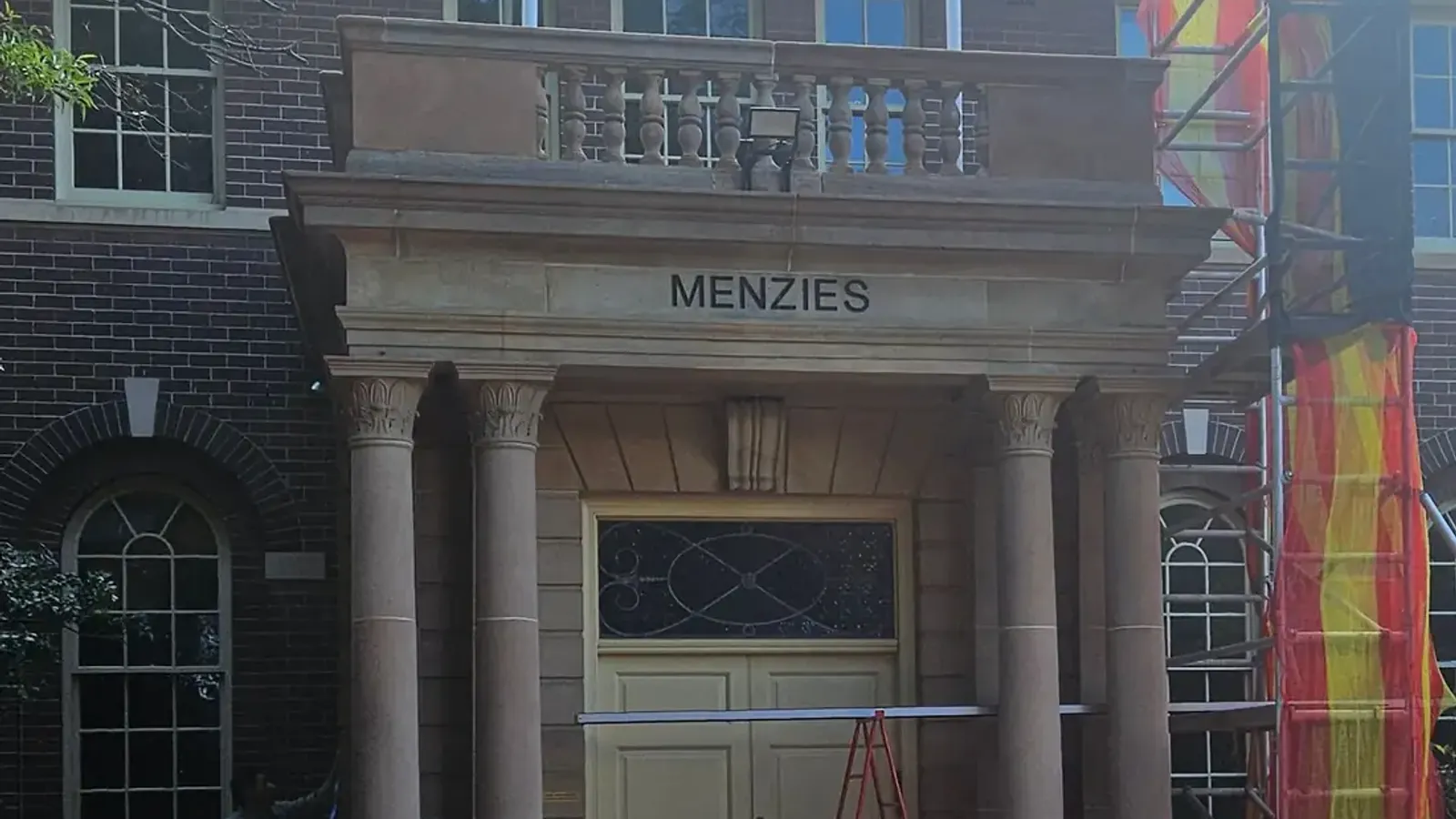
Heritage building restoration conserves the materials and details that make an older property significant while addressing deterioration and supporting its continued use. In NSW, a sound project begins with the building's condition, its heritage status and a clear understanding of what needs to be retained, repaired or carefully adapted.
For owners, the first decision is often quite practical: does the building need an urgent repair, a planned programme of conservation work or changes to make it more usable? Those needs can overlap. An assessment helps put them in order before money is committed to finishes or replacement work.
This guide covers the main decisions, from recognising defects and checking NSW approvals to selecting compatible repairs and planning ongoing care.
Explore the restoration guides
Choose a guide for the decisions you are making:
Heritage construction in NSW explains traditional materials, building methods and the role of modern repair techniques.
Building restoration services in NSW covers repair scopes, assessments, costs and what to ask before commissioning work.
Choosing a heritage renovation specialist in Sydney helps you compare experience, licences, proposals and local planning knowledge.
Planning heritage home renovations in NSW focuses on retaining residential character while adapting a home for everyday use.
For closer detail on a particular material or maintenance concern, start with these guides:
What makes heritage building restoration different?
Heritage work considers more than the final appearance. Original materials, craftsmanship, alterations and the building's setting may help explain why the place matters. A repair should respond to that significance as well as the defect in front of you.
The Australia ICOMOS Burra Charter, 2013 sets out a cautious approach to change, based on understanding and retaining cultural significance. Its terms are useful when discussing a scope: maintenance is ongoing protective care; restoration returns a place to a known earlier state using existing fabric; reconstruction introduces material; and adaptation changes a place to suit a use.
In everyday enquiries, “restoration” often describes a combination of these activities. Ask the project team to explain which ones are proposed. Repairing an original window, recreating a missing detail and adding a new opening involve different decisions, even if they sit within the same renovation.
Recognise problems before choosing a treatment
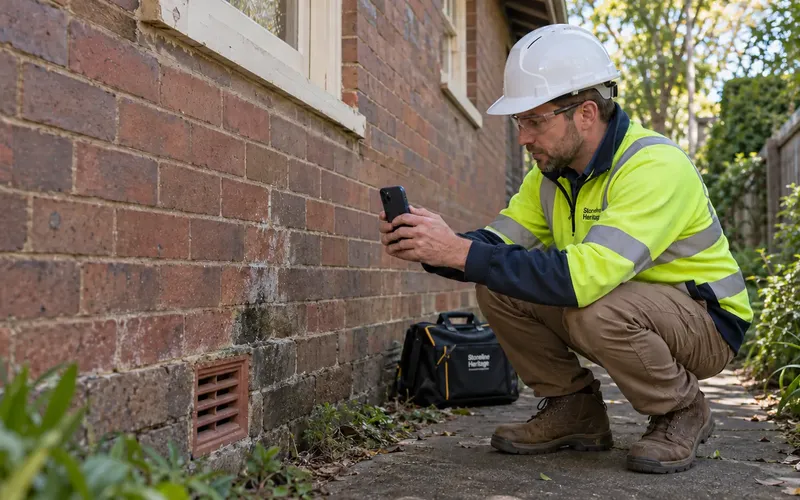
Begin with observation. Record where the defect is, when you first noticed it and whether it changes after rain or reappears after earlier repairs. Photographs and old reports can help the assessor understand its history.
Common reasons to arrange an assessment include:
Deteriorating masonry: Powdering brick or stone, loss of surface material or persistent salt deposits.
Failing joints: Open, recessed or crumbling mortar, especially where previous patches are also deteriorating.
Repeated moisture symptoms: Damp patches, stained finishes or deterioration near windows, ground level or roof junctions.
Cracking or movement: New or changing cracks, distorted elements or repairs that repeatedly open up.
Decaying details: Damaged joinery, loose render, unstable decorative elements or missing weather protection.
These signs are reasons to investigate, not diagnoses in themselves. If a façade element appears loose or unstable, keep people clear and arrange appropriate advice. Structural questions may need an engineer before a repair method can be specified.
Avoid covering a problem before its cause is understood. A fresh finish can make the next inspection harder without resolving the original defect.
Check the property's heritage status in NSW
A building can be an individual heritage item, sit within a heritage conservation area or have both forms of protection. An older appearance alone does not establish its legal status. Check the actual address and the proposed work before relying on advice about another property nearby.
The NSW State Heritage Inventory is a starting point for finding recorded heritage information. Read the listing and statement of significance, then confirm the relevant planning controls with the council.
Local information is useful too. Inner West Council's conservation area maps include address searches and information for areas in Annandale, Balmain and Rozelle. For a property in the Sutherland Shire, confirm local controls with Sutherland Shire Council. These checks concern the particular address; they do not mean every building in a named suburb is listed.
Local council controls
For a locally listed item or a property in a conservation area, discuss the proposed scope with the relevant council. Heritage NSW's pre-lodgement guidance directs local heritage approval enquiries to councils. Ask whether consent or written confirmation of an applicable exception is needed, and what heritage documents should accompany the proposal.
The answer depends on the work. A material change, an alteration to significant fabric and maintenance of an existing element should not be assumed to follow the same process.
State Heritage Register requirements
For items on the NSW State Heritage Register, consider the relevant Heritage Act approval pathway as well as other necessary approvals. Some activities may meet an exemption, but the NSW standard exemptions have specific conditions. They are not blanket permission for renovation or a substitute for other legal requirements.
Arrange heritage advice early where the scope is uncertain. Record who will check the pathway, prepare the necessary information and confirm that the proposed method fits the approval or exemption being relied on.
Plan the work in a sensible order
A restoration project should move from evidence to a defined scope. For a small repair, that may be straightforward. For a building with several defects, different specialists may need to contribute before construction is priced.
Assess the building. Record visible condition, previous repairs, access limitations and potentially urgent concerns. Identify what cannot yet be established.
Understand significance and causes. Review heritage information and investigate the reasons for deterioration. Obtain structural, material or other specialist advice where needed.
Define the repairs and approvals. Identify retained fabric, proposed methods, materials, protection and documentation. Resolve the relevant approval requirements before work begins.
Agree trials and delivery stages. Where appropriate, use samples to assess a method or appearance. Plan access, occupation and the sequence of trades.
Carry out and record the work. Keep photographs and document variations, discoveries and any revised advice. Assess changes to the scope before proceeding.
Inspect and hand over. Review the completed work, identify outstanding items and provide material records, maintenance advice and any recommended follow-up.
Ask for the boundaries of each stage to be clear. An initial condition assessment is valuable, but it may not include every investigation or drawing needed for a final construction scope.
Choose materials that suit the existing building
A repair material needs to work with what surrounds it. Appearance matters, but so do physical properties, exposure and the condition of the original substrate. A single product or mortar recipe should not be applied to every older wall.
The NSW technical guide to mortars explains investigation, matching and repair methods. For repointing, ask how the proposed mortar and joint finish relate to the existing masonry. Our brick and mortar repair service covers assessment and compatible repair of older brickwork.
Stonework needs the same attention to the individual element. Discuss what can remain and whether repair, consolidation or replacement is appropriate. Our sandstone restoration service explains the types of work that may be considered after assessment.
For damp or salt-affected masonry, establish the moisture problem before choosing a finish. The NSW salt attack and rising damp guide explains why diagnosis matters. Ask how any proposed salt and damp-related treatment addresses the findings and what further monitoring is recommended.
Retain character while making the property useful
Heritage buildings need to function for the people using them. Changes to services, access or room use may be possible, but their impact needs to be assessed against the significance of the place. Start with the need you are trying to meet, then consider options with the appropriate advisers.
Retaining an original element can require careful investigation rather than automatic replacement. Museums of History NSW's account of external joinery conservation at Elizabeth Bay House provides a documented Sydney example of care for historic windows and doors. The account credits MJ Bielby Construction and Haller’s Master Painters for the work.
For occupied homes, strata buildings and commercial premises, discuss staging early. Access routes, temporary protection and coordination with other trades can affect how the work is delivered. A proposal should explain these arrangements alongside the repairs themselves.
Set priorities and compare costs fairly
Restoration costs depend on condition, access, the extent of work, material requirements and professional input. A photograph can begin a conversation, but it rarely resolves every question needed for a firm price.
Separate the scope into useful priorities:
Immediate protection and stabilisation: Work identified as necessary for safety or to address active deterioration.
Planned conservation repairs: The agreed programme for damaged fabric and the causes of its deterioration.
Adaptation and improvements: Changes that support use of the property, assessed alongside the conservation work.
Ask which stages depend on earlier work and which can reasonably be deferred. Compare quotations against the same information, with exclusions and provisional allowances made explicit. A lower total may simply cover less work.
Check relevant experience and licence details through the NSW contractor checking guidance. Clarify who will supervise, coordinate specialist input and document changes. For residential work, review the NSW building contract guidance before signing.
Make maintenance part of the handover
Keep the condition records, approved scope, photographs and material details together. They help future owners and contractors distinguish earlier repairs from original fabric and understand what still needs attention.
The NSW guidance on preparing a maintenance plan provides a framework for planned inspections and work. Ask for recommendations suited to the building's elements and condition, including what should be monitored and who should inspect it.
At Stoneline Heritage, the starting point is the building in front of us: its materials, condition and the work being considered. If you need help with masonry, a façade or significant details, send photographs, the property address and a description of your concerns. Include any previous reports or heritage information so we can discuss what needs to be assessed on site.
Questions and answers
What is heritage building restoration?
Heritage building restoration looks after significant building fabric while addressing deterioration and supporting continued use. A project may combine conservation repairs, maintenance and carefully assessed alterations. The scope should explain what will be retained, repaired or replaced and how those choices respect the property's significance.
How do I find out whether my NSW property is heritage listed?
Check the address in the NSW State Heritage Inventory, then confirm the relevant local heritage listings and conservation-area controls with the council. Read the statement of significance where available. Do not assume that an older building is listed, or that an unlisted house has no heritage controls.
Do heritage restoration works always need approval?
Approval requirements depend on the property's status and the proposed work. Some activities may qualify for an exemption, but its conditions must be met. The NSW standard exemptions for State Heritage Register items do not remove other approval requirements. Confirm the applicable pathway before starting.
Can I renovate a house in a heritage conservation area?
Changes may be possible, subject to the property's significance, local controls and the proposed work. Ask the relevant council what information and approvals are needed. A design should consider the contribution of the building and its setting rather than assume only the front façade matters.
Should original building materials be repaired or replaced?
The decision should follow assessment of condition and significance. Retain sound material and consider appropriate repairs before replacement. Where replacement is necessary, establish the evidence, material requirements and approval position with the project team. A new-looking finish alone is not a reason to remove repairable original fabric.
How much does heritage building restoration cost in NSW?
The cost depends on the defects, access, repair quantities, materials and specialist input required. Begin with a condition assessment and a defined scope. Compare prices using the same information, with provisional allowances and exclusions identified; a general rate cannot reliably price every older building.
Can a heritage property stay occupied during restoration?
Sometimes, where the scope allows safe access, essential services and suitable protection. Discuss the proposed stages with the contractor before assuming that occupation is possible. Agree which areas will be unavailable and whether any work requires temporary relocation.
What should I prepare before requesting a restoration assessment?
Provide the property address, photographs taken safely, a description of the concerns and any earlier reports or heritage information. Mention previous repairs, changes after rain and access restrictions. This helps the team identify the next assessment step without expecting you to diagnose the building yourself.