Heritage and character properties last longest when they're checked regularly, not left until something fails. Original materials — lime render, sandstone, early brickwork — move, breathe and shed moisture differently to modern construction, and small issues like a blocked gutter, a hairline crack or a patch of damp are far cheaper to fix early than after a wet Sydney winter has worked on them. This guide sets out a practical seasonal checklist, what each check is actually looking for, and when it's time to bring in a professional assessment.
Why Maintenance Matters More for Older Buildings
The buildings that age best are usually the ones that receive small, consistent care rather than infrequent major works. This is particularly true of heritage and character properties: many original materials were designed to let moisture move through a wall and evaporate, rather than being sealed against it, and they respond better to gradual attention than to being left until a problem becomes severe.
This isn't just a maintenance preference — it's the standard heritage authorities apply. Heritage NSW's minimum standards of maintenance and repair treat ongoing maintenance and prompt repair of minor defects as the baseline obligation for a heritage item, alongside keeping it weathertight and secure. The same logic holds for character homes that aren't formally listed: a problem caught in its first season is almost always simpler and cheaper to put right than one that's had a few Sydney winters to develop.
Sydney and NSW's climate adds to the case for regular checks. Heavy, sudden rain events, humidity and — for coastal and harbourside properties — salt-laden air all accelerate the moisture and salt cycles that damage older masonry, so a wall that copes fine for years can deteriorate quickly once one of these factors gets ahead of it. Regular inspection is how that gets caught early rather than found after the fact.
A Practical Seasonal Inspection Checklist
Heritage NSW's own inspection schedule for heritage items groups checks by building element — roof, walls, drainage, finishes — which is a useful structure to borrow whether or not a property is formally listed. A walk-around two to four times a year, and again after any heavy rain, will catch most developing problems while they're still minor.
Roof, gutters and drainage
Water finding its way in through the roof, or being held against the walls instead of carried away from them, is behind a large share of masonry deterioration — so this is worth checking first.
- Gutters and downpipes are clear and directing water away from the building, not against it
- Roof tiles, flashings and ridge capping are intact, with no slipped, cracked or missing sections
- Stormwater drains and ground-level drainage paths are clear and running freely after rain
Walls, mortar and stonework
This is where most of the symptoms owners eventually call about first appear — usually well before they become structural.
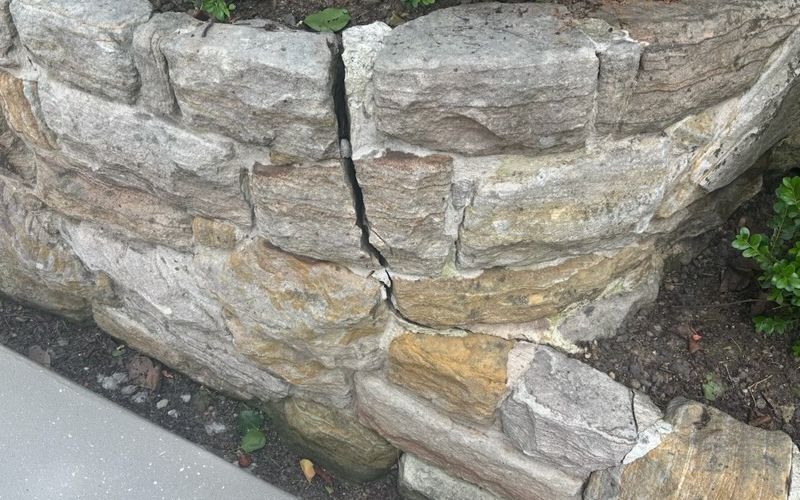
- New cracking, staining or damp patches after heavy rain
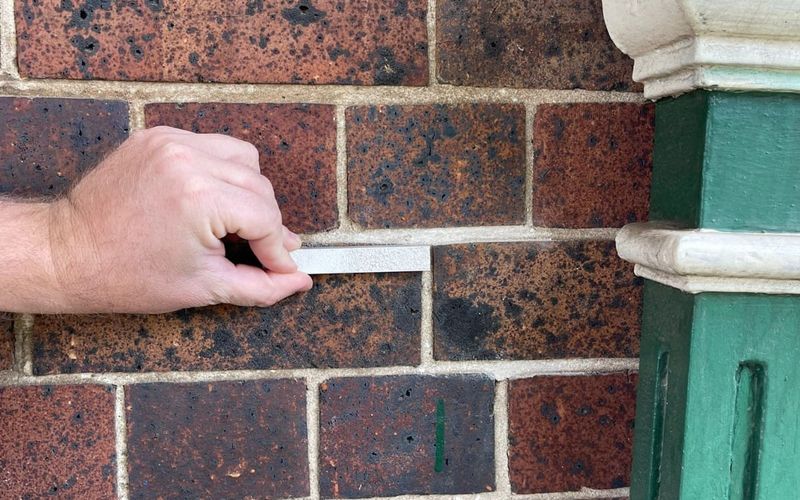
- Mortar joints for gaps, crumbling, or previous cement repairs that may be trapping moisture rather than shedding it — hard cement repairs can do more harm than good
- Brick or sandstone surfaces for flaking, powdering or fretting — early signs of sandstone deterioration
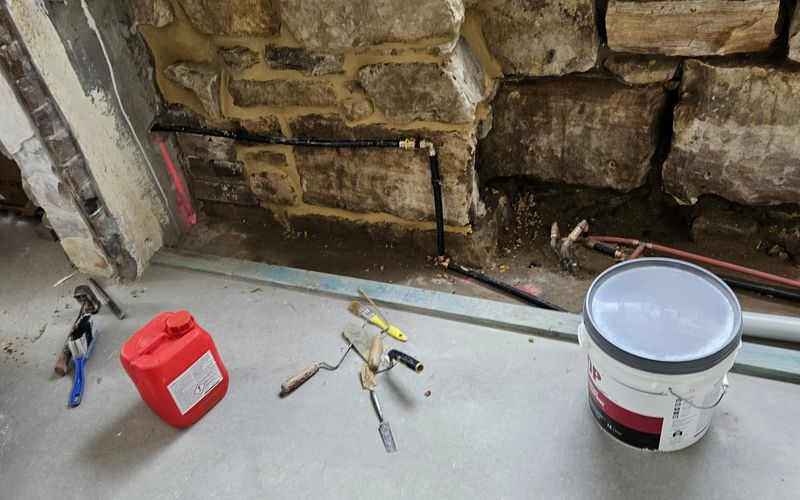
- White, powdery deposits at the base of walls, which can point to salt damage or rising damp rather than simple dirt
Render, paint and decorative finishes
Decorative and applied finishes are usually the first visible sign that something behind them — moisture, movement or a failed substrate — needs attention.
- Flaking, blistering or bubbling paint and render, especially near ground level
- Ornamental plaster, cornices, mouldings and other decorative finishes for movement, cracking or loss of detail
Ground levels and drainage around the building
Ground level creeping up against a wall over the years — through garden beds, mulch or repeated paving — is one of the most common and least noticed causes of ongoing damp problems.
- Garden beds, mulch or paving that may have raised ground level against the base of a wall
- Downpipe discharge points and any signs of water pooling against foundations
Previous repairs
- Earlier repointing, render patches or damp treatments are still performing as expected
- Anything that looks like it's recurring in the same spot as a previous repair
Common Problems This Checklist Catches Early
A handful of issues show up repeatedly during these checks, and each is a diagnosis on its own rather than a single fix:
- Sandstone that's flaking, crumbling or losing surface detail — Reading the Signs: How to Recognise Sandstone Deterioration Before It Becomes Structural
- White salt deposits, damp patches or a musty smell at low level — Understanding Salt Damage and Rising Damp in Older Masonry
- Crumbling mortar or brickwork that's previously been repointed with cement — Why Mortar Choice Matters: Lime-Based Repointing for Heritage Brickwork
None of these are diagnosed from a checklist, or from photos — they're a prompt to look closer, or to have someone else look closer.
Heritage Listing, Conservation Areas and Council Approval
Before any external work is carried out on a heritage or character property — including relatively minor repairs — it's worth understanding what controls actually apply. A property can be individually heritage-listed, sit inside a heritage conservation area (HCA), sit inside both, or neither, and the approval pathway differs accordingly.
Many councils treat genuine maintenance and like-for-like repair differently to a full development application. The City of Sydney, for example, allows an exemption from development consent for certain heritage works — its guidance lists like-for-like repairs such as fixing a malfunctioning window or replacing rusted gutters as examples. North Sydney Council runs a separate Heritage Maintenance approval for small-scale and minor works that don't affect a property's heritage significance. Requirements vary by council and by a property's exact listing status, so a short conversation with the relevant council — or a heritage-aware contractor — before work starts is worth the time it takes.
When to Book a Professional Assessment
Small, early interventions are almost always less invasive and less costly than repairs carried out after a problem has been left to develop. If any of the checks above raise a question — a damp patch that keeps returning, mortar soft enough to scrape out by hand, sandstone shedding surface material — an on-site assessment is the most reliable way to tell a minor, monitorable issue from something that needs addressing sooner. Photos can flag that something is worth looking at; they can't reliably tell you why it's happening, which is what actually determines the right repair.
Stoneline Heritage Restoration carries out assessment-led inspections across Sydney and NSW, covering sandstone and stone restoration, brick, mortar and repointing, and salt damage and rising damp — you can see the full range on our services page. If any of the checks above have raised a question about your property, request a site assessment and we'll take a proper look before recommending anything.
Frequently Asked Questions
How often should a heritage or character property be inspected?
A walk-around two to four times a year, plus a check after any period of heavy rain, is enough to catch most developing problems while they're still minor and inexpensive to fix.
Does routine maintenance on a heritage-listed property need council approval?
Often not, but it depends on the council and the exact scope of work. Many councils separate genuine maintenance and like-for-like repair from work that needs a development application or a heritage exemption request — check with the relevant council before starting, particularly for anything beyond a like-for-like repair.
What's the difference between maintaining and renovating a heritage property?
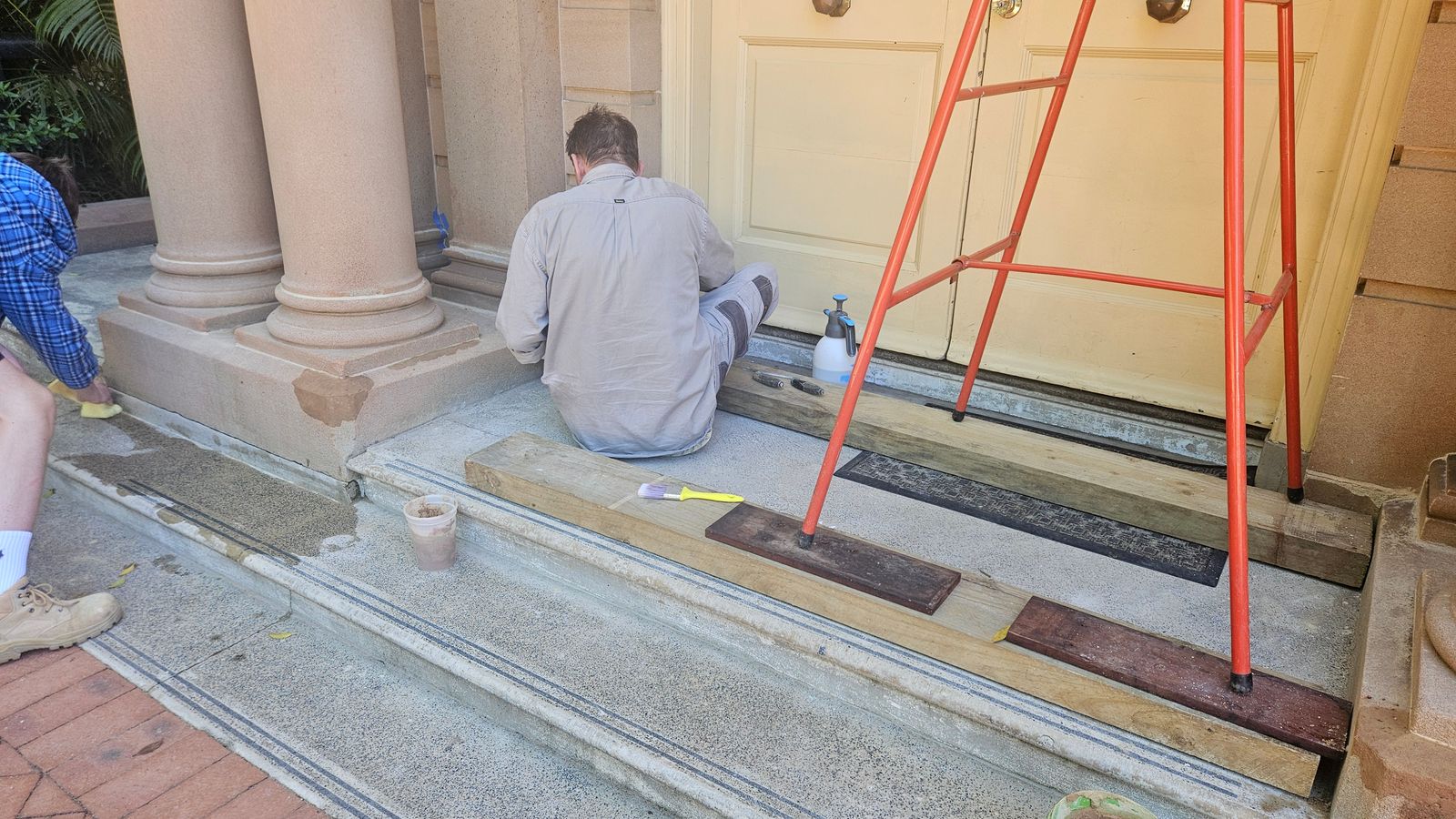
Maintenance keeps existing original fabric — stonework, render, joinery, roofing — in good condition using compatible materials and methods. Renovation changes or upgrades the building. The distinction matters for both heritage approval and material compatibility: a maintenance repair carried out with the wrong material, such as dense cement mortar in a lime-mortar wall, can cause more damage than the original defect.
Can I do heritage property maintenance myself?
Simple checks — clearing gutters, watching for new cracks or damp, keeping garden beds clear of walls — are reasonable for most owners to carry out themselves. Repairs to stonework, mortar, render or drainage are a different matter: getting the material or method wrong can cause more damage than the original issue, and can affect heritage compliance on a listed property.
What does a professional heritage assessment actually involve?
An assessment-led inspection looks at the property's heritage or listing status, inspects the moisture and masonry condition on site, and documents the likely causes — including where there's genuine uncertainty — before recommending a scope of work and noting any approval that scope would need.
Does this checklist apply to strata or commercial heritage buildings?
Yes, with one difference: responsibility. An owners corporation is responsible for maintaining and repairing common property such as external walls and facades, and is expected to plan for it through a capital works fund rather than leaving repairs to come up as a surprise. The same checks apply, but a strata committee or building manager is usually the one who needs to act on them.
Consistent, modest maintenance is one of the most effective ways to protect a heritage or character property's value, appearance and original fabric over time — and it's almost always cheaper than the alternative.