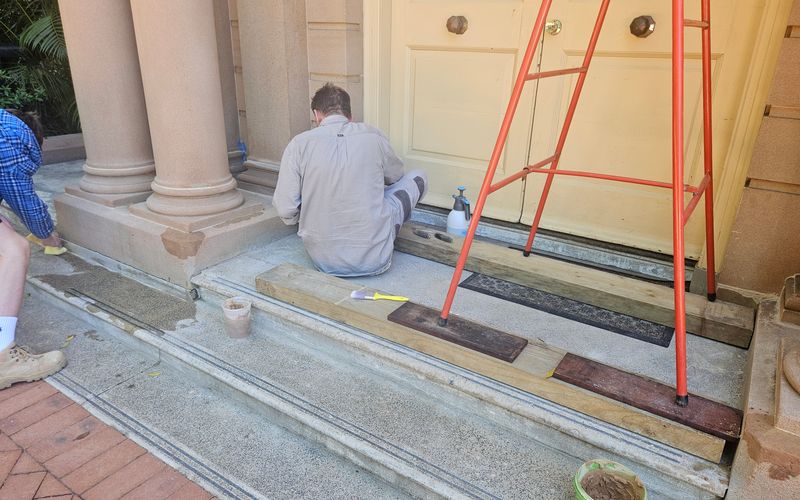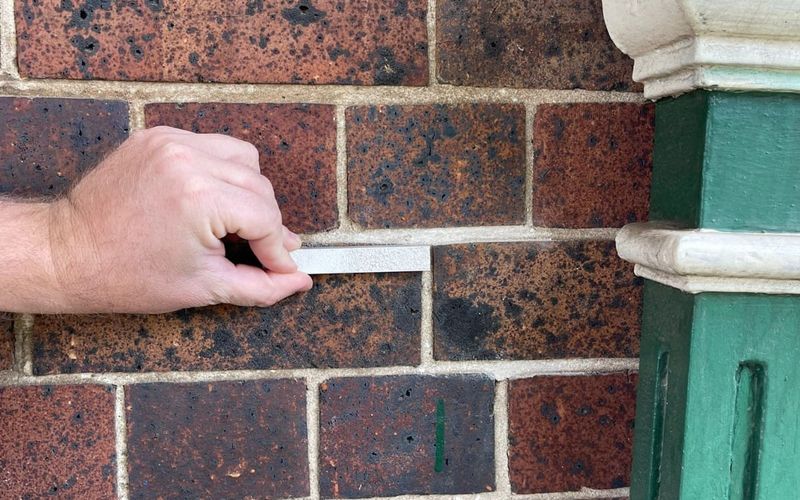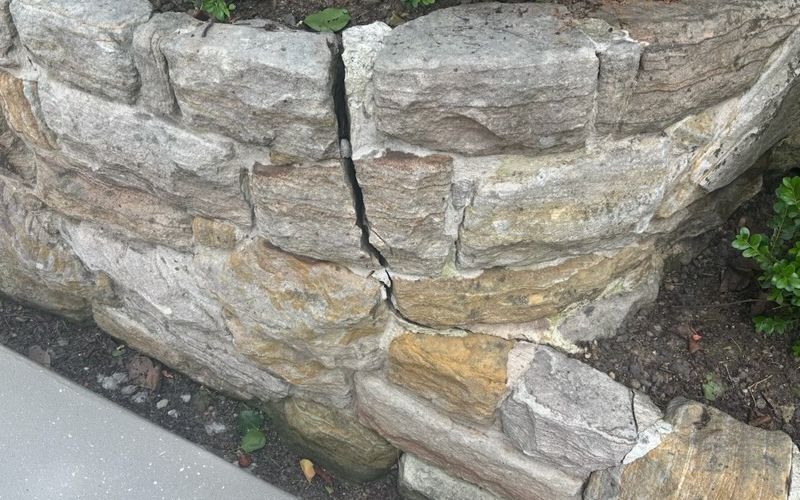
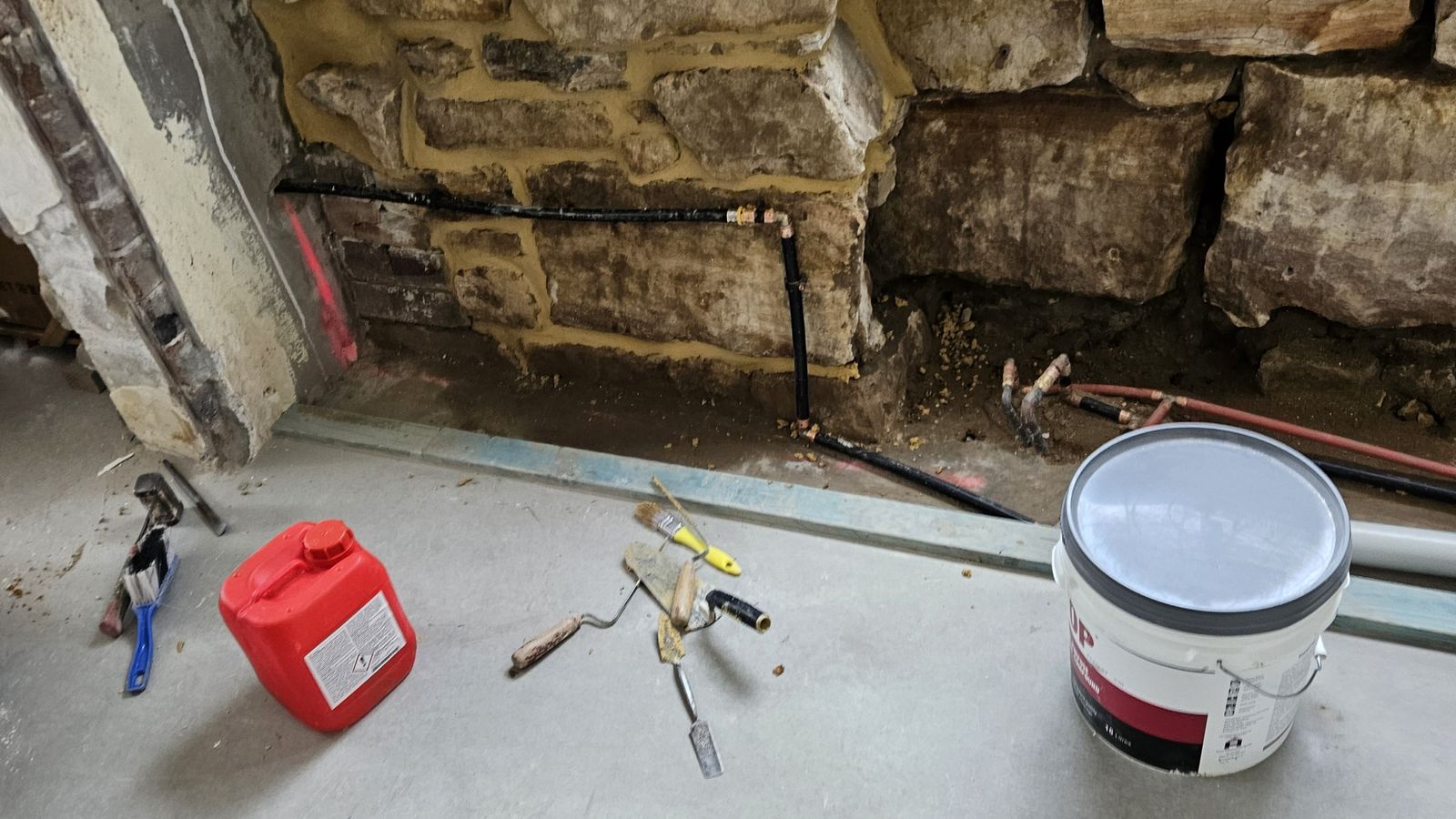
White powdery deposits, damp patches and crumbling mortar in older brick and stone buildings usually get lumped together as "rising damp," but they can point to several different problems — efflorescence, salt attack, an active leak, or genuine rising damp — each of which needs a different fix. Getting the diagnosis right matters more than getting the treatment started quickly, since treating the wrong cause rarely solves anything.
What Causes Rising Damp
Rising damp occurs when moisture moves upward through masonry via capillary action, usually because a building lacks an effective damp-proof course or the existing one has failed or been bridged (commonly by a garden bed, raised paving or render carried below ground level). Older buildings, particularly those built before waterproof membranes were standard, are especially prone to this.
How Salt Damage (Salt Attack) Develops
As moisture moves through a wall and evaporates at the surface, it can carry soluble salts with it. A widely used technical fact sheet on rising damp and salt attack explains that when the wall dries, those salts crystallise just below or at the surface, and the pressure from that crystallisation is what causes flaking, powdering, fretting or general loss of surface material in brick, stone, render and mortar — the damage comes from the salt crystals physically expanding, not from the moisture alone.
Coastal and harbourside properties have an added source: salt-laden air can deposit salts on masonry directly, on top of whatever is already moving up through the wall — which is part of why salt damage is a particularly common finding on older Sydney buildings near the harbour.
Efflorescence, Salt Attack or Rising Damp? The Difference That Matters
These terms get used almost interchangeably, but they describe different stages and severity of the same underlying process:
- Efflorescence is the visible white, powdery salt deposit on the surface — mostly a cosmetic sign that soluble salts are present and moving through the wall. On its own it doesn't confirm serious damage.
- Salt attack (salt damage) is what happens when those same salt crystals form below the surface rather than on it, physically breaking the brick, stone, mortar or render apart from within.
- Rising damp is one possible moisture source behind both — but a leaking pipe, poor site drainage, a bridged damp-proof course or condensation can produce very similar surface symptoms, and each needs a different fix.
In practice this means a white deposit or damp patch is a prompt to investigate, not a diagnosis in itself. Treating assumed rising damp with a damp-proofing product, when the real cause is a leaking downpipe or bridged damp course, generally doesn't resolve anything.
Signs to Look For
- Damp patches or tide lines at low level on internal or external walls
- White, powdery salt deposits (efflorescence) on brick or stone
- Fretting or crumbling mortar joints — especially where a wall has previously been repointed with hard cement mortar
- Peeling paint or blistering render near the base of a wall
- A persistent musty smell in ground-floor rooms
- Sandstone that's flaking, powdering or losing surface detail near ground level
Rising Damp, a Leak, or Something Else? Why an Inspection Comes First
Because rising damp, a plumbing leak, poor site drainage, a bridged damp-proof course and condensation can all produce a damp patch or salt deposit that looks similar from a distance, an accurate diagnosis usually needs more than a visual check: moisture readings taken at different heights, a look at what's happening on the other side of the wall, and checking for obvious culprits like a leaking downpipe, an air-conditioner condensate line draining against the wall, or garden beds built up against the base of the building. Skipping this step is the most common reason a damp treatment doesn't work — the wrong cause was treated.
How Treatment Usually Works
Effective treatment starts with an accurate diagnosis, since symptoms of rising damp, salt damage and simple condensation can look similar but require different approaches. Depending on the building and what's actually causing the problem, treatment can include desalination poultices to draw accumulated salts out of the masonry over a series of treatment cycles, replacement of failed mortar or render with breathable, salt-tolerant materials, correcting drainage or ground levels around the building, and — where a damp-proof course genuinely needs it — damp-proofing measures. The goal throughout is to restore the wall's ability to manage moisture naturally, rather than sealing it behind an impermeable surface.
This is also why cement-based repairs so often make salt and damp problems worse rather than better: dense, impermeable mortar forces moisture to find another way out, usually through the brick or stone face itself, which accelerates the same fretting and spalling the repair was meant to prevent.
Heritage Listing and Council Approval
Repairs to address damp or salt damage — repointing, render replacement, drainage correction — can fall under a council's heritage controls if the building is listed or in a conservation area, though many councils treat genuine maintenance and like-for-like repair differently to a full development application. Requirements vary by council, so it's worth checking before starting rather than after.
When to Book a Professional Assessment
Because these issues tend to worsen slowly and invisibly, an on-site inspection is the most reliable way to confirm what's actually causing the damage and what treatment will actually resolve it — remote diagnosis from photos alone can't rule out a hidden leak or a moisture pathway that isn't visible from the affected wall.
Stoneline Heritage Restoration carries out assessment-led inspections for salt damage, rising damp and desalination across Sydney and NSW. Request a site assessment and we'll identify the actual cause before recommending a treatment.
Frequently Asked Questions
Is efflorescence (white powder on brick) dangerous?
Not on its own — efflorescence is a surface deposit, not structural damage. But it confirms that moisture and soluble salts are moving through the wall, which is worth investigating, since the same process can cause salt attack (crystallisation below the surface) if it continues undiagnosed.
How is rising damp actually diagnosed?
Reliably, it needs an on-site inspection: moisture readings at different heights on the wall, checking for a damp-proof course and whether it's been bridged, and ruling out other sources such as leaking pipes, poor drainage or condensation. A damp patch alone doesn't confirm the cause.
Will waterproofing or a sealant fix rising damp?
Usually not on its own, and it can make things worse. Sealing the surface without addressing the moisture source or restoring a damp-proof course often traps moisture in the wall instead of letting it escape, pushing the damage to a different spot.
How long does desalination treatment take?
It depends on how much salt has accumulated and how thick the wall is — desalination is typically done over several treatment cycles rather than a single application, since it takes repeated poulticing to draw out salts that have built up over years. An assessment can give a realistic timeframe for a specific wall.
Can I treat rising damp or salt damage myself?
Simple monitoring — noting when patches appear, checking obvious causes like garden beds or downpipes — is reasonable to do yourself. Treating the masonry itself is a different matter: using the wrong mortar, render or sealant can trap moisture and accelerate damage, and on a heritage-listed property it can also affect compliance.
Salt damage and rising damp are common in older Sydney buildings, but they're rarely simple, and treating the visible symptom without finding the actual cause is the most common reason repairs don't last.