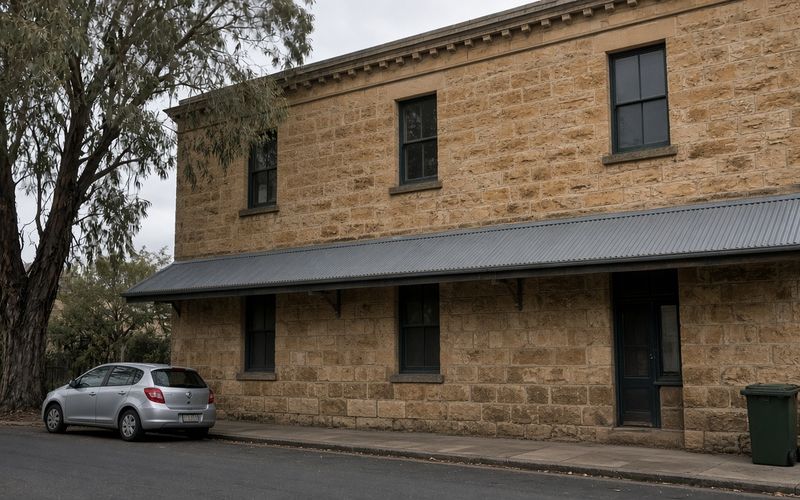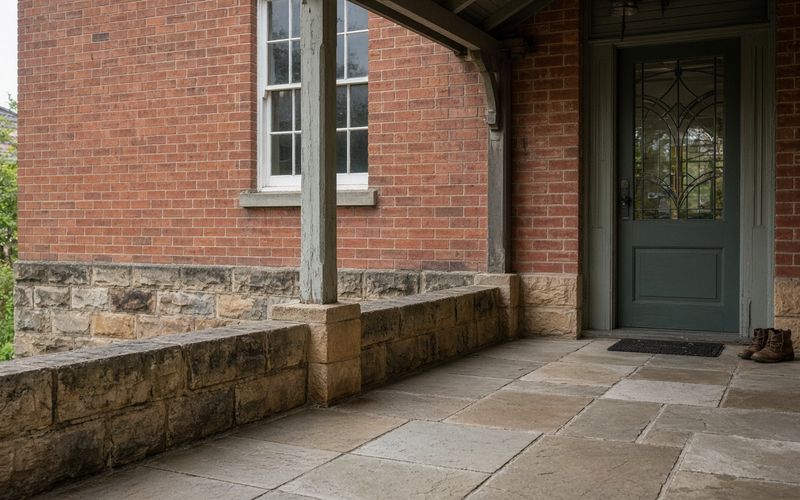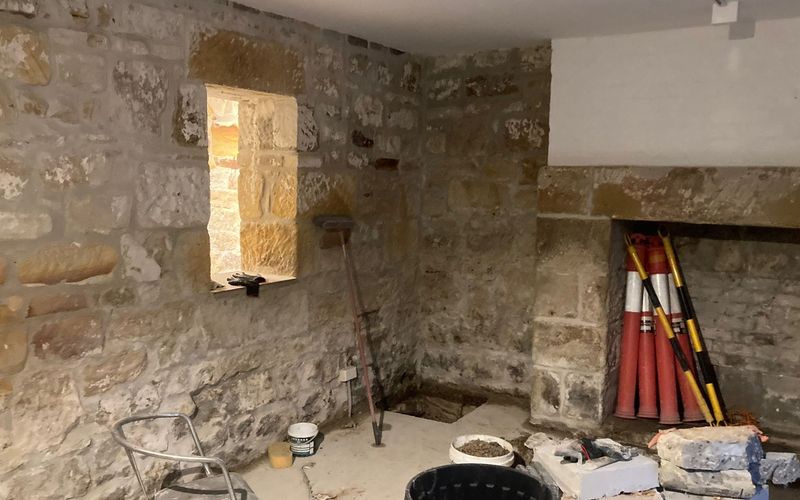
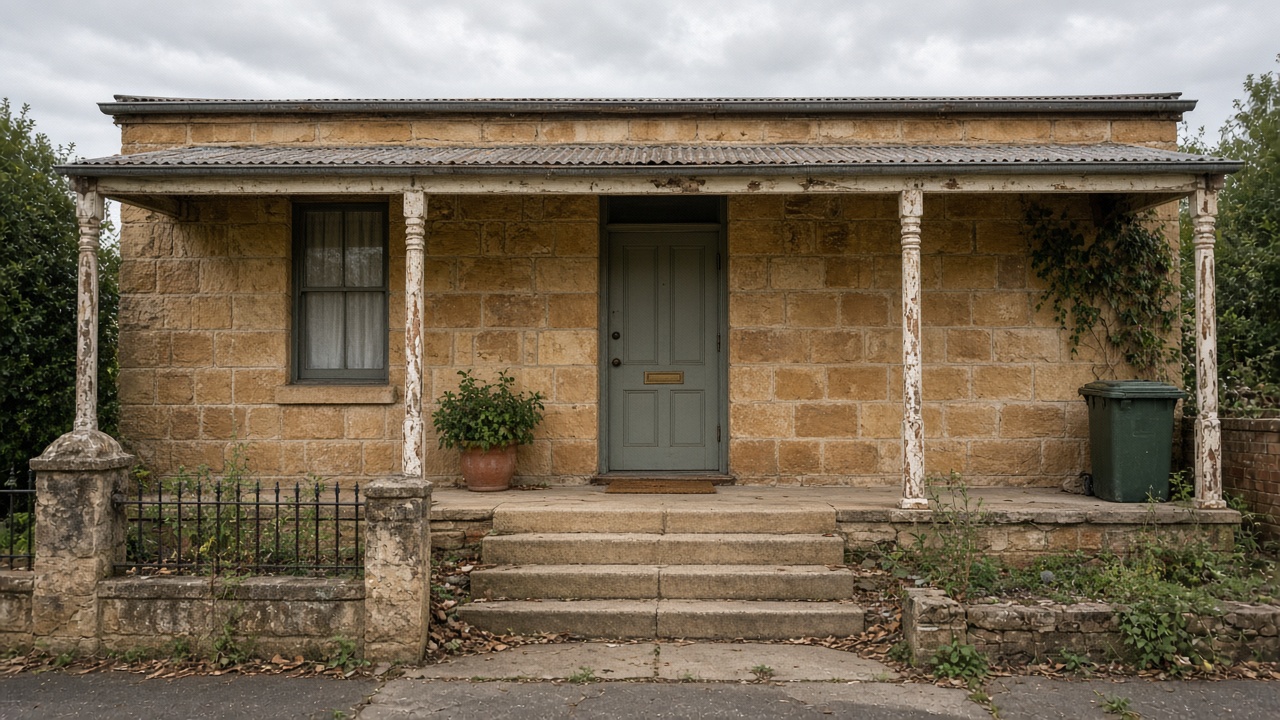
Sandstone polishing Sydney searches usually mean one of three things: a dull courtyard that someone wants brightened, indoor sandstone floors that have lost sheen, or a heritage façade that looks tired after decades of weather. Those are different jobs. Locality matters for site visits, access and knowing how Sydney salts and rain treat soft stone. It does not justify polishing every surface that looks uneven.
This supporting guide sits under sandstone restoration and repair and beside the broader stone polishing services article. Cleaning methods live on the sandstone cleaning pillar. Quotes and assessment pathways remain on sandstone restoration in Sydney.
Sydney sandstone — why “polish” is a loaded request
Much of Sydney’s historic building stone is relatively soft and permeable compared with dense commercial granites. Harbour and coastal suburbs add salt crystallisation; shaded southern elevations grow biological films; western faces take weather. A contractor who treats all sandstone like a kitchen benchtop will over-abrade façades and under-explain moisture.
Before anyone discusses grit sequences, establish:
Indoor floor / stair versus outdoor paving versus façade / carved work.
Whether the complaint is soiling, coating failure, fretting, or simply natural variation.
Any earlier colour-enhancing sealer, acrylic or cementitious patch.
Heritage listing or conservation-area controls on visible change.
Photograph dry and after rain. If white powder or sandy deposits dominate, read efflorescence on brick and sandstone first. Early decay patterns are summarised in recognising sandstone deterioration.
When sandstone polishing (or honing) is appropriate in Sydney
A refined finish can be justified when the stone is sound and the use calls for it — for example:
Selected indoor sandstone floors after coatings are assessed and removed if unsuitable.
Paving or pool surrounds where installation marks, grout smears or failed enhancers need correction, then a controlled hone (not necessarily a high gloss).
Modern or replacement units intended to read as a finished architectural surface, with samples approved.
Agree sheen level in writing. Outdoor wet sandstone that is highly polished can be slippery; a honed finish is often the more responsible specification for paving. Façade stone that still carries original tooling usually needs cleaning and repair, not mirror polish — see the parent restoration guide.
When Sydney conditions say “stop”
Do not polish (or postpone until repaired) when:
Faces are fretting, laminating or shedding grains.
Salts keep returning after washing.
Joints are open and feeding the wall.
The elevation is significant weathered heritage fabric whose value is the aged surface.
The only brief is “make it look new” without assessment.
Access would require polishing overhead soft stone without making-safe.
In those cases, cleaning trials and compatible repair protect more value than abrasive finishing. A heritage stone mason may be needed for indents and joint work before any finish discussion.
Local access, strata and weather windows
Sydney work often involves narrow terraces, occupied apartments, CBD pedestrian controls and harbour-facing elevations. Slurry from polishing must not enter stormwater unchecked; dust must be managed in shared corridors; wet weather delays outdoor honing. Ask whether the quote includes:
Protection of adjoining brick, metalwork and gardens.
Water and slurry capture.
After-hours or staged access for strata.
Scaffolding or platforms if edges and steps are involved.
Contingency if trials show coatings harder to remove than photos suggested.
A cheap “polish the courtyard” rate that omits these items is incomplete.
Coatings, enhancers and the Sydney pool-surround pattern
Colour-enhancing sealers are frequently applied to new sandstone paving and pool surrounds. When they darken unevenly or lock in installation marks, owners search for polishing as the cure. Sometimes controlled sealer removal and precise de-grouting recover the intended natural tone without a high polish — a pattern reflected in Stoneline project storytelling. Treat “polish” enquiries as coating and installation diagnostics first; finish second.
Ask what product was used previously, when it was applied, and whether a small removal trial is proposed before whole-area abrasion.
Matching finish to repair programmes
If the same elevation needs indent repairs, lime pointing and a refined ledge finish, sequence matters. Repair and cure before final honing so new work is not stained by slurry or polished to a different plane. Sample panels should include both repaired and original stone viewed dry. Coordinate trades so one programme’s waste does not undo another’s joints.
Protective treatments after polishing remain optional and condition-dependent. They do not fix rising damp or failed flashings. NSW guidance on salt attack and rising damp still applies when moisture is part of the story.
Cost and quotes for sandstone polishing in Sydney
Compare:
Measured area and which surfaces are included.
Coating removal and trials.
Target finish (hone vs polish) and edge detail.
Access, protection, slurry control and waste.
Related masonry repairs priced separately.
Handover care advice.
There is no single honest city-wide rate. Coastal salt exposure, soft historic faces and heritage documentation change both method and time. Polishing does not guarantee higher sale price; it delivers an agreed surface — or reveals that repair should come first.
How to brief a Sydney specialist
Send:
Address and whether stone is indoor, paving or façade.
Wide photos plus close-ups; dry and after rain if possible.
Known products, earlier repairs and heritage status.
Access limits (strata rules, parking, occupied rooms).
The outcome you want in plain language (“even, natural hone” vs “high gloss”).
Ask the contractor to say when they would refuse to polish. That answer often reveals more than a portfolio of shiny floors. Stoneline Heritage can discuss whether sandstone restoration, cleaning, honing or a combined scope fits — starting from condition, not from a finish label.
Suburb patterns without pretending every street is listed
Inner and harbour suburbs often combine soft historic sandstone with later alterations, hard cement patches and shared walls. Western Sydney character stock may use different sandstone or reconstituted products with different abrasion tolerance. The suburb name does not establish heritage status or the right finish — the address, fabric and controls do.
Use the NSW State Heritage Inventory and the relevant council as starting points. Inner West, City of Sydney, North Sydney, Woollahra and other councils publish conservation-area information; Sutherland and further afield have their own maps. Ask your contractor to distinguish local listing, conservation-area contributory fabric and simply older unlisted stone. Technical method may be similar while paperwork differs.
Trial panels that actually represent Sydney exposures
A shaded courtyard trial does not prove how a north-west facing paved terrace will look after summer. Run trials on representative exposures: sun, shade, splash zones near pools, and high-traffic thresholds. Record product, grit sequence and dry colour. View samples at midday and late afternoon — Sydney light changes how sheen reads.
If biological growth is part of the dull appearance, ask whether a biocide or mild clean is proposed before abrasion. Polishing green slime into the pores is not a finish strategy. Persistent damp shade may need landscape or drainage changes as much as stone work.
Coordination with brick, render and metalwork
Many Sydney terraces and Federation houses mix sandstone base courses with brick above, or sandstone sills in brick walls. Slurry from sandstone honing can stain soft brick and metal flashings. Protect junctions; sequence pointing and polishing so new lime joints are not washed with abrasive residue. Where render meets stone, confirm which trade owns the junction before machines start.
Façade cleaning programmes on multi-storey street fronts may use rope access or scaffold shared with masons. Agree who controls water runoff so polishing at ground level does not undo upper-level cleaning — or vice versa. Link up to restoration sequencing when several packages share one elevation.
Aftercare specific to Sydney outdoor sandstone
Outdoor honed sandstone still collects leaf tannins, barbecue fat near entertaining areas and pool splash chemistry. Spot-clean promptly; avoid repeated aggressive washing that erodes joints. Recoating — if specified — should follow product intervals and stop if moisture symptoms return. Keep overflow paths clear after summer storms; water sitting against paving edges recreates the dull, salt-marked look owners hired polishers to remove.
Indoor sandstone near entries tracks Sydney beach and park grit. Mats and routine dry sweeping protect the finish better than monthly harsh cleans. Handover should say so in plain language.
Indoor versus outdoor sandstone in the same Sydney property
It is common for a terrace or Federation house to have sandstone front steps and base courses outdoors, with sandstone hearths or floors indoors. Do not assume one polish specification covers both. Outdoor stone faces UV, salt-laden wind and irrigation overspray; indoor stone faces grit from shoes and different cleaning chemistry. Specify each zone separately, with its own trial if finishes will differ.
Where outdoor steps connect to indoor halls, plan a transition strip or accept a slight sheen change — forcing identical high gloss through a weather threshold often fails first at the door line.
Frequently asked questions
Can all Sydney sandstone be polished?
No. Soft, weathered or salt-affected façade stone often should not be. Sound floors and selected paving may suit honing or polishing after assessment.
Is sandstone polishing the same as cleaning?
No. Cleaning removes soiling; polishing changes surface texture and sheen. Many “dull stone” complaints need cleaning or coating removal first.
Will polishing stop sandstone from weathering?
No. Weather, salts and moisture still act. Fix joints and damp sources; treat polish as appearance and maintenance of suitable surfaces only.
Do heritage approvals matter for polishing?
Visible change on listed buildings or in conservation areas can require advice or approval. Check early; do not assume “maintenance” covers a new high-gloss finish.
Who should I hire — a polisher or a stone mason?
If decay, open joints or indents are present, start with assessment-led masonry / restoration capacity. Pure floor polishing on sound modern stone may suit a finishes specialist. See stone mason Sydney — heritage.
How do I start?
Photos, address, access notes and a clear finish goal. Expect a trial before whole-area work.