
News & Restoration Notes
Practical guidance for caring for older buildings in Sydney and NSW. Start with our restoration guide, or explore advice on renovation planning, stonework and damp below.
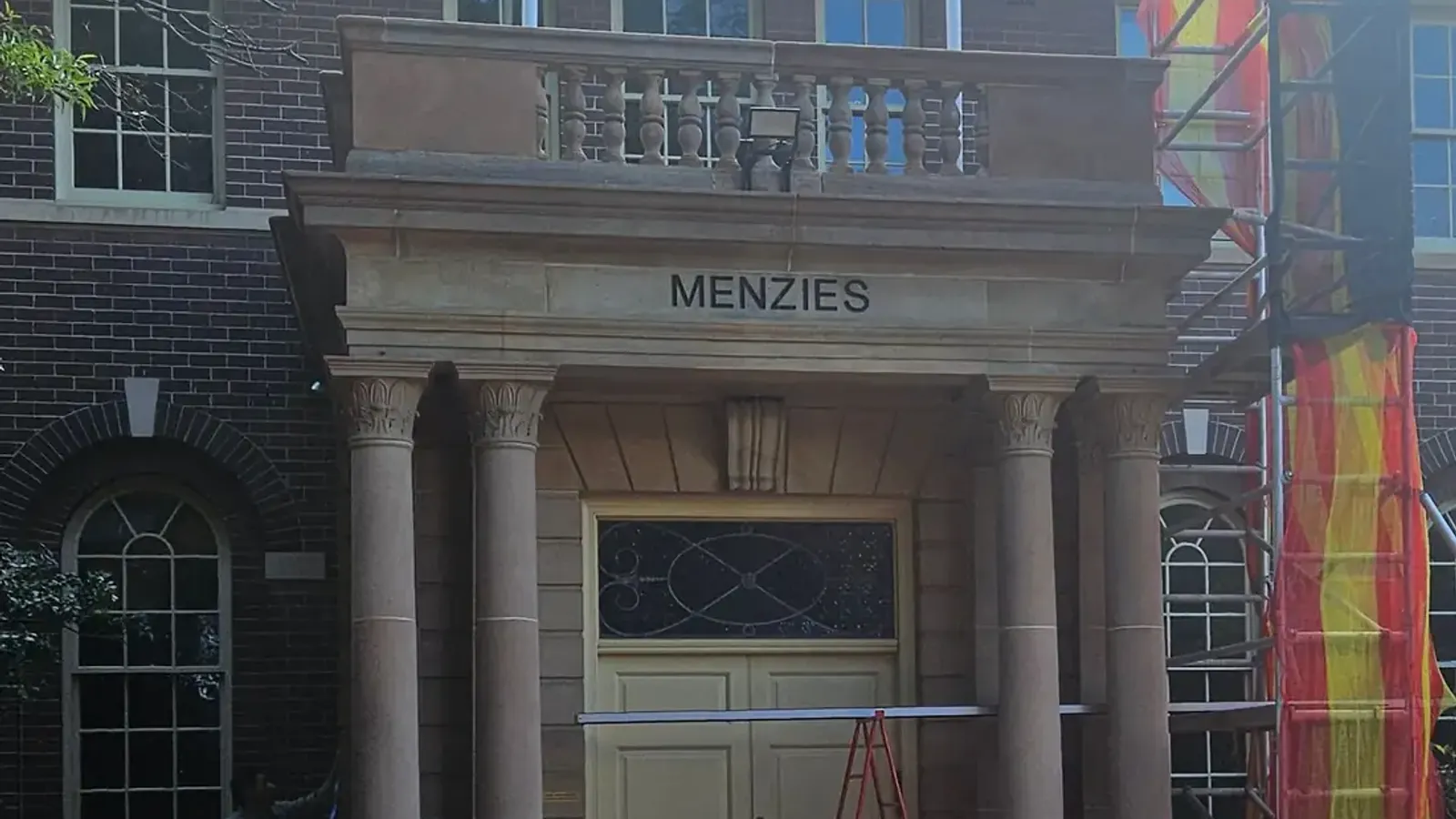
Heritage Building Restoration in NSW: A Practical Guide
Plan heritage building restoration in NSW with practical advice on assessments, approvals, compatible repairs, costs and long-term maintenance.
Read the restoration guideHeritage Maintenance Tips
Older buildings reward attention before a small defect becomes a large repair. These notes cover a yearly look over heritage and character homes across Sydney and NSW, the early signs that deserve a professional opinion, and how a listing or a heritage conservation area affects even minor work. They also show how strata committees and facility managers can plan masonry maintenance on a schedule. The aim is the least intervention that keeps the building sound.
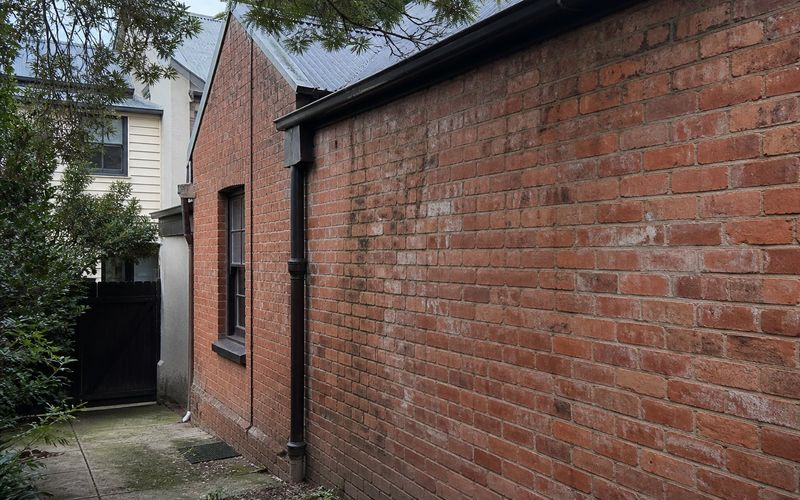
A Yearly Masonry Inspection Checklist for Strata and Institutional Buildings
A yearly walk-around of every elevation, with photographs and a written record, turns small masonry defects into minor repairs before the next wet season.
Limewash, Mineral Paint or Acrylic: Choosing a Finish for Older Masonry
Limewash and mineral-based finishes stay breathable on older masonry. A film-forming acrylic can trap moisture and salt. Choose from the substrate, not from a label.
A Strata Committee's Checklist for Heritage Facade Restoration
Confirm how the building is listed, assess the fabric, and deal with safety and leaks before like-for-like repair. Replace only what cannot be kept.
What Should a Heritage Masonry Restoration Quote Include?
A heritage restoration quote should set out scope, access, materials matching, trials, exclusions and records. Comparing price alone does not work on old masonry.
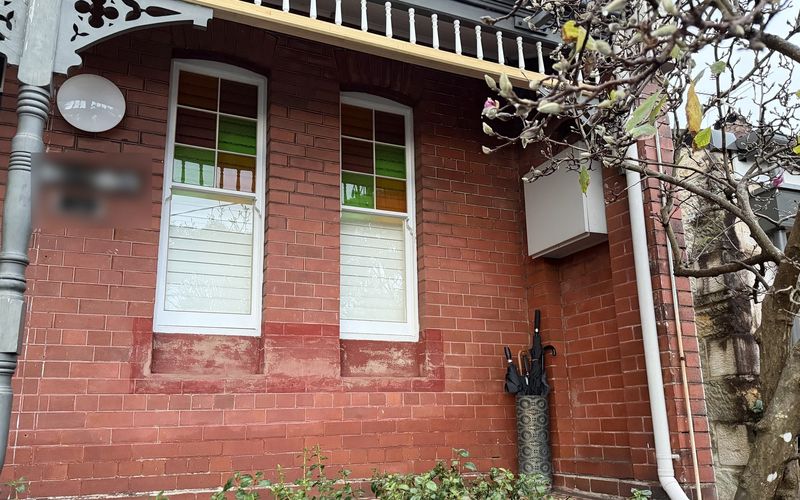
Do I Need Council Approval to Repair a Heritage House in NSW?
Approval for heritage repair in NSW depends on the listing type and the work proposed. Here is how local items, conservation areas and state items differ.
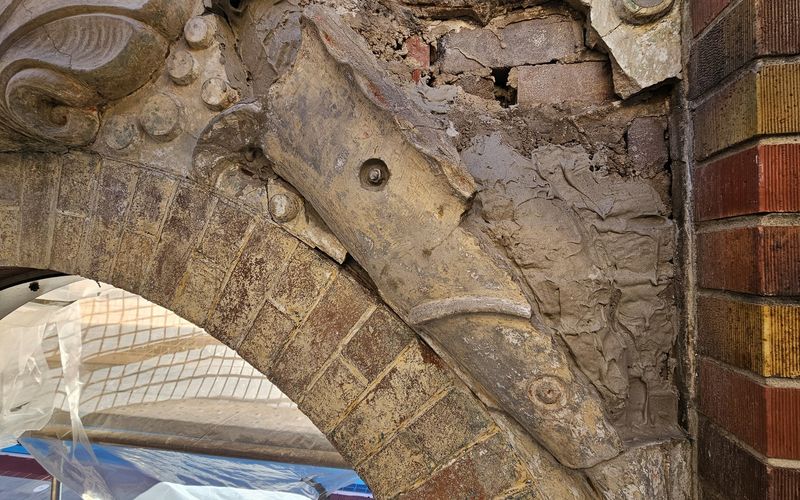
Strata Facade Repairs in NSW: Responsibility, Scoping and Staged Delivery
Who pays for facade repairs in an NSW strata building, how the committee scopes and procures the work, and how repairs are staged while units stay occupied.
Stonework & Repointing Guides
Repointing is the most common repair on older masonry, and one of the easiest to get wrong. These guides explain how to read failed joints in brick and sandstone, why lime mortar matters on a soft original wall, and how mortar colour and joint profile are matched on Federation and Victorian brickwork. They also cover what tuckpointing involves, and when a pieced repair is the right choice rather than renewing the whole wall.
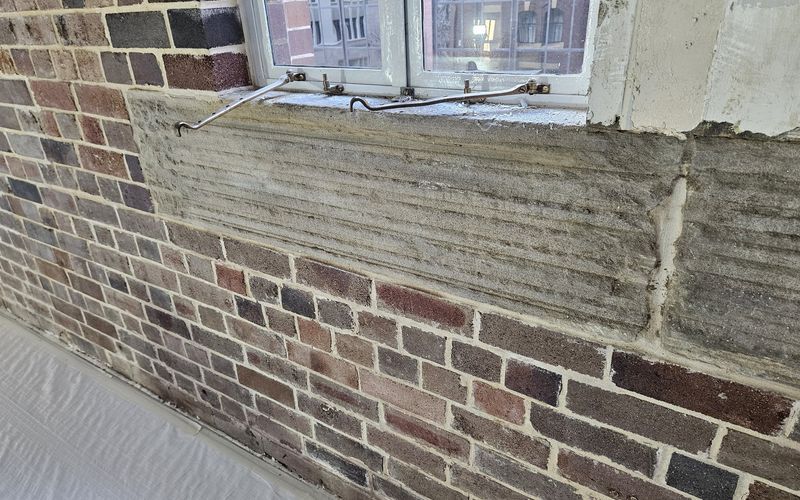
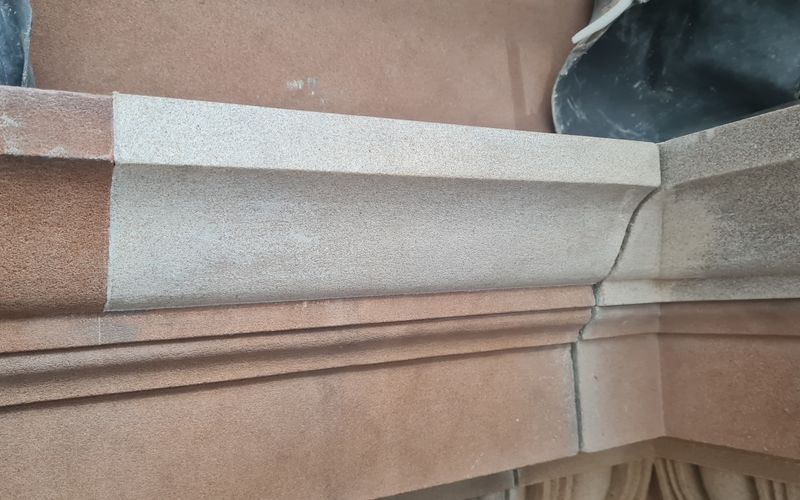
Dressed Sandstone on Heritage Buildings: How Tooled Faces Are Read and Matched
What dressed sandstone is, how tooling marks, margins and profiles are read on an older building, and how indents and new units are matched to surviving faces.
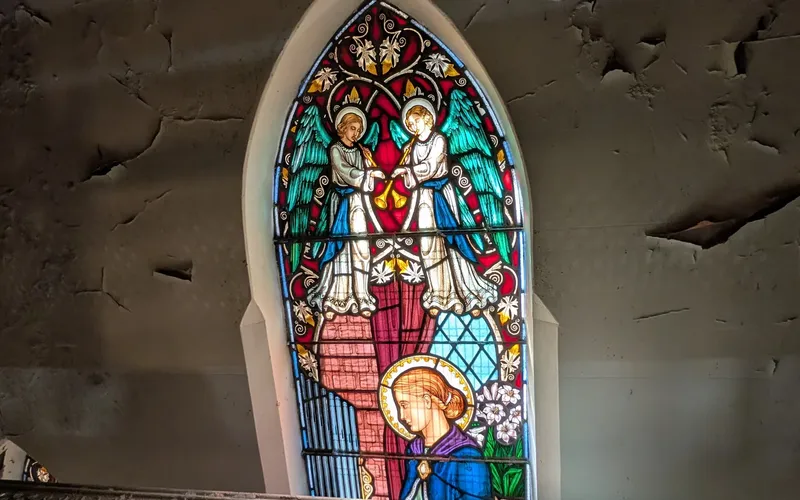
Lime Plaster on Older Walls: When Lime Plaster Walls Are the Compatible Finish
When lime plaster is the compatible finish on an older wall: how it differs from cement plaster and lime render, what to check before a repair, and how to paint it.
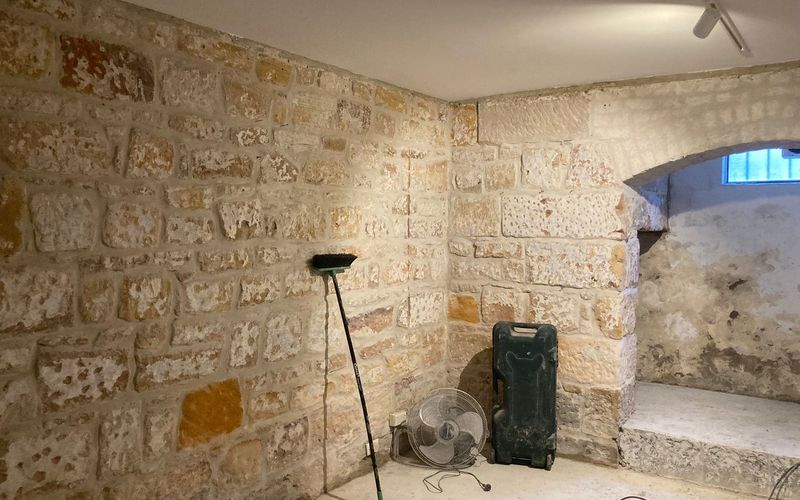
Stonework Repair on Heritage and Period Buildings in Sydney
How stonework repair on heritage and period buildings in Sydney and NSW is assessed and done — indents, compatible mortar repairs, consolidation, and replacement where a unit cannot be retained.
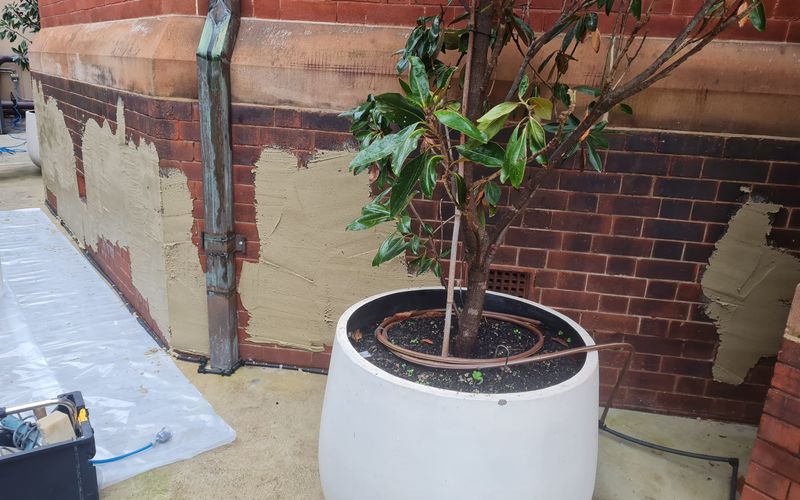
Lime Render on Heritage and Period Buildings in Sydney and NSW
Why lime render is used on heritage and period buildings, how it differs from cement render, and what to check before a repair or a new coat of paint.
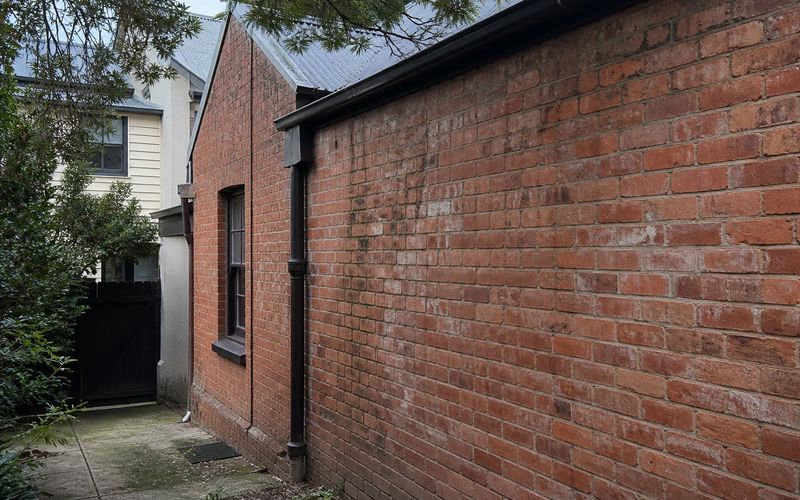
Fretting Brickwork on Older Buildings: What It Is and What to Do
What fretting brickwork looks like on older walls, why moisture and salt drive it, and how a heritage specialist assesses and repairs it.
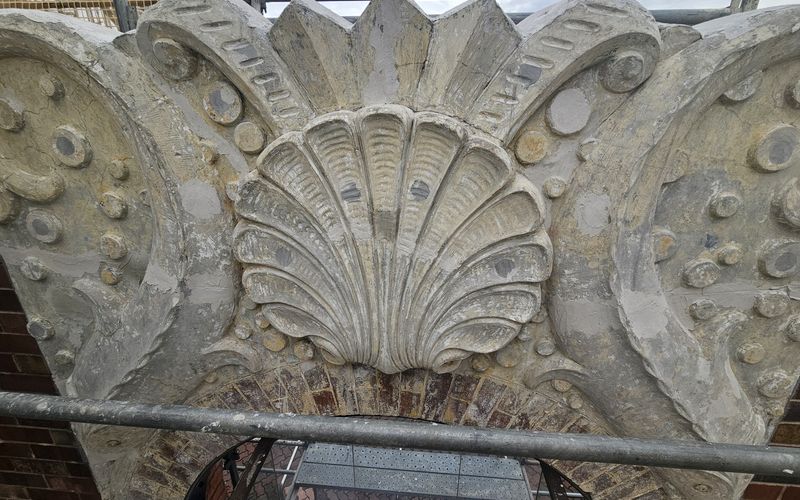
Carved Stone Repair on Heritage Buildings: Reinstating Lost Detail from Evidence
Carved stone repair records the surviving profile first, then repairs in place, indents with matched stone, or replaces only the units that cannot be retained.
Damp & Moisture Solutions
Most decay in older masonry starts with moisture and the salts it carries. These articles separate rising damp from condensation and other sources, and they explain why efflorescence and salt attack return after a clean if water is still getting in. A sound response maps the moisture, draws salts out with poultices in stages, keeps renders and paints breathable, and repairs the source of the water. Quick chemical treatments rarely last on heritage buildings in Sydney and NSW.
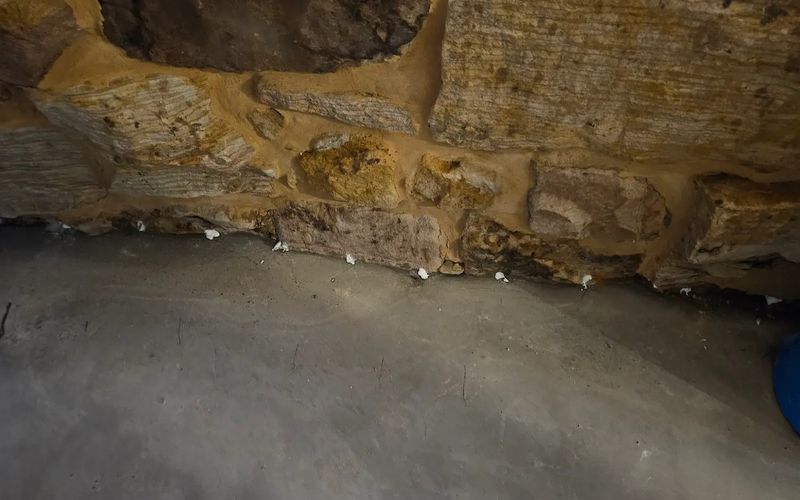
Salt-Damaged Masonry: What Affects Repair Cost and Duration?
Cost and duration follow the cause, the salt already in the wall, and the repair that waits until that salt is lower. The damp patch does not set either one.
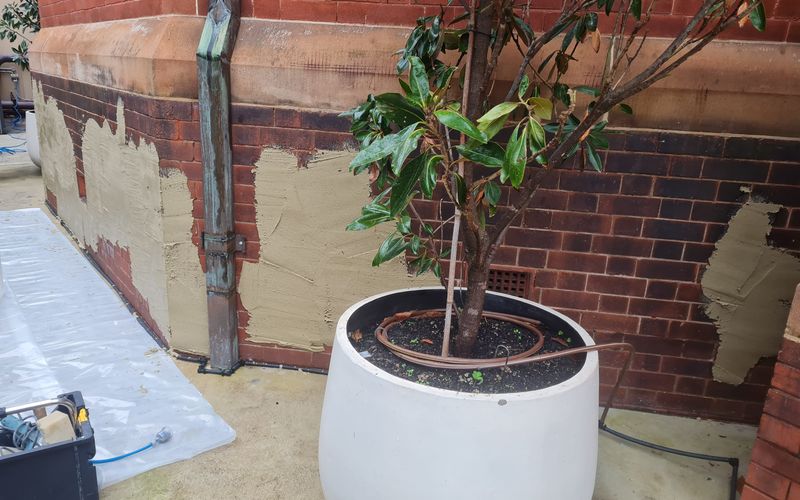
Why Efflorescence Keeps Coming Back After Cleaning
Cleaning removes the deposit, not the cause. Recurring efflorescence means moisture is still moving through the wall.
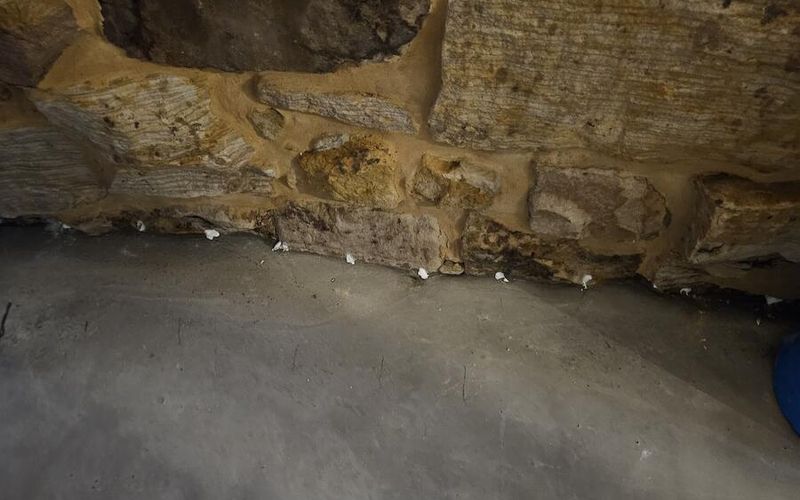
What Is Masonry Desalination? A Guide to Poultices and Staged Salt Reduction
Masonry desalination draws salts out of brick and stone with poultices, in stages, once the moisture source is understood. What that involves before repairs.
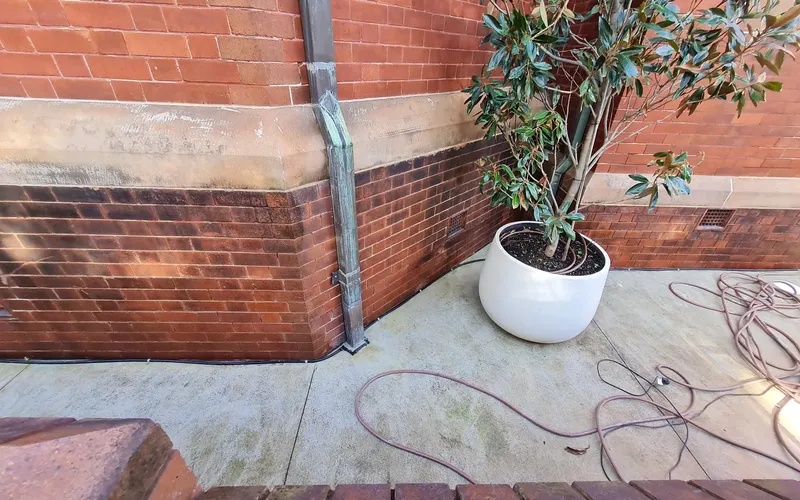
White Powder on Bricks or Sandstone: What to Check First
Learn what white powder on bricks or sandstone can mean, how to check moisture sources, and when salt damage needs specialist assessment in NSW.
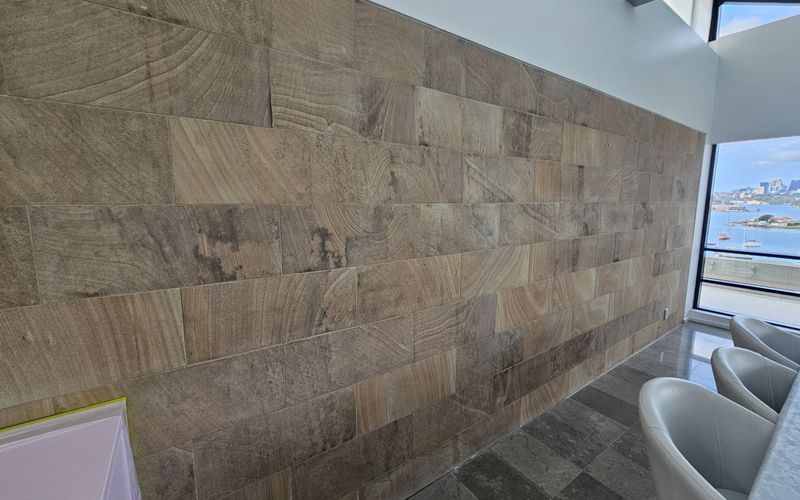
Condensation or Rising Damp? How to Tell Them Apart in an Older Home
Black mould and damp patches in winter are often blamed on rising damp — but condensation is usually the real cause. Here's how to tell them apart.
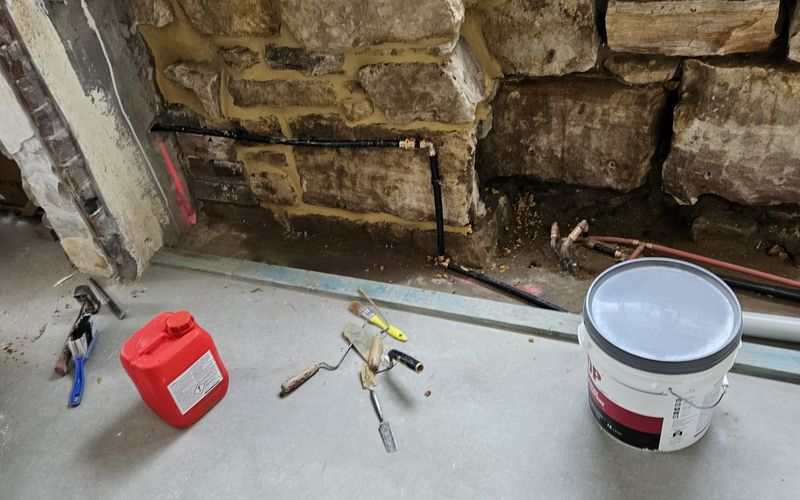
Understanding Salt Damage and Rising Damp in Older Masonry
Efflorescence, salt attack and rising damp are often confused. What causes each, how they differ, and how they're properly diagnosed and treated.
Restoration Case Studies
The same black crust on sandstone can be decades of road grime, rising salt, or an old coating that trapped moisture in the wall. These case studies show assessment-led restoration in practice: what the building presented, what investigation found, how the scope was staged, and which materials and methods were chosen. They draw on Stoneline projects around Sydney and NSW and on public conservation works, and they are plain about constraints, including work best left undone.
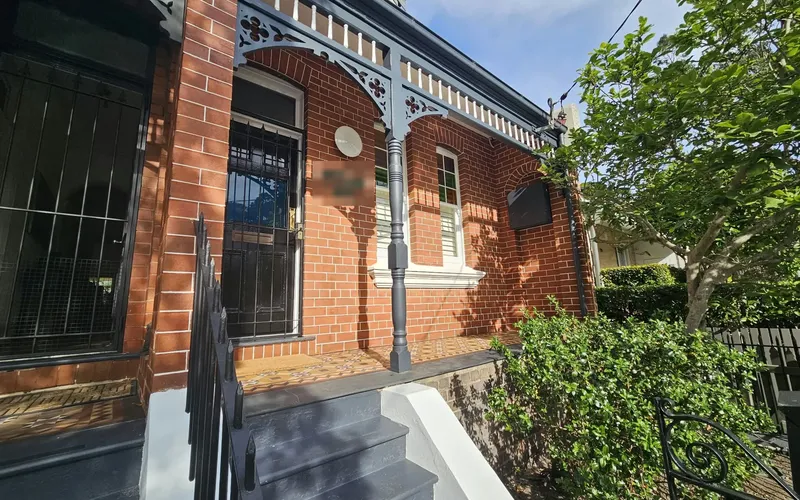
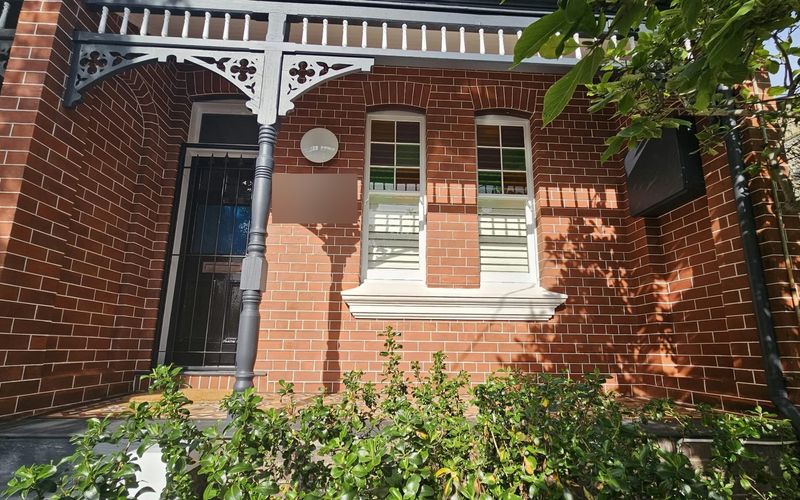
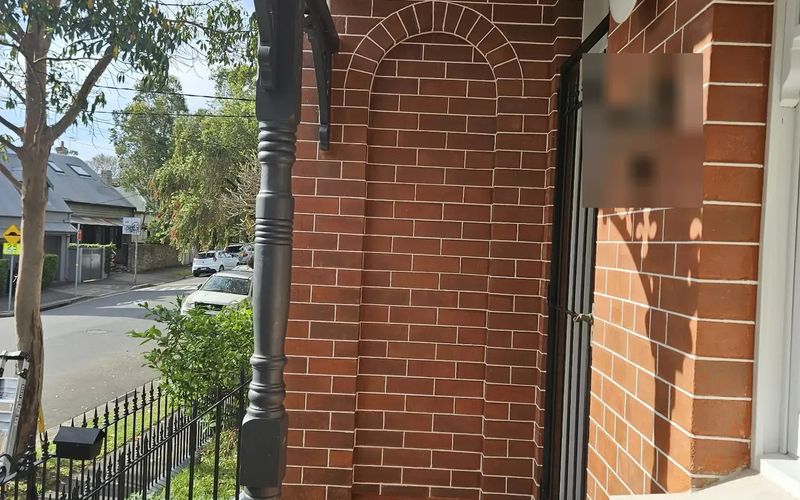
Restoring a Victorian House Façade in Balmain: Cleaning, Tuckpointing and New Window Sills
Case study: a Victorian house front in Balmain — worn painted sills rebuilt from a hand-sketched profile, then the red brick cleaned, repointed and tuckpointed.

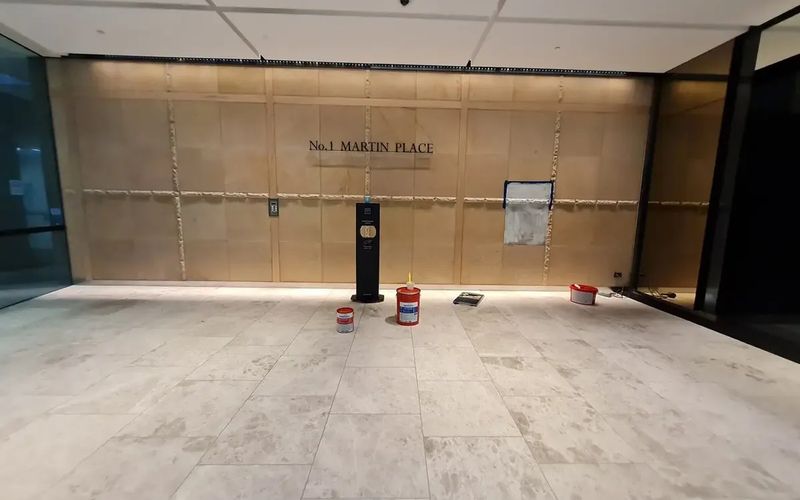
Cleaning Sandstone at No. 1 Martin Place: Waterless Peel-Off in a Sensitive CBD Setting
Case study: waterless peel-off cleaning of historic sandstone at No. 1 Martin Place, Sydney CBD — why high-pressure washing was ruled out and how the stone's texture was preserved.
All articles
Dressed Sandstone on Heritage Buildings: How Tooled Faces Are Read and Matched
What dressed sandstone is, how tooling marks, margins and profiles are read on an older building, and how indents and new units are matched to surviving faces.
Lime Plaster on Older Walls: When Lime Plaster Walls Are the Compatible Finish
When lime plaster is the compatible finish on an older wall: how it differs from cement plaster and lime render, what to check before a repair, and how to paint it.
Stonework Repair on Heritage and Period Buildings in Sydney
How stonework repair on heritage and period buildings in Sydney and NSW is assessed and done — indents, compatible mortar repairs, consolidation, and replacement where a unit cannot be retained.
Lime Render on Heritage and Period Buildings in Sydney and NSW
Why lime render is used on heritage and period buildings, how it differs from cement render, and what to check before a repair or a new coat of paint.
Fretting Brickwork on Older Buildings: What It Is and What to Do
What fretting brickwork looks like on older walls, why moisture and salt drive it, and how a heritage specialist assesses and repairs it.
Carved Stone Repair on Heritage Buildings: Reinstating Lost Detail from Evidence
Carved stone repair records the surviving profile first, then repairs in place, indents with matched stone, or replaces only the units that cannot be retained.
A Yearly Masonry Inspection Checklist for Strata and Institutional Buildings
A yearly walk-around of every elevation, with photographs and a written record, turns small masonry defects into minor repairs before the next wet season.
Restoring Tessellated and Encaustic Tile Patterns
Where original tiles survive, a faithful restoration matches the pattern, colour and laying method; missing tiles are sourced as the closest compatible match and the layout reinstated.
Graffiti Removal from Heritage Sandstone: Why a Test Panel Comes First
Graffiti on heritage sandstone needs the gentlest method the stone will accept, proven on a test panel before any full treatment.
Salt-Damaged Masonry: What Affects Repair Cost and Duration?
Cost and duration follow the cause, the salt already in the wall, and the repair that waits until that salt is lower. The damp patch does not set either one.
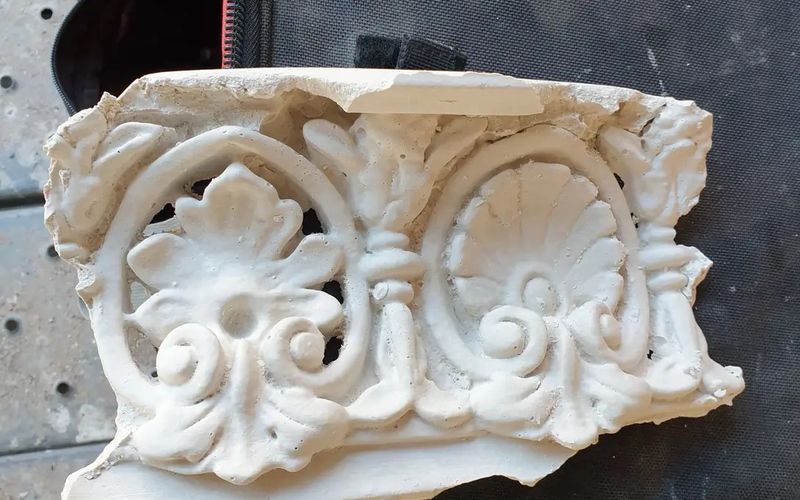
Restoring Ornamental Plaster and Mouldings from Surviving Evidence
Missing ornamental plaster is put back from fragments, profiles and records. Repair in place or cast a match, and do not invent detail that never survived.
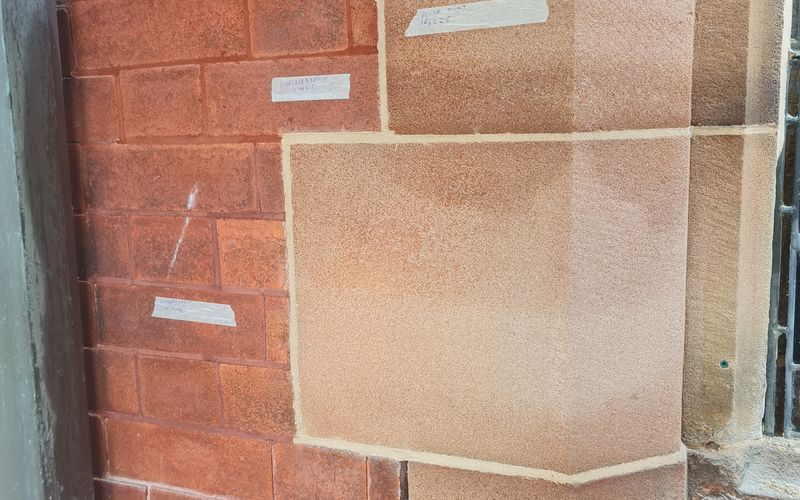
Federation and Victorian Brick Facades: Matching Mortar, Colour and Joint Profile
A sympathetic repair on Federation and Victorian brickwork starts with the joints already on the wall. Match mortar, colour and profile, and keep sound pointing.
Advice for your own property
These guides can help you prepare questions and understand repair options. The right approach depends on the building, its condition and any heritage requirements. For advice on a particular wall, room or renovation, arrange a site assessment.