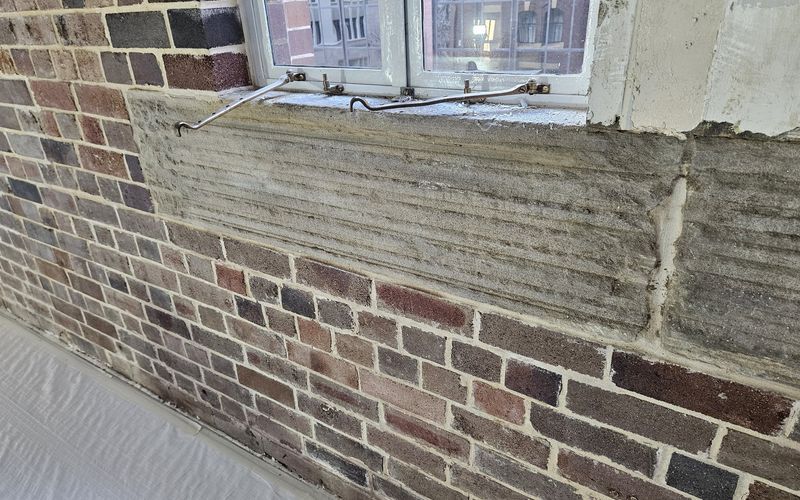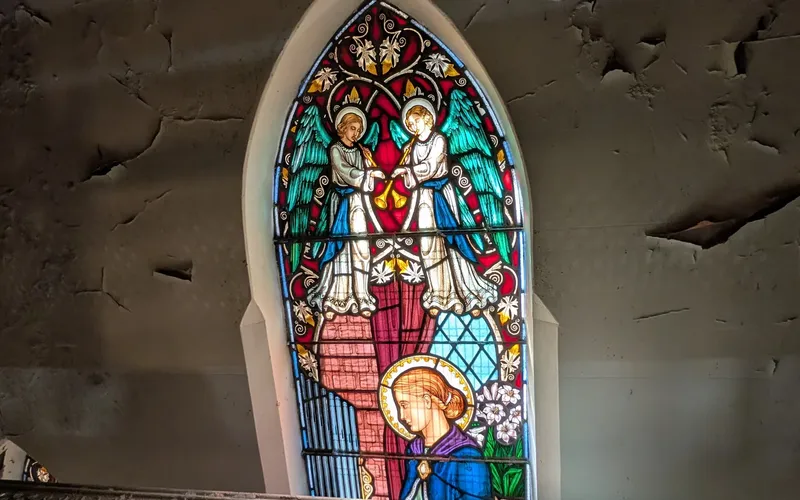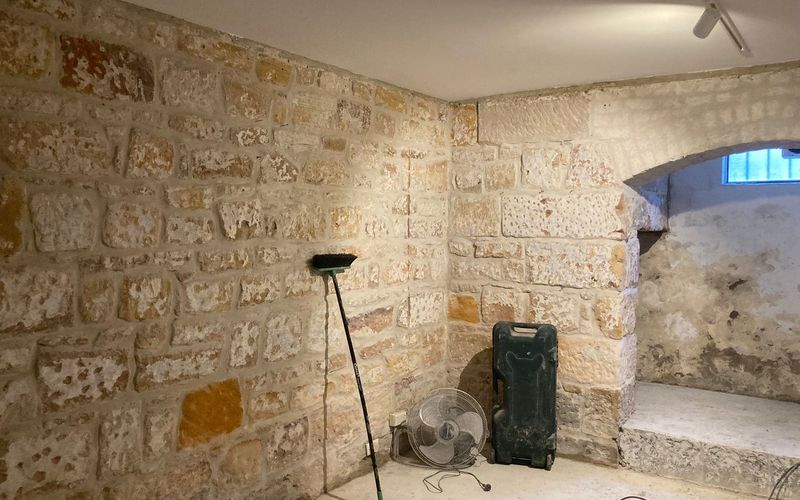
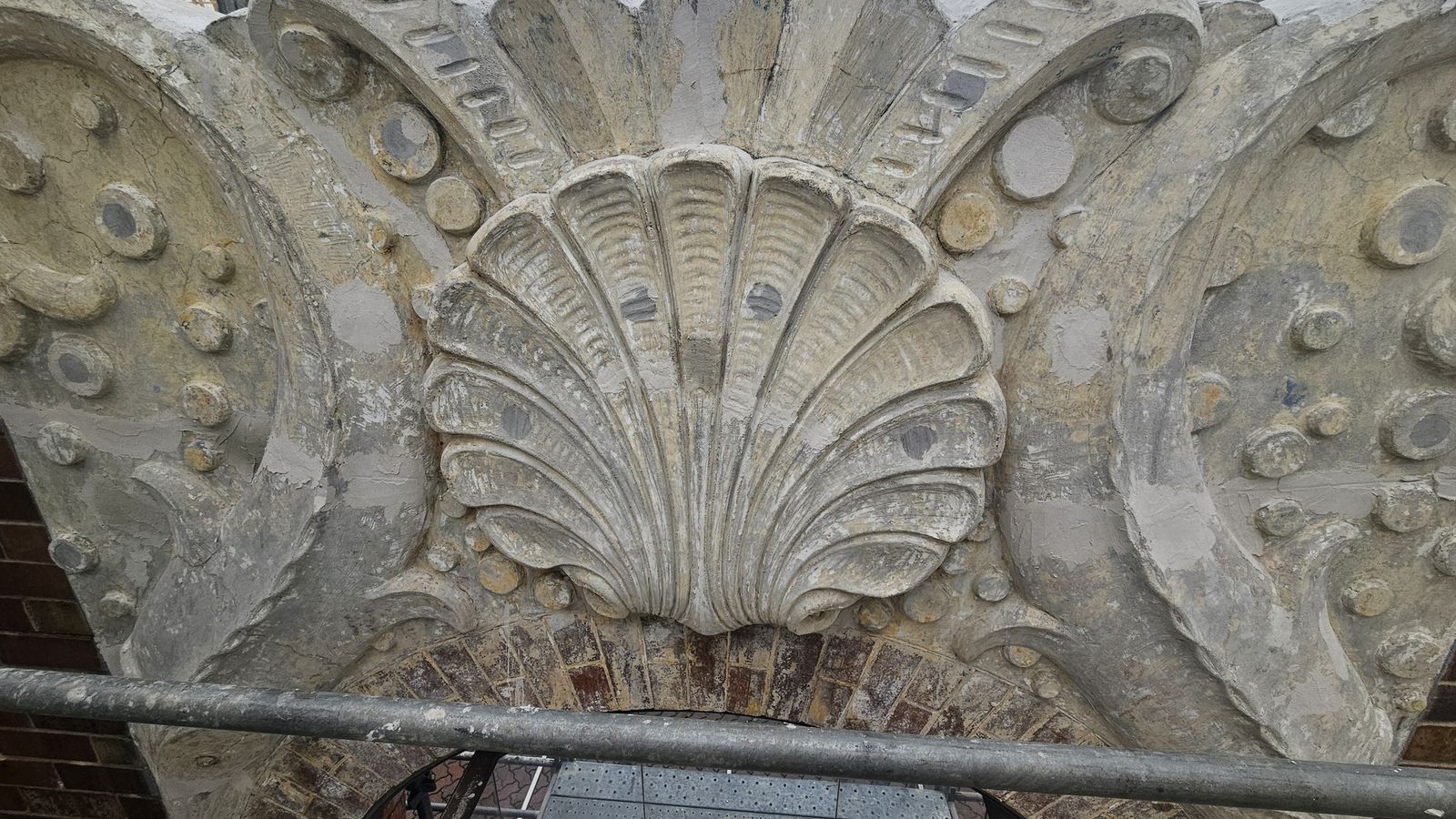
Carved stone repair on a heritage building is, in practice, work from what survives. A moulded sill, a string course, a capital or a run of rusticated jointing records the profile the carver originally cut, and the repair is measured, repaired or reinstated from that evidence — missing detail is matched to surviving work, never invented from scratch. Losing the crisp edge of carved, moulded or dressed stone is also one of the earliest signs that a stone facade needs a proper look, as our guide to recognising sandstone deterioration early. Stoneline Heritage assesses and repairs carved and moulded stone on heritage, period and listed buildings across Sydney and NSW.
What carved stone repair covers
On older buildings, carved stone is usually architectural rather than sculptural: window sills and lintels, string courses, copings, cornices, moulded surrounds, capitals, rusticated joints on ashlar panels and applied lettering all carry the profile of the original tooling. On a Gothic sandstone church facade the carved tracery and arch sit in the same conservation programme as the ashlar around them, reached from elevated platforms while the building stays in use. Every repair decision starts from the building itself, because the surviving detail is the specification.
What carved stone repair is not
It is not commissioning new sculpture, and not a carving course: the work is conservation of what exists, plus careful recreation of lost detail only where surviving evidence, historic documentation or a matching element elsewhere on the building supports it. It is also a different material from ornamental plaster — plaster mouldings follow the same evidence-first principle in a separate specialist trade. Where detail is genuinely lost, an honest repair says so: a new unit matched to the original profile is a replacement, recorded as one, not passed off as original fabric.
Recording the surviving evidence first
Before any tool touches the stone, the surviving detail is recorded — photographs of each element, measurements, and where a profile has partly survived, a sketch taken from it. Where a moulding is being reproduced, the sketch becomes a template: on a Victorian facade project in Balmain, the worn sill moulding was copied from a similar house so the street kept its character — the profile was sketched by hand, a galvanised steel template was cut to it and fixed to a plywood board, and the template was run along timber battens to form the new profile in place. See the Balmain facade restoration project for the full sequence. Sample areas and trial panels prove the method on the building before it is extended across a whole elevation.
Repair in place, indent, or replace — in that order
Conservation keeps original fabric wherever it can still perform. Where stone is losing grains but remains in place, consolidation can stabilise the surface; where part of a profile has decayed but the block is sound, a Dutchman indent lets a small piece of matching stone into the original — chosen by bed, colour and weathering character, dressed to the surrounding tooling and face-bedded. Replacing a whole unit is the conservative choice only when retention is no longer viable, and the new stone is matched so the masonry keeps both performance and character. Joints are finished in compatible lime mortar, because hard cement repairs trap moisture and salts and speed the decay around them. Our guide to when damaged sandstone can be repaired instead of replaced sets out the same retain, indent, replace logic, stone by stone.
Carved stone repair on listed and conservation-area buildings
Carved detail is often part of what makes a building significant, so work on it is more likely to attract controls. How the property is listed — a local heritage item, a contributory building in a conservation area, or an item on the State Heritage Register — and which council's rules apply both shape the pathway. Genuine repair that matches existing fabric is generally treated more simply than alteration, but written confirmation from the relevant authority before work begins is the only position worth relying on; a method statement, photographs and sample approvals support an application, they do not replace checking the address. This article is general information, not legal or planning advice.
What a carved stone repair quote should say
A quote for carved stone work should read element by element — sills, string courses, copings, indents — naming the condition observed and the method proposed for each, with trials and sample panels before the main work, how the matching stone will be selected, and how the finished work will be documented and photographed. Our heritage masonry restoration quote checklist sets out the headings to compare line by line. A single rate for carving, without an assessment of the surviving fabric, is not a scope.
Short answers
Can lost carving be guessed? No — missing detail is reinstated from surviving evidence, historic documentation or a matching profile elsewhere on the building; where none survives, the honest options are a sympathetic new unit, recorded as a replacement, or leaving the loss visible.
Is carved stone repair the same as ornamental plaster? No — different material and trade, though both work from surviving evidence rather than imagination.
When is replacing a carved unit justified? When the unit can no longer be retained — decay through the arris, structural loss, or damage that compromises the wall — and then only that unit, in matched stone.
Do you work on listed buildings? Yes — assessment-led, with the listing and the approval pathway confirmed in writing before work, across Sydney and NSW.
If carved or moulded stone on your building has lost detail, crumbled at the edges, or been patched in hard cement, send photographs of each element and the whole elevation through our sandstone and stone restoration service. We will come back with what we would recommend assessing on site and what needs confirming before a quote — request a site assessment or a quote today.