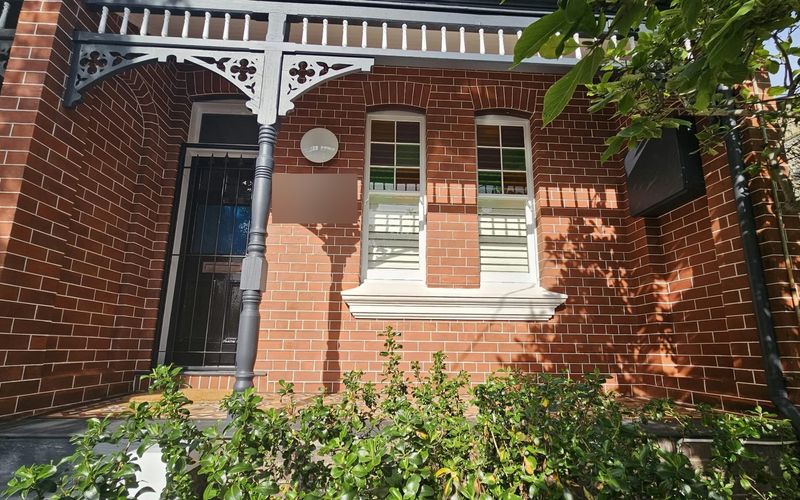
A heritage masonry maintenance checklist works best as a yearly habit: one deep look around every elevation, with a camera and a short written record of what the brick, stone and mortar look like now and what has changed since last year. On strata and institutional buildings the same check protects common-property fabric and gives the committee a paper trail. The point is to catch small defects while they are still minor repairs, before water, salt and movement have worked on them through another season.
Why once a year, and what a walk-around adds
Older masonry breathes and sheds moisture differently from modern construction, so it responds better to small, consistent care than to infrequent major works; heritage authorities' minimum standards treat ongoing maintenance and prompt repair of minor defects as the baseline for a heritage item. Sydney's climate — heavy rain, humidity and, near the harbour, salt-laden air — accelerates the moisture and salt cycles that damage older masonry. A yearly deep look, plus a quick walk-around a few times a year and after heavy rain, catches most problems while they are still minor. Our guide to maintaining a heritage or character property sets out the seasonal version of the same walk-around.
The yearly heritage masonry maintenance checklist
Start where water starts: water getting in through the roof, or being held against the walls, is behind a large share of masonry deterioration. Check gutters and downpipes are clear and directing water away, roof coverings and flashings intact, and ground-level drainage running freely after rain.
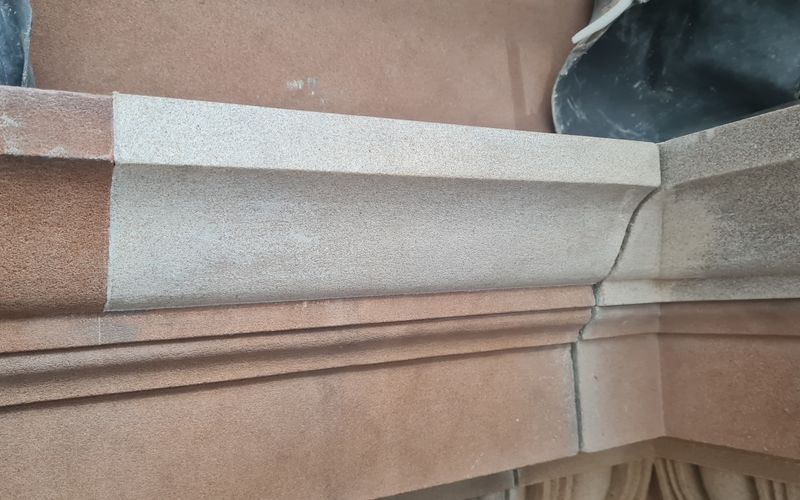
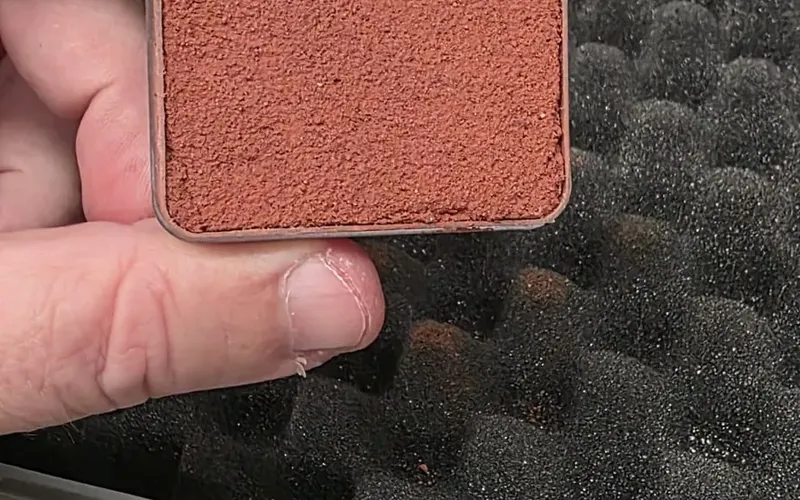
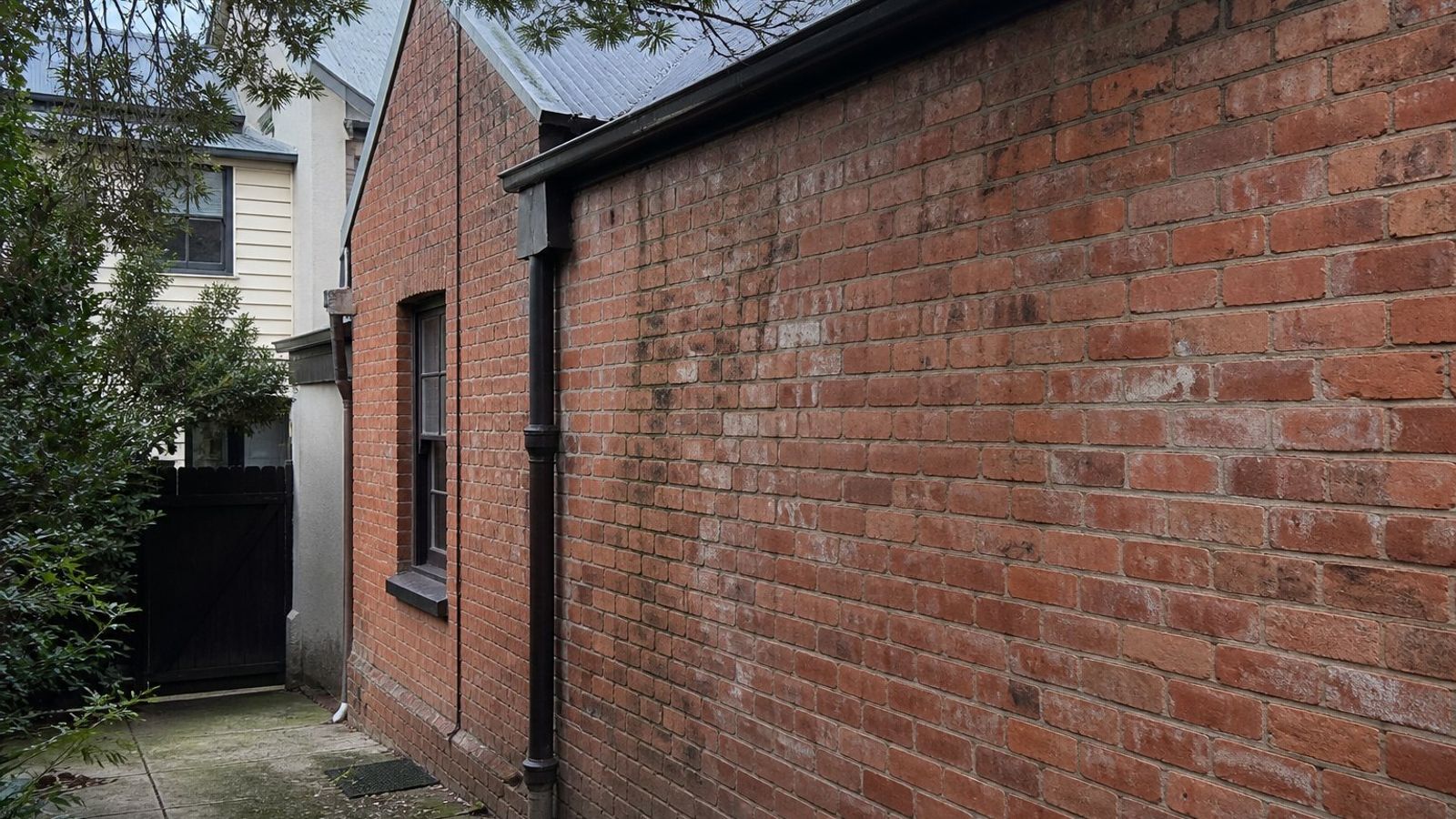
Then read each elevation. On the joints, look for gaps, crumbling and open or powdery mortar, and note previous cement repairs, which can trap moisture in the wall. On brick and sandstone faces, look for flaking, powdering, fretting or spalling — the early signs of deterioration our note on recognising sandstone deterioration early describes. White powder at the base of a wall can point to salt rather than dirt; our guide to understanding salt damage and rising damp separates salt, damp and efflorescence, which need different fixes.
Note cracks separately: new cracking, cracking that steps through the wall, or anything widened since last year is a different brief from open joints and may indicate movement or a failed lintel. Check overhead elements too: copings, spalled faces, unstable piers and chimneys can shed loose units, and anything loose comes first.
Finish at ground level and with the wall's history. Garden beds, mulch or paving raised against a wall are a common, often unnoticed cause of ongoing damp. Check that earlier repointing or render patches are still performing, and flag anything recurring in the same spot — a returning defect means the cause was never addressed. Flaking paint near ground level is usually the first sign of a problem behind the finish.
Photograph it, write it down, compare next year
The yearly record is what turns a walk-around into evidence: photograph each elevation from the same points and keep the notes, so next year's round is a comparison rather than a fresh opinion. Photographs can flag that something has changed; they cannot tell you why, and the why determines the repair.
When to call a heritage specialist
Some findings are prompts for a professional assessment, not things to watch: a damp patch that keeps returning, mortar soft enough to scrape out by hand, sandstone shedding surface material, cracks that step or widen, loose masonry overhead, or water still entering after gutters are cleared. A specialist inspection separates symptom from cause — fretted joints and staining are what you can see; a gutter, a coping or salts still moving may be the driver, and repairing the face while that cause stays active tends to fail again. Stoneline carries out assessment-led inspections across Sydney and NSW covering stone, brickwork and moisture.
Maintenance, repair and approvals on listed buildings
If the building is heritage-listed or in a conservation area, confirm how it is listed before work beyond routine maintenance, because the pathway differs by listing and council. Genuine like-for-like repair in compatible materials is generally treated differently from work that changes the building, but requirements vary, and written confirmation from the relevant authority before work begins is the only position worth relying on. This article is general information, not legal or planning advice.
On strata and institutional buildings
On most strata schemes the external fabric is common property, so the owners corporation — through the committee and strata manager — acts on what the inspection finds, and planning for maintenance beats reacting to a failure. Institutional buildings add a second reason to keep the yearly record: photographs, defect notes and repair history feed asset registers and reporting. Where work proceeds on an occupied building, access is planned, residents are told early, and the work is staged so the building stays in use.
Short answers
How often should the masonry be inspected? One full look at every elevation each year, a quick walk-around a few times a year, and another after heavy rain.
Does routine maintenance need council approval? Often not, but it depends on the listing, council and scope — confirm in writing with the relevant authority first.
Maintenance or repair? Maintenance keeps original fabric in good condition with compatible materials; repair addresses a defect that has appeared. The wrong material — dense cement mortar in a lime-mortar wall, say — can do more damage than the original defect.
Can the checks be done without a contractor? The walk-around, yes: clearing gutters, watching for new cracks or damp, keeping garden beds off walls. Repairs to stonework, mortar, render or drainage are a different matter.
Send photographs of each elevation, the property address and a short description of what changed through our facade restoration and renovation service. We will come back with a method we would recommend assessing on site, and what has to be confirmed before a quote. Request a site assessment or a quote today.