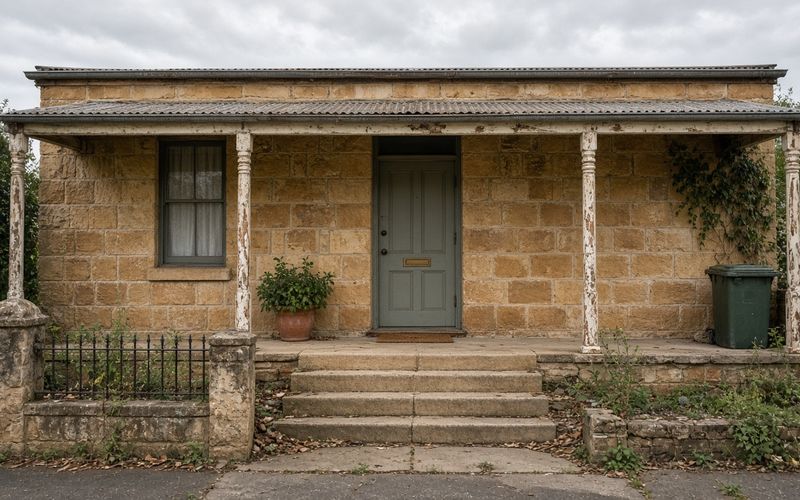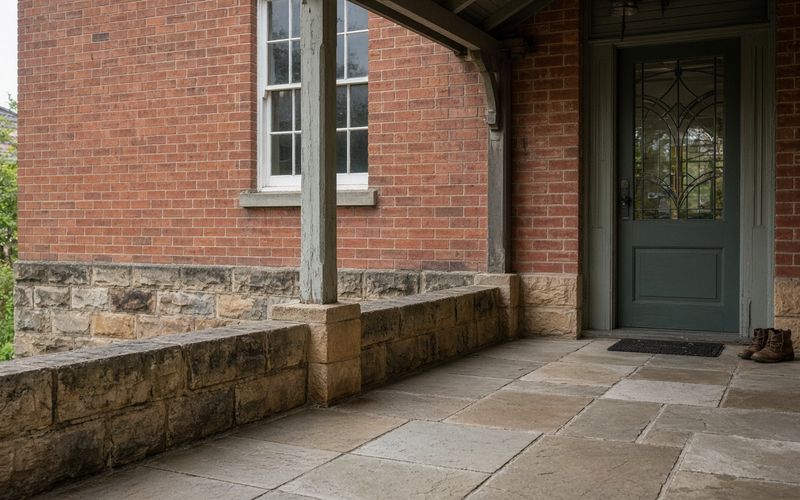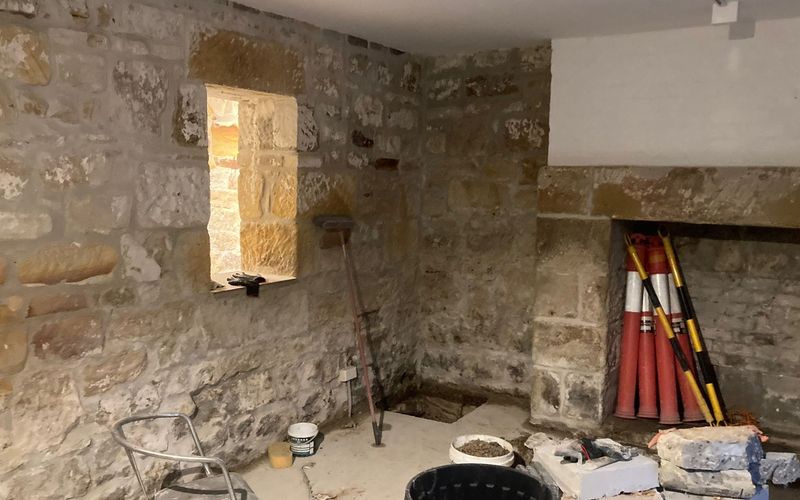
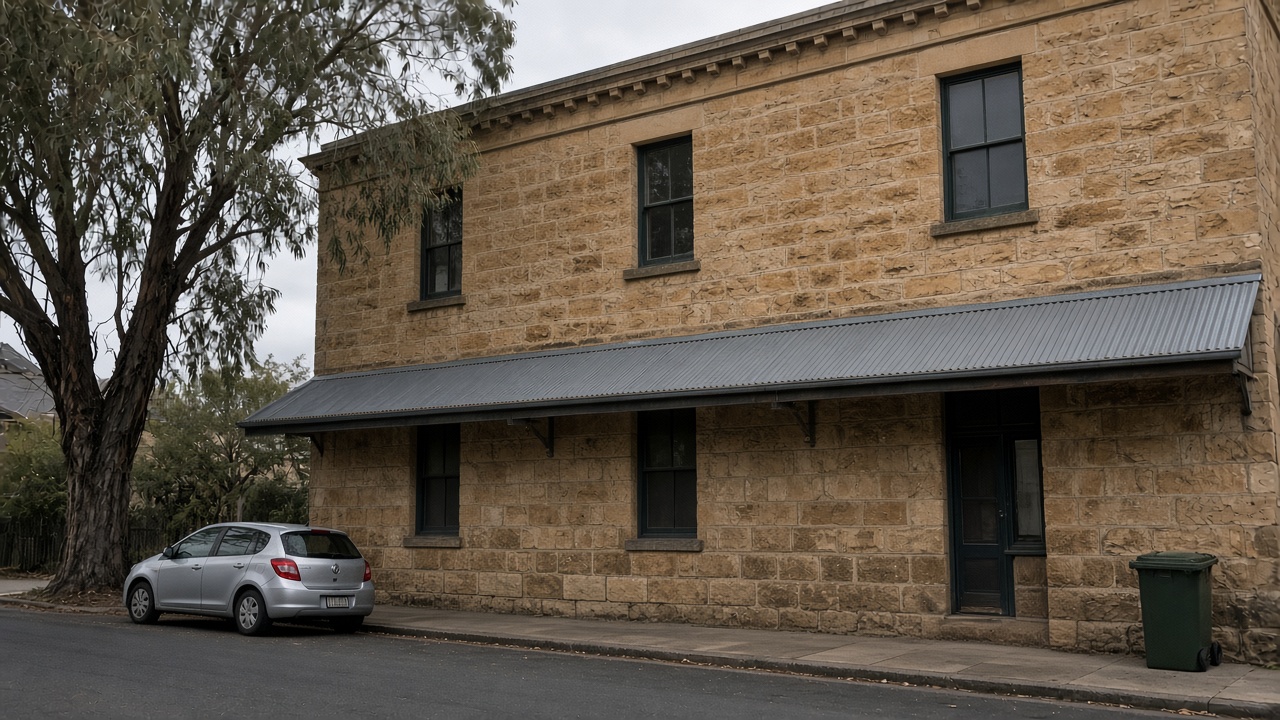
A stone mason in Sydney may cut and set new stone, repair historic sandstone, renew mortar joints, or advise that the wall needs an engineer before anyone lifts a chisel. Search results that promise “stone mason near me” answer logistics. They do not establish method. On heritage and older character buildings, the useful filter is whether the mason will diagnose fabric and cause — then retain sound stone wherever practical.
This supporting article sits under sandstone restoration and repair. It explains what heritage masonry work usually includes, how it differs from cleaning-only or polish-only quotes, and how to brief a local specialist. Service detail remains on sandstone and stone restoration. Related finish decisions: stone polishing and sandstone polishing Sydney. Cleaning trials: effective techniques for sandstone cleaning.
What a stone mason does on older Sydney buildings
Under one search phrase, owners often need any of:
Assessment and making-safe — loose sills, cracked cornices, overhead risk.
Sandstone and stone repair — cavities, indents (dutchman repairs), consolidation, unit replacement.
Lime mortar pointing on stone or mixed façades.
New cutting and carving to match profiles where replacement is required.
Coordination with cleaning, damp treatment, scaffolding and heritage paperwork.
Clarify which before comparing day rates. A paving hone is not a cornice indent. A brick repointing crew is not automatically a sandstone carver — though some teams cover both under assessment-led conservation.
Heritage craft versus general “stone care”
Retail stone care often means sealing, polishing and stain removal on sound modern surfaces. Heritage masonry asks different questions: What is significant? What can be retained? What moisture or salt process is active? Will this repair be softer or harder than the surrounding stone?
Prefer masons who talk about compatible strength and permeability, sample panels, and when *not* to intervene. Be wary of anyone who proposes dense cement patches, aggressive blasting or high-gloss polish as the default for weathered façades. Early defect language is covered in recognising sandstone deterioration; salt patterns in efflorescence guidance.
Sydney conditions that shape the brief
Local factors that change scope:
Coastal and harbour salts migrating through permeable sandstone.
Driving rain on exposed elevations and failed flashings.
Hard twentieth-century cement repairs over softer historic stone.
Narrow terraces, CBD fronts and occupied strata dominating access cost.
Heritage listings and conservation areas affecting visible change and documentation.
Mixed façades — sandstone with brick, render or later cladding.
Photograph elevations dry and after rain. Note gutters, overflows, ground levels against walls and earlier grey cement bands. That record turns “need a stone mason” into a scoped conversation.
Assessment-led hiring — questions worth asking
What has actually failed — surface soiling, joints, fretting faces, movement?
Which original stone can remain, and where is replacement proposed?
What mortar approach suits this stone and exposure?
Will you run cleaning or mortar trials and approve samples dry?
Who supervises on site, and what comparable heritage work can you show?
How are access, protection, waste and curing included?
When would you stop and call an engineer or damp specialist?
What NSW licence categories cover the work offered?
Check licence status through NSW contractor guidance. Licence and heritage craftsmanship answer different questions; both matter. Ask for during-work photographs from past jobs — they reveal protection and preparation better than glossy after shots alone.
When you need a mason — and when cleaning or polishing is enough
Call a mason / restoration team when stone is fretting, cracked through, loose, missing sections, or when joints have failed at scale; when indents or carved matching are required; when earlier cement patches are damaging surrounding fabric.
Start with cleaning assessment when the main issue is soiling or biological growth on otherwise sound stone — using trials, not assumptions. See the sandstone cleaning guide.
Consider honing/polishing only on suitable sound floors or selected paving after coatings and defects are understood — not as façade restoration. See stone polishing and sandstone polishing Sydney.
Many projects combine these. Sequence assessment → making-safe → cleaning trials → repairs → optional finish. Skipping to polish or paint often costs more later.
Quotes, costs and comparing stone masons in Sydney
There is no useful single price for “stone mason Sydney.” Cost moves with defect extent, matching stone, carving complexity, access, heritage documentation and related damp work. Compare:
Marked-up photographs of included areas.
Materials and sample process.
Access and protection line items.
Exclusions and variation rules.
Programme and curing allowances.
Handover records.
A lower total may omit scaffolding or indent stone. A higher total needs justification in method and retention of fabric — not only a heritage buzzword. Restoration does not guarantee resale uplift; it aims at a repair matched to the building.
Approvals and paperwork
Confirm whether the property is locally listed, in a conservation area, or on the State Heritage Register before visible stonework changes. Councils handle most local enquiries; State Heritage Register items have their own pathways and exemption conditions. A mason’s method statement, photographs and sample approvals help applications — they do not replace checking the address.
Strata schemes need clarity on common property, access notices and who authorises variations. Prioritise making-safe and weather paths when budgets are staged.
Working with Stoneline Heritage
Stoneline Heritage provides assessment-led sandstone restoration and stone repairs across Sydney and NSW — cleaning where appropriate, compatible lime repairs, consolidation, indents and replacement of severely deteriorated sections after diagnosis. We are not a retail polish shop; finish work appears only where the stone and brief support it.
To start, send wide and close photographs, the address, access limits and what you have noticed (including after rain if possible). Mention heritage status if known. That is enough to discuss the next assessment step without pretending a photo is a fixed quote.
For the wider repair landscape, see sandstone restoration and repair and the live sandstone cleaning pillar. Finish-specific questions continue in the polishing guides linked above.
Craft skills you should hear named in a heritage brief
A useful heritage stone conversation often includes some of these terms — not as jargon for its own sake, but as evidence the team knows the work:
Indenting / dutchman repair — cutting out decayed stone and bedding a matching piece.
Tooling and finish — matching punched, drafted or rubbed surfaces rather than leaving a machine-flat patch.
Arris protection — preserving sharp edges while raking joints or removing cement.
Consolidation — strengthening weakened but retainable stone where appropriate.
Compatible lime mortars — strength and permeability matched to the fabric, not the hardest bag on the shelf.
If a quote only says “fix stone / polish / seal” with no defect map, ask for more detail. Conversely, a mason who cannot explain these options in plain language may still be learning on your façade.
Structural questions versus craft repairs
Cracks that step through stone, bulging panels, spreading arches or loose overhead cornices can be structural. A stone mason may make-safe and advise, but an engineer may need to specify restraint or rebuilding before cosmetic matching. Keep people clear of apparently unstable areas. Repointing or polishing cannot straighten a moving wall.
Chimneys, gate piers and freestanding garden walls deserve the same caution: local fretting may be craft repair; lean and separation may not.
Working alongside cleaning and damp specialists
Heritage projects often need more than one skill. Cleaning specialists run trials; damp specialists investigate salts; masons execute indents and pointing; scaffolders provide access. The client (or head contractor) should name who leads diagnosis. Stoneline’s sandstone service is built around that assessment-led order so polish and seal are not sold ahead of repair.
When comparing teams, ask who subcontracts what. A single point of contact helps — provided they still show the people who will cut stone on site.
Documentation a good mason leaves behind
At handover, ask for:
Photographs before, during and after.
Material details (stone source, mortar mix outline, any consolidants or treatments).
Sample panel locations and approved finish notes.
Outstanding items and monitoring advice.
Care instructions that avoid dense DIY sealers as a default.
Keep these with the building’s heritage and maintenance records. The next owner or strata committee should not inherit a shiny wall and no history.
Training, supervision and who is actually on the tools
Ask who will cut and bed stone day to day, and who signs off samples. On larger programmes a company may manage access while a specialist mason executes indents. That arrangement can work if responsibilities are written down. It fails when the person who sold “heritage restoration” never visits the elevation.
For apprentices and less experienced labour, confirm supervision ratios on delicate carving or soft-stone raking. Soft sandstone arrises are easy to round permanently with an angle grinder in careless hands. Prefer hand preparation where fabric demands it, with mechanical aids only under clear controls.
Frequently asked questions
What does a stone mason do in Sydney?
Cut, set and repair stone — including heritage sandstone repairs, pointing, indents and replacement — ideally after assessing condition and cause.
Is a stone mason the same as a bricklayer?
Related trades with overlapping mortar skills; sandstone carving, indenting and soft-stone conservation are specialised. Ask about comparable stone projects, not only brick.
Do I need a stone mason for sandstone cleaning?
Not always. Sound stone with ordinary soiling may need a careful cleaning programme. Fretting, failed joints or missing sections need masonry repair capacity.
How do I choose a heritage stone mason?
Look for assessment-led method, sample panels, compatible materials, relevant examples, clear access pricing and willingness to stop when the wall needs something else.
Can I get a firm price from photos alone?
Photos help triage. On-site assessment and trials are often still required before a reliable sandstone repair scope.
Where should I start?
Photos + address + symptoms → sandstone restoration service enquiry. Use cleaning and polishing guides when those are the real question.