Render and plaster façade repairs on older Sydney buildings are rarely a single bag of grey cement skimmed over cracks. Historic lime renders, stucco mouldings, roughcast and later cementitious coats behave differently. The useful question is what has failed — adhesion, mix compatibility, movement, moisture — and which repair will protect the wall without trapping damp behind a hard shell.
This supporting /news guide sits under façade restoration and repairs. It covers assessment, compatible materials, hollow render, decorative plaster and how repairs relate to cleaning and broader façade work. Crack-focused decisions continue in fixing rendering cracks on heritage façades. Cleaning sequence: façade cleaning. Repair versus wholesale replacement: façade replacement vs repair.
What “render repair” covers on heritage and older façades
Owners and strata often group several needs under one phrase:
Crack repair — hairline to structural; causes differ (see the crack subpage).
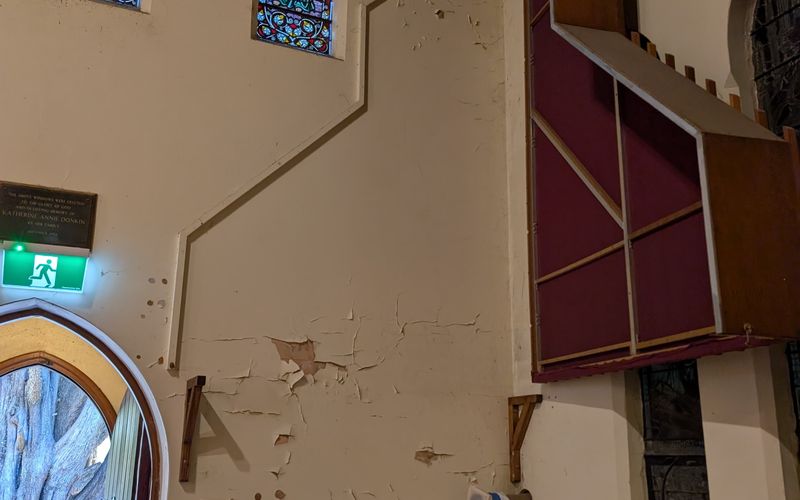
Hollow / debonded areas — sounding dull; may need local cut-out and patch.
Failed coatings — acrylics peeling from lime substrates.
Decorative plaster and stucco — cornices, quoins, string courses, mouldings.
Full bay renewal — where retention is no longer practical.
Compatibility correction — removing harmful hard patches that are damaging the wall.
Clarify which before comparing quotes. A “render fix” that only paints over cracks is not a repair.
Why older Sydney renders fail
Common drivers include:
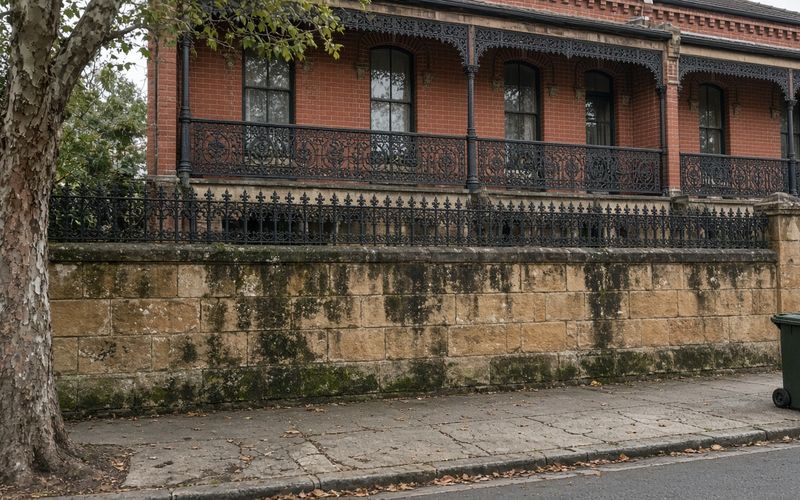
Moisture from open joints, failed flashings, overflows or rising damp.
Movement at junctions, openings and different materials.
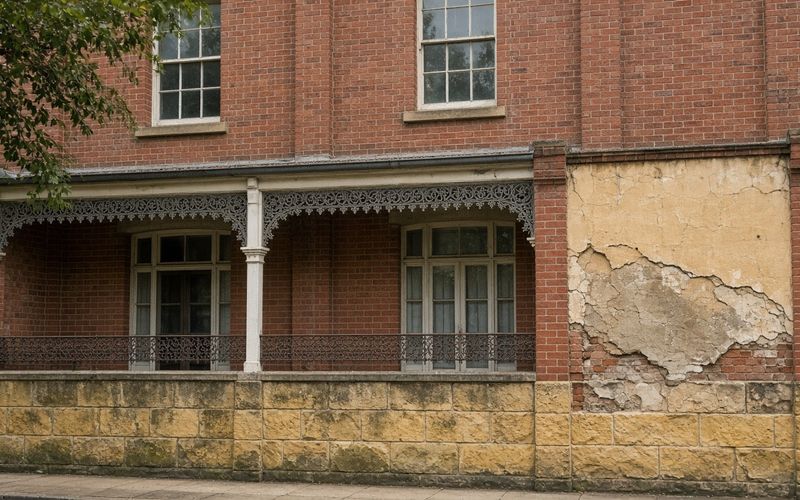
Hard cement patches on softer historic backgrounds.
Salt crystallisation behind dense coats.
Corrosion of metal lath or embedded fixings.
Impact damage and previous aggressive cleaning.
Thermal and moisture cycling on exposed elevations.
Photograph elevations dry and after rain. Tap-test hollow areas. Note previous grey cement patches beside softer original work — a frequent pattern on Inner West and Eastern Suburbs terraces.
Assessment before tools
A competent assessment typically records:
Build-up — lime, gauged, cement, polymer-modified; number of coats; finish texture.
Background — brick, stone, lath, previous repairs.
Defect map — cracks, hollows, stains, biological growth, failed paint.
Moisture and salts — active sources versus residual staining.
Significance — original decorative profiles versus later skim.
Access and occupation — scaffold, staging, strata notices.
Without that map, square-metre rates are guesses. SPAB-style caution against unnecessary renewal applies: retain sound historic render; repair what has failed.
Compatible materials — lime, gauged mixes and modern coats
Lime-based renders often suit older masonry because permeability and flexibility match traditional construction. “Lime” remains a family — non-hydraulic and hydraulic limes differ. Ask what evidence supports the proposed mix for *your* wall: binder, sand, strength, finish and curing.
Hard, dense cement repairs can look crisp while trapping moisture and concentrating stress — accelerating decay around the patch. Polymer-modified modern renders have their place on suitable backgrounds; they are not automatic upgrades for lime buildings. A bag labelled “heritage” is not a specification.
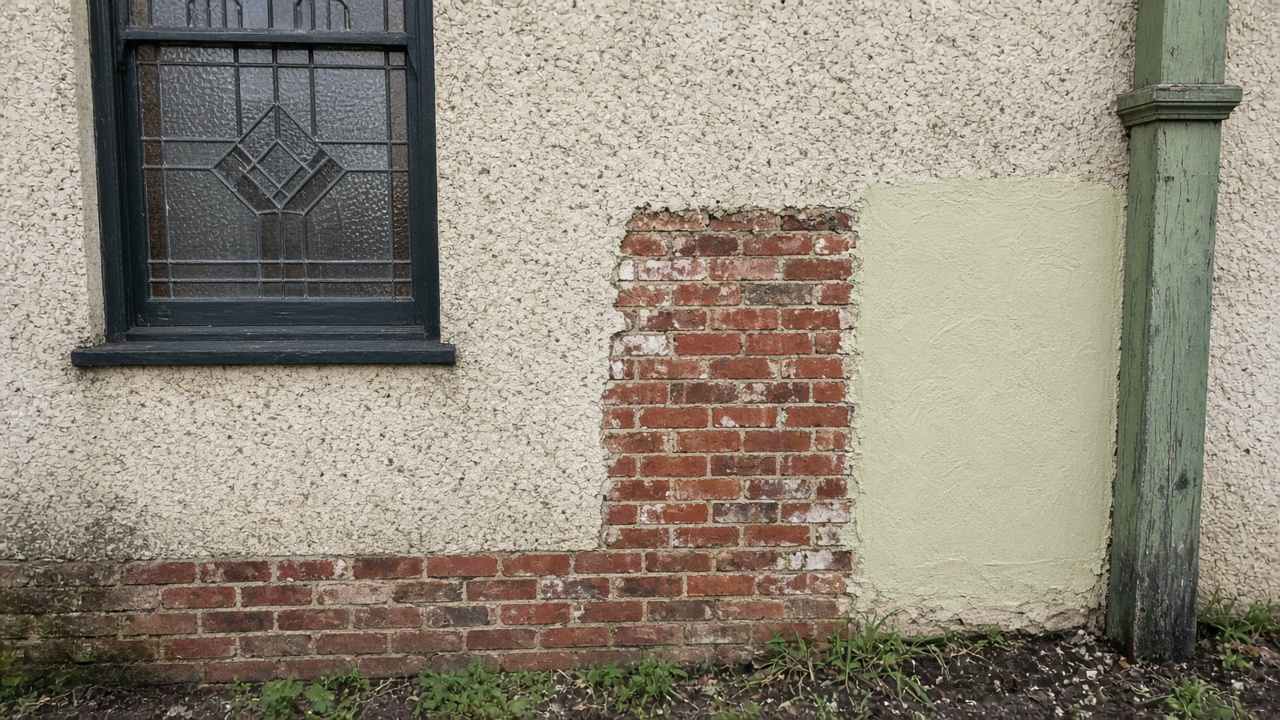
Match texture and colour with sample panels viewed dry beside original work. Bright, wide cement patches dominate façades that previously read as restrained.
Hollow render and how far to cut back
Hollow areas are often cut back to sound edges, the background prepared, and coats rebuilt to match thickness and finish. Cutting beyond the hollow into sound historic fabric “for neatness” can be excessive. Conversely, leaving barely attached sheets that will fail in the next storm is false economy. Agree edge rules and sample patches before the main elevation.
Metal lath corrosion may force larger openings. Budget contingencies for what sounding cannot reveal until the face is opened.
Decorative plaster, stucco and profiles
Cornices, brackets, vermiculated blocks and ruled ashlar lines are craft repairs, not skim-coat extras. Record profiles before removal. Use moulds or careful dubbing to reinstate lines that read from the street. Decorative work is priced separately from flat field patches — and should be. Our façade service includes plaster, stucco and decorative element restoration among core offerings.
Cracks: repair type follows cause
Not every crack is a render problem alone. Hairline shrinkage differs from stepped cracks through masonry or movement at a lintel. Fixing rendering cracks covers diagnosis in more depth. Rule of thumb: fill cosmetic cracks only after moisture and movement are understood; do not “flexi-seal” a structural symptom and walk away.
Coatings and paint — friend or trap
Breathable mineral paints often suit lime systems better than dense acrylics. Failed acrylic can hold moisture against soft render and background. Removal may be part of the repair brief. Do not assume power washing will lift coatings safely from fragile plaster. Coordinate cleaning trials with render repairs so wash water does not fill hollow bays.
Sequencing with cleaning and masonry
Typical sound order:
Assessment and making-safe.
Moisture path correction where practical.
Trials of clean and of render mix/finish.
Cut out and rebuild failed render; reinstate decorative work.
Compatible pointing of exposed masonry as required.
Final clean and coating only where specified.
Curing, protection and handover notes.
Cleaning an entire elevation before securing hollow render can lift more face than it brightens. See façade cleaning.
Cost factors for render and plaster repairs in Sydney
Cost moves with extent of hollow areas, decorative complexity, mix specification, access, occupation, and discoveries behind the face. Compare marked-up photographs, sample processes, exclusions and curing allowances — not only day rates. Staging suits strata budgets: weather-critical bays first, cosmetic evening-up later.
Heritage, strata and commercial constraints
Visible change to significant render and decorative plaster may need council pathways on listed or conservation-area properties. Strata needs clarity on common property and variations when hollow areas grow after opening-up. Commercial street fronts need pedestrian protection and sometimes after-hours work. Documentation — method, samples, before/during/after photos — helps everyone.
Maintenance after repair
Keep gutters clear. Watch new cracks after storms. Avoid sealing soft lime systems with dense DIY membranes. Soft brushing of biological growth beats aggressive blasting. Record mixes used so future patches can match.
Working with Stoneline Heritage
Stoneline Heritage undertakes assessment-led render, plaster and façade repairs across Sydney and NSW — retaining sound fabric, matching profiles, and using compatible materials after diagnosis. Send elevation and close photographs, note hollow-sounding areas and leaks, and ask for a method that includes samples — not only a start date.
For crack-specific guidance, continue to fix rendering cracks. For whether to renew a whole façade skin, see replacement versus repair.
Sample panels and curing — where many jobs quietly fail
Agree a sample that shows edge junction, texture and colour beside original work. View it dry. Rushing coats in hot wind or applying finish coats over under-cured dubbing leads to map cracking and early failure — then blamed on “bad lime.” Protection from sun and rain during cure is part of the price of a durable repair. Ask who returns to inspect after initial set and who owns defects in the defects-liability period.
Roughcast, pebble-dash and textured historic finishes
Many Federation and inter-war Sydney façades use textured finishes that are easy to lose under a smooth modern skim. Matching aggregate size, throw technique and colour is craft work. A flat acrylic texture roller is not a substitute. Photograph surviving original texture in raking light before any patching. Where texture has already been lost on earlier repairs, discuss whether to reinstate consistently on the bay or to limit new work to defective zones so the elevation does not become a patchwork of competing finishes.
Junctions: sills, parapets, dissimilar materials
Failures concentrate where render meets stone sills, brick string courses, timber, and metal flashings. Detail these junctions in the specification: drip edges, sealant only where appropriate, and compatible mortars at masonry interfaces. A beautiful field patch that ponds water on a sill will fail early. Coordinate with flashing and roofing trades when parapet render is open — render alone cannot replace a failed capping.
Internal damp symptoms versus external render failure
Peeling internal plaster near external wet walls often drives urgent “render” calls. Sometimes the external coat is only one part of rising damp, bridging, or condensation. Investigate moisture sources before committing to a full external renew. Conversely, sound internal finishes do not prove external adhesion. Tap-test and moisture meters (used with judgement) inform the brief; they do not replace opening-up where hollow areas are suspected.
Colour matching without “new house” brightness
Owners sometimes want the repaired bay to look brand new while the rest of the elevation stays weathered. That contrast can look worse than a slightly softer match that will even under weathering. Discuss expectations early. Mineral coatings can unify tone after repair; dense high-build paints can hide texture you paid to reinstate. Sample on the building, not only on a board in the yard.
Contractor questions that reveal method
Ask:
What is the existing build-up, and how do you know?
Where will you cut back, and what defines a sound edge?
What mix and finish are proposed, and can we see a sample on the wall?
How will decorative profiles be recorded and reinstated?
What moisture or movement issues must be fixed first?
How are access, protection and curing included?
What happens if hollow areas grow after opening-up?
Teams that answer only with a square-metre rate and a start date are selling coverage, not diagnosis.
Frequently asked questions
What is render repair on a heritage façade?
Diagnosing failed coats and backgrounds, then patching or renewing with compatible mixes while retaining sound historic fabric and profiles where practical.
Should I use cement render on an old lime building?
Often no as a default. Hard cement can trap moisture. Suitability depends on evidence from the wall.
Are cracks always fixed by filling?
No. Cause matters — movement and moisture may need other work. See fixing rendering cracks.
Can hollow render be patched or must the whole wall come off?
Local cut-out and rebuild is common where edges are sound. Full renewal is for when retention is no longer viable.
Is painting enough?
Paint is not a structural or adhesion repair. Failed bond needs render work first.
How do I start a quote?
Send photos, address, access notes and what you hear when tapping hollow areas. Expect assessment and samples before a firm scope.