Brick repairs Sydney searches are how owners and strata find capacity when joints open, bricks loosen or a façade starts taking water. Locality matters for site visits, access knowledge and knowing how Sydney weather and salts treat soft masonry. It does not, by itself, establish method. The useful filter is whether the contractor will diagnose the wall, specify compatible mortar, and stop when the defect is movement or damp rather than failed pointing.
This supporting article sits under our brick repointing services pillar. It absorbs the “near me” intent without a separate money page: how to brief a local mason, what Sydney-specific conditions change the scope, and how brick repair, repointing and pier work differ. Commercial service detail and quoting remain on brick repairs and repointing in Sydney.
What “brick repairs Sydney” usually covers
Under one search phrase, people often mean any of:
Repointing / brick pointing Sydney — renewing failed joints with a compatible mix.
Unit replacement — cutting out spalled or damaged bricks and matching replacements.
Loose brick and pier repairs — resetting units or addressing local piers and chimneys (chimneys and piers can need separate structural judgement).
Broader brick restoration — staged programmes on heritage or character façades.
Clarify which of these you need before comparing day rates. A low square-metre pointing price is not a quote for pier rebuilding.
Sydney conditions that change the repair
Sydney and NSW older brickwork faces:
Coastal and harbour salts that migrate through permeable fabric.
Driving rain on exposed western and southern elevations.
Hard twentieth-century cement pointing over nineteenth-century soft brick.
Narrow terraces, occupied strata and street scaffolding that dominate access cost.
Heritage listings and conservation areas that affect visible change and documentation.
Photograph elevations dry and after rain. Note gutters, overflows, ground levels against walls, and earlier grey cement bands. If white powder is prominent, read efflorescence on brick and sandstone before assuming a colour-match problem.
Assessment-led work versus “near me” theatre
Queries such as brickwork repairs near me and brickwork repairs service near me are legitimate ways to find someone who can attend. Prefer contractors who:
Attend or review clear photos and describe the defect in plain language.
Separate joint failure from cracks that may be structural — see fixing cracks in brick walls.
Name a mortar approach suited to soft historic brick — see brickwork mortar and lime mortar repointing.
Approve a sample panel dry, beside original work.
Price access, preparation, protection and curing — not only face metres.
Distinguish ordinary pointing from decorative tuckpointing.
Licensing, insurance and heritage experience matter. So does the willingness to decline a pointing-only brief when the wall needs something else.
Diagnosis before quote — a short Sydney checklist
Before you accept a brick repairs Sydney figure, ask for a one-paragraph diagnosis:
What failed — joints, units, pier, or something else?
Is moisture or salt part of the cause?
Is there active movement that pointing will not fix?
What mortar approach suits this brick?
What access and sample process are included?
If the answer is only a square-metre rate, you do not yet have a scope. Use our brick repointing services pillar for method context, then request assessment through brick repairs and repointing. Local attendance helps logistics; diagnosis protects the wall — and your budget.
Repointing bricks Sydney — when joints are the real job
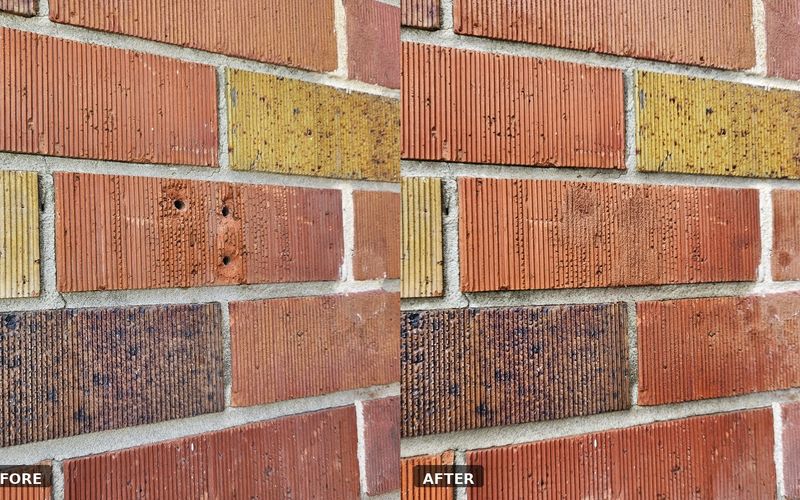
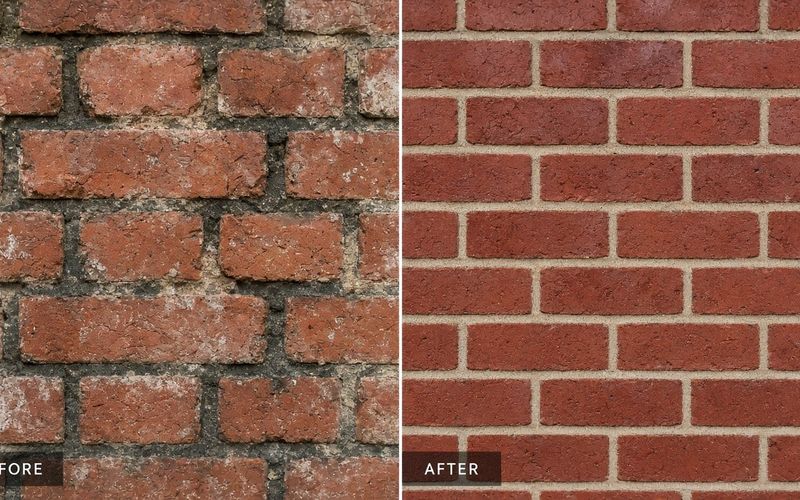
When mortar has recessed, powdered or fallen away and bricks remain sound, compatible repointing is usually the right line of work. Retain sound joints; rake failed ones to a suitable depth; place a mix that matches strength and permeability; finish to the agreed profile without smearing faces.
That is the core of professional brick pointing and repointing — and the bulk of many Sydney terrace programmes. Cost still moves with extent, hard-cement removal, access and matching. Compare scopes, not headline rates.
Brick pier repairs and other local special cases
Brick pier repairs Sydney and chimney brickwork attract their own search volume because failure there feels urgent. Piers and stacks can shed loose units onto paths. Make-safe and exclusion come first. Then ask whether the issue is failed pointing, unit decay, corrosion of embedded metal, or structural inadequacy. Mortar alone does not correct an unstable pier.
Street-front terraces often combine pointing, local brick replacement and drainage corrections in one staged programme. Agree priorities if the full elevation cannot run at once.
How to brief a Sydney mason in one email
Send:
Suburb and access notes (lane, scaffolding limits, occupied flats).
Full elevation photo plus close-ups of defects.
Dry and after-rain shots if possible.
Whether the building is heritage-listed or in a conservation area (if known).
What you have already tried (sealers, cement patches, DIY).
Your question: diagnosis and sample-led method, not only a start date.
That package lets a serious contractor decide whether a site visit is needed and whether other specialists should be involved early.
What drives cost for brick repairs in Sydney
There is no honest single rate for every wall. Drivers include:
Extent — selected joints, one elevation, whole building; how area is measured.
Condition — hard pointing removal, brick matching, concealed defects.
Mortar and finish — samples, lime specification, tuckpointing.
Access — scaffolding, traffic control, narrow sites, height.
Programme — occupied premises, strata approvals, weather windows.
Protection and completion — adjoining surfaces, waste, curing visits.
A cheap “near me” figure that omits access is not cheaper once the true scope appears. For a fuller cost discussion tied to mortar choices, use the lime mortar repointing cost guide.
DIY in Sydney — when it helps and when it does not
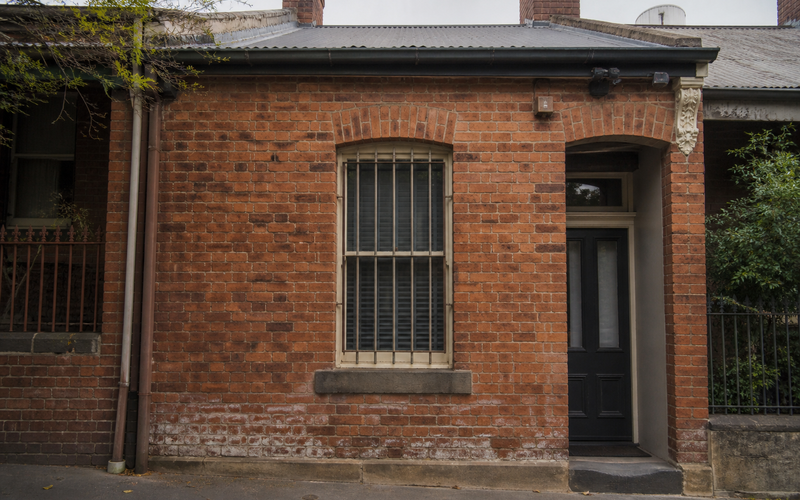
Small, low, accessible panels of soft lime pointing can be maintained carefully by a skilled owner. Sydney street fronts, hard cement removal, decorative tuckpointing, pier work and anything above public access usually belong with professionals. A failed DIY cement band on a soft Federation façade is a common reason later programmes cost more.
Working with Stoneline Heritage
Stoneline Heritage provides assessment-led brick repairs, mortar replacement, repointing and tuckpointing for heritage and older buildings across Sydney and NSW. We match mortars to the fabric, agree samples, and treat locality as logistics — not as a substitute for method. Contact us with photographs and access notes when you want a scope aimed at the actual defect.
Suburbs, exposure and why one Sydney rate never fits
Harbour-edge and coastal suburbs often see more salt and wind-driven rain. Inner-west terraces may face narrower access and shared scaffolding logistics. Hills districts add height and different brick stocks. None of this requires separate marketing pages; it does require the person quoting to look at *your* elevation rather than paste a city-wide square-metre rate.
Ask whether the quote assumes scaffold, boom, or ground-only access. Street permits and traffic control can dominate small pointing jobs on busy roads. Those line items are not optional extras invented to pad invoices — they are how safe work happens in dense Sydney streets.
Heritage listings, conservation areas and visible brickwork
If the property is heritage-listed or in a conservation area, confirm whether the proposed brick repairs need approval or only notification. Method statements, mortar specifications and before/after photo sets often satisfy conservation officers better than vague “match existing” notes. Compatible lime-based repairs are generally easier to argue than hard cement re-facing.
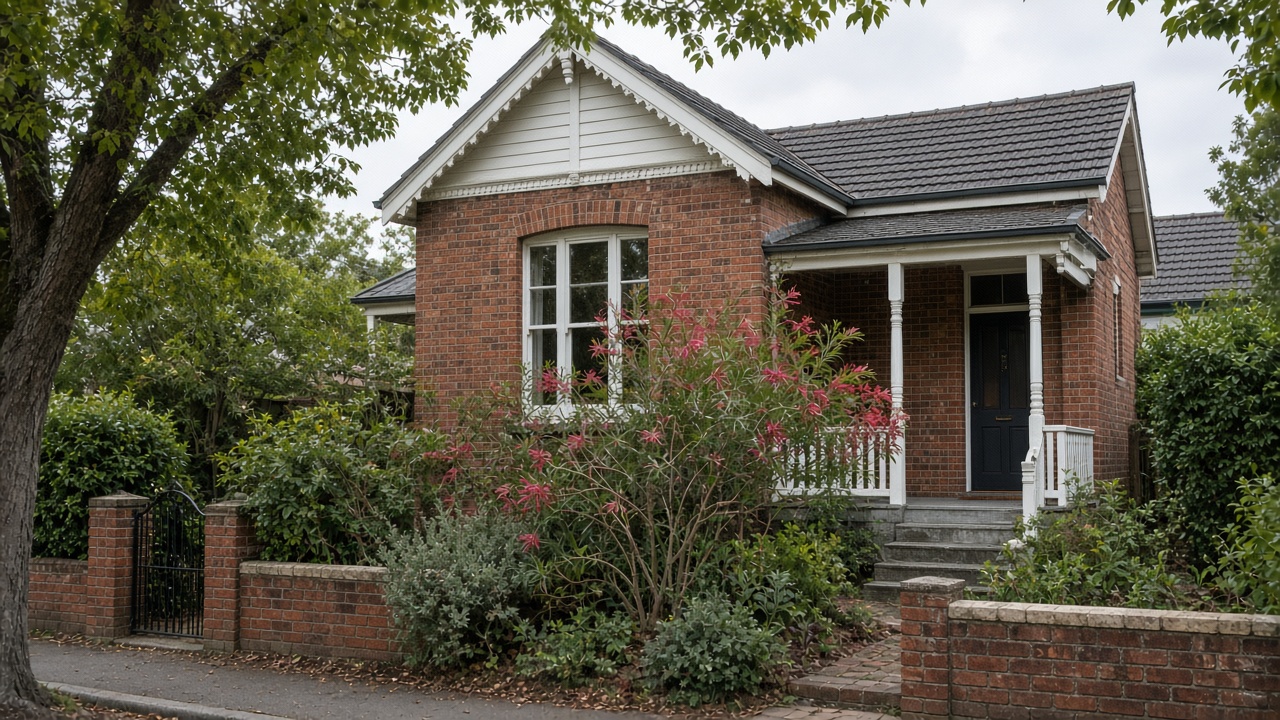
Character buildings that are not formally listed still deserve the same material care: soft brick does not become tougher because the LEP map is blank.
Coordinating with other trades
Brick repairs often sit beside roof plumbing, flashing renewal, joinery and painting. Sequence matters. Pointing a wall that will immediately be soaked by a failed gutter is wasted money. Likewise, painting soft brick with dense coatings after careful lime pointing can undo the moisture logic of the repair.
A main contractor or strata manager who coordinates those interfaces saves rework. Provide the mason’s sample-approved mortar notes to anyone specifying coatings later.
Red flags when comparing “brick repairs near me” quotes
Be cautious if a quote:
prices only “per metre of crack” with no method
insists on sealing the entire façade as the first step
refuses a sample panel on a heritage-looking elevation
treats tuckpointing as ordinary joint fill
cannot explain lime versus cement choice for soft brick
requires full payment before assessment
Good local contractors explain exclusions. Urgency selling without photos or site logic is not the same as making-safe advice.
Aftercare for Sydney weather
Inspect after the first heavy rain following handover. Check that gutters discharge clear of the wall. Avoid high-pressure washing of soft lime joints. If a small area fails early, report it with photos — early touch-up is cheaper than waiting for scaffold to return years later for a whole bay.
Linking the local page to the rest of the brick cluster
Readers who arrive on brick repairs Sydney often need a deeper dive next: what brick repair involves, when cracks mean more than pointing, how mortar compatibility works, or the pillar on professional brick repointing. Use those guides for method; use the service page when you are ready for assessment and quoting. That split keeps /news educational and /services commercial — which is how the cluster is meant to work.
Frequently asked questions
Who should I call for brick repairs in Sydney?
A mason or restoration contractor who will assess joints, bricks and moisture, specify compatible mortar, and refer structural issues when needed — not only the closest available labourer.
Is “brick repairs Sydney” the same as repointing?
Repointing is one common form of brick repair. Unit replacement, pier works and movement-related cracks are others.
Do I need someone “near me”?
Local attendance helps. Compatible materials and honest diagnosis matter more than postcode proximity alone.
Can you match Federation or Victorian brickwork?
Matching depends on available units, mortar samples and joint profile. Sample panels judged dry are the control — not a catalogue photo.
What should a quote include?
Defect description, mortar approach, sample process, measured extents, access, protection, exclusions and what happens if hidden defects appear.